
Before embarking on the journey of creating your outdoor kitchen, it’s essential to take a step back and assess your home and landscape design. This initial evaluation will serve as the foundation for your project, ensuring that your outdoor kitchen harmonizes with your existing environment. Begin by examining the architectural style of your home.
Is it modern, traditional, or perhaps rustic? Understanding these elements will guide you in making design choices that enhance rather than clash with your home’s aesthetic. Next, consider the layout of your landscape.
Take note of the existing features such as trees, shrubs, and pathways. These elements can significantly influence the placement and design of your outdoor kitchen. For instance, if you have a beautiful view from a particular angle, you might want to position your kitchen to take advantage of that sightline.
Additionally, think about how the outdoor kitchen will interact with other areas of your yard, such as dining spaces or gardens. This comprehensive assessment will help you create a cohesive outdoor living area that feels like an extension of your home.
Key Takeaways
- Assess the functionality and space available in your home and landscape for an outdoor kitchen
- Choose materials and colors that match the style and architecture of your home
- Consider the layout and flow of your outdoor kitchen to ensure easy access and functionality
- Incorporate design elements from your home and landscape to create a cohesive look
- Coordinate with existing outdoor features such as patios, decks, and landscaping for a seamless integration
- Add personal touches and accents to make your outdoor kitchen feel like an extension of your home
- Seek professional design assistance if needed to ensure a well-planned and executed outdoor kitchen
- Regular maintenance and updates are essential to keep your outdoor kitchen looking and functioning its best
Choose Materials and Colors that Complement Your Home
Once you have a clear understanding of your home and landscape, the next step is to choose materials and colors that complement your property. The materials you select for your outdoor kitchen should not only be durable but also reflect the style of your home. For example, if you live in a contemporary house with clean lines, stainless steel appliances and sleek stone countertops may be ideal choices.
Conversely, if your home has a more traditional feel, you might opt for brick or wood finishes that evoke warmth and charm. Color is another critical aspect to consider. The hues you choose should harmonize with both your home’s exterior and the surrounding landscape.
Earthy tones like browns and greens can create a seamless transition between your kitchen and garden, while brighter colors can add a pop of personality. When selecting colors, think about how they will look in different lighting conditions throughout the day. A well-thought-out color palette will not only enhance the beauty of your outdoor kitchen but also ensure it feels like a natural part of your home.
Consider the Layout and Flow of Your Outdoor Kitchen
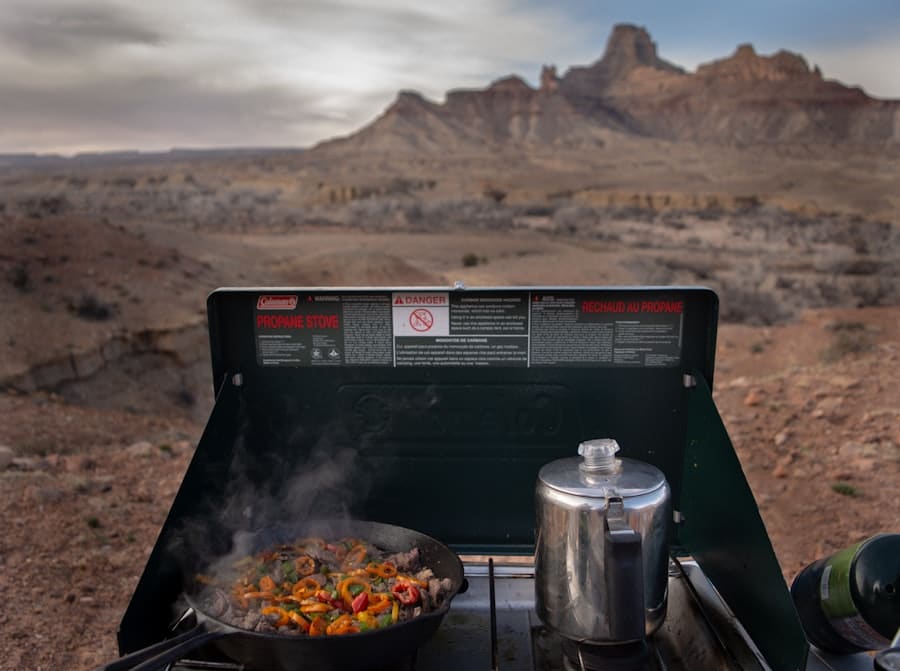
The layout and flow of your outdoor kitchen are crucial for functionality and enjoyment. Start by envisioning how you plan to use the space. Will it be primarily for cooking, entertaining, or both?
This will help you determine the necessary components, such as grills, sinks, and seating areas. A well-designed layout should facilitate easy movement between these elements, allowing you to cook and entertain without feeling cramped or hindered. When planning the flow, consider the proximity to your indoor kitchen.
Ideally, you want to create a seamless transition between indoor and outdoor cooking spaces. This might involve placing your outdoor kitchen close to an entry point or incorporating features like pass-through windows. Additionally, think about how guests will navigate the area.
Providing ample space for movement will enhance the overall experience, making it easy for friends and family to gather around while you prepare meals.
Incorporate Design Elements from Your Home and Landscape
To create a truly cohesive outdoor kitchen, it’s essential to incorporate design elements from both your home and landscape. This could mean mirroring architectural details such as window styles or rooflines in your outdoor kitchen design. For instance, if your home features arched windows, consider adding similar arches to your outdoor kitchen’s structure or pergola.
These small details can create a sense of unity between the two spaces. In addition to architectural elements, think about incorporating landscaping features that complement your outdoor kitchen. This could include planting herbs or vegetables nearby for easy access while cooking or using similar stonework in both your patio and kitchen surfaces.
By blending these elements together, you’ll create an outdoor kitchen that feels intentional and thoughtfully designed, enhancing the overall appeal of your property.
Coordinate with Existing Outdoor Features
As you design your outdoor kitchen, it’s important to coordinate with existing outdoor features to create a harmonious environment. Take stock of what you already have in your yard—perhaps a pool, fire pit, or garden—and think about how your new kitchen can enhance these areas. For example, if you have a pool nearby, consider adding a bar area where guests can enjoy refreshments while lounging by the water.
Additionally, think about how your outdoor kitchen can improve functionality in relation to these features. If you have a dining area adjacent to your kitchen, ensure that there is a clear path between them for serving food and drinks. By coordinating with existing elements in your yard, you’ll create a more integrated outdoor space that encourages relaxation and socializing.
Add Personal Touches and Accents

Adding Personal Touches
Don’t hesitate to add personal touches and accents that make the space uniquely yours. This could be anything from decorative tiles that showcase your favorite colors to custom-built furniture that fits your specific needs. Consider incorporating artwork or sculptures that resonate with you—these elements can serve as conversation starters while adding character to the space.
Lighting for Ambiance and Functionality
Lighting is another area where personal touches can shine. String lights or lanterns can create a warm ambiance for evening gatherings, while task lighting ensures that cooking remains safe and efficient after dark. Think about how you want to use the space at different times of day and choose lighting options that enhance both functionality and aesthetics.
Creating an Inviting Space
By infusing your personality into the design, you’ll create an outdoor kitchen that feels inviting and truly reflects who you are. This is a space where you’ll want to spend time with family and friends, so make it your own and enjoy the experience.
Seek Professional Design Assistance if Needed
While many homeowners enjoy taking on DIY projects, there are times when seeking professional design assistance can make all the difference in achieving your vision for an outdoor kitchen. If you find yourself overwhelmed by choices or unsure about how to best utilize your space, consulting with a landscape architect or designer can provide valuable insights. These professionals bring expertise in creating functional layouts and selecting materials that align with your style.
Additionally, professionals can help navigate any zoning regulations or permits required for building an outdoor kitchen. They can also recommend reliable contractors who specialize in outdoor construction, ensuring that the project is completed efficiently and to high standards. Investing in professional assistance can save you time and stress while ultimately leading to a more polished final result.
Regular Maintenance and Updates
Once your outdoor kitchen is complete, regular maintenance is key to keeping it looking its best and functioning well over time. Depending on the materials used, this may involve routine cleaning of surfaces, checking for wear on appliances, or ensuring that plumbing systems remain clear and functional. Establishing a maintenance schedule will help prevent minor issues from becoming major repairs down the line.
In addition to maintenance, consider making updates as needed to keep your outdoor kitchen fresh and inviting. This could involve repainting surfaces, replacing worn-out furniture, or even adding new features like an outdoor refrigerator or fire pit as your needs change over time. By staying proactive about maintenance and updates, you’ll ensure that your outdoor kitchen remains a beloved gathering place for years to come.
Creating an outdoor kitchen is an exciting endeavor that enhances both your home’s value and your lifestyle. By carefully assessing your space, choosing complementary materials and colors, considering layout and flow, incorporating design elements from your home and landscape, coordinating with existing features, adding personal touches, seeking professional help when necessary, and committing to regular maintenance, you’ll craft an inviting outdoor space that reflects your unique style while providing endless opportunities for enjoyment with family and friends.
If you are looking to ensure that your outdoor kitchen complements the overall aesthetic of your home and landscaping, you may want to consider hiring a professional contractor to help with the design and installation. Better Home Contractor offers services in various locations, including Oklahoma City, Oklahoma, Mount Pleasant, South Carolina, and Las Vegas, Nevada. Their team of experts can work with you to create a cohesive outdoor living space that seamlessly blends with your home and outdoor surroundings. Check out their website for more information on how they can help you achieve the outdoor kitchen of your dreams. Click here to learn more.
FAQs
What are some ways to ensure that my outdoor kitchen complements the overall aesthetic of my home and landscaping?
Some ways to ensure that your outdoor kitchen complements the overall aesthetic of your home and landscaping include choosing materials and colors that match the existing design, incorporating similar architectural elements, and considering the layout and flow of the outdoor space.
What materials and colors should I consider for my outdoor kitchen to ensure it complements the overall aesthetic of my home and landscaping?
When choosing materials and colors for your outdoor kitchen, consider using materials that are similar to those used in your home’s exterior and landscaping. This could include matching the color of your home’s siding or using stone or brick that complements the existing landscaping.
How can I incorporate architectural elements into my outdoor kitchen to ensure it complements the overall aesthetic of my home and landscaping?
Incorporating architectural elements such as arches, columns, or decorative trim that match the style of your home can help ensure that your outdoor kitchen complements the overall aesthetic of your home and landscaping. This could also include matching the roofline or using similar outdoor lighting fixtures.
What should I consider in terms of layout and flow when designing my outdoor kitchen to ensure it complements the overall aesthetic of my home and landscaping?
Consider the layout and flow of your outdoor space when designing your outdoor kitchen to ensure it complements the overall aesthetic of your home and landscaping. This could include creating a seamless transition from the indoor to outdoor space, as well as considering the placement of the outdoor kitchen in relation to existing landscaping features.