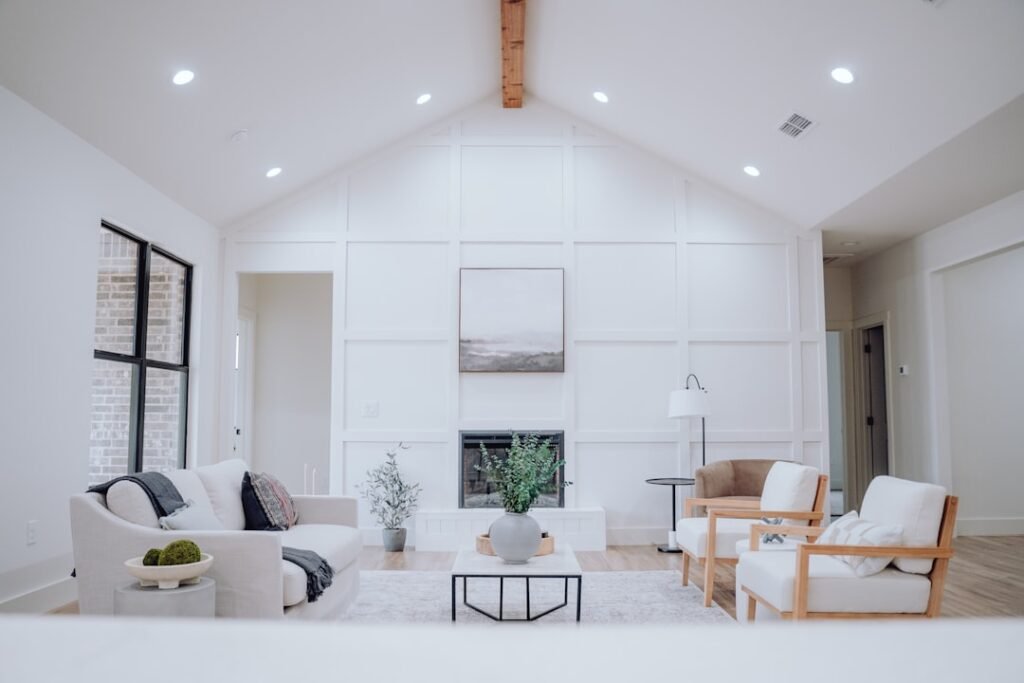
When embarking on the journey of building your dream home, one of the most critical steps is selecting the right custom home builder. This decision can significantly impact not only the quality of your home but also your overall experience throughout the construction process. To make an informed choice, you must evaluate a builder’s portfolio and past projects meticulously.
A builder’s portfolio serves as a visual representation of their capabilities, showcasing their design philosophy, craftsmanship, and the range of homes they have constructed. By examining this portfolio, you can gain insights into their style and whether it aligns with your vision. As you delve into a builder’s past projects, consider the variety of homes they have built.
Are they primarily focused on modern designs, or do they also have experience with traditional styles? This exploration will help you determine if the builder can cater to your specific preferences. Additionally, reviewing their past work allows you to assess their ability to handle different challenges that may arise during construction.
A well-rounded portfolio not only reflects a builder’s versatility but also their commitment to quality and customer satisfaction.
Key Takeaways
- When evaluating a custom home builder’s portfolio and past projects, consider the quality of craftsmanship, diversity of projects, client testimonials, sustainable features, communication and project management skills, alignment with your vision, and transparency in the process and pricing.
- Assess the quality of craftsmanship and attention to detail in the builder’s past projects, looking for precision, durability, and overall aesthetic appeal.
- Analyze the diversity and range of projects in the builder’s portfolio to ensure they have experience with a variety of styles, sizes, and complexities.
- Review client testimonials and references to gauge the builder’s reputation for customer satisfaction, reliability, and professionalism.
- Examine the use of sustainable and energy-efficient features in the builder’s past projects to ensure a commitment to environmentally friendly building practices.
Assessing the Quality of Craftsmanship and Attention to Detail
Quality craftsmanship is the cornerstone of any successful custom home project. As you evaluate a builder’s portfolio, pay close attention to the details that set their work apart. Look for signs of meticulous craftsmanship, such as precise joinery, flawless finishes, and high-quality materials.
These elements are often indicative of a builder’s dedication to excellence and their understanding of what it takes to create a lasting home. You want to ensure that the builder you choose prioritizes quality over quantity, as this will ultimately affect the longevity and durability of your new home. In addition to craftsmanship, consider the builder’s attention to detail.
This aspect can manifest in various ways, from the selection of fixtures and finishes to the overall layout and flow of the home. A builder who takes the time to focus on these finer points demonstrates a commitment to creating spaces that are not only functional but also aesthetically pleasing. As you assess their work, ask yourself whether the homes they have built evoke a sense of harmony and balance.
A keen eye for detail can make all the difference in transforming a house into a true home.
Analyzing the Diversity and Range of Projects
A diverse portfolio is a strong indicator of a builder’s adaptability and creativity. As you explore a custom home builder’s past projects, take note of the variety in design styles, sizes, and functionalities. A builder who has experience with different types of homes—ranging from cozy bungalows to expansive estates—demonstrates their ability to cater to various client needs and preferences.
This diversity can be particularly beneficial if you have unique requirements or wish to incorporate specific features into your home. Moreover, analyzing the range of projects can provide insight into how well the builder collaborates with clients. Each project tells a story about the builder’s ability to listen to clients’ desires and translate them into tangible results.
If you notice that a builder has successfully executed numerous custom designs, it suggests they are open-minded and willing to work closely with clients to achieve their vision. This collaborative spirit is essential for ensuring that your custom home reflects your personality and lifestyle.
Reviewing Client Testimonials and References
Client testimonials and references are invaluable resources when evaluating a custom home builder. They offer firsthand accounts of other homeowners’ experiences, providing insights into the builder’s reliability, professionalism, and overall quality of work. As you read through testimonials, look for common themes that emerge regarding communication, timeliness, and satisfaction with the final product.
Positive feedback from previous clients can instill confidence in your decision-making process. In addition to online reviews, consider reaching out directly to references provided by the builder. Speaking with past clients allows you to ask specific questions about their experiences and gain deeper insights into what it was like to work with the builder.
Inquire about any challenges they faced during construction and how the builder addressed them. This direct communication can help you gauge whether the builder is someone you would feel comfortable collaborating with throughout your own project.
Examining the Use of Sustainable and Energy-Efficient Features
In today’s environmentally conscious world, many homeowners prioritize sustainability and energy efficiency when building their custom homes. As you evaluate potential builders, take note of their commitment to incorporating sustainable practices and energy-efficient features into their projects. Look for evidence of eco-friendly materials, energy-efficient appliances, and innovative design elements that minimize environmental impact.
A builder who prioritizes sustainability not only contributes positively to the environment but also helps you save on long-term energy costs. Inquire about any certifications or training the builder has received in green building practices. Additionally, consider whether they stay updated on industry trends related to sustainability.
A forward-thinking builder will be well-versed in the latest technologies and materials that can enhance your home’s efficiency while reducing its carbon footprint.
Considering the Builder’s Communication and Project Management Skills
Effective communication is crucial throughout the construction process. As you evaluate potential builders, pay attention to how they communicate with you during initial meetings and consultations. A good builder should be responsive, attentive, and willing to address any questions or concerns you may have.
Clear communication sets the foundation for a successful working relationship and ensures that everyone is on the same page regarding project goals and expectations. Project management skills are equally important in ensuring that your custom home is completed on time and within budget. Inquire about the builder’s approach to project management, including how they handle scheduling, subcontractors, and unforeseen challenges that may arise during construction.
A well-organized builder will have systems in place to keep everything running smoothly while maintaining transparency throughout the process. This level of professionalism can significantly reduce stress for you as a homeowner.
Comparing the Builder’s Portfolio to Your Vision and Style Preferences
As you narrow down your options for a custom home builder, it’s essential to compare their portfolio with your vision and style preferences. Take time to reflect on what you envision for your dream home—consider factors such as architectural style, layout, and specific features that are important to you. Look for builders whose past projects resonate with your aesthetic sensibilities; this alignment will make it easier for you to communicate your desires effectively.
Additionally, consider how well the builder’s previous work aligns with your lifestyle needs. For instance, if you require an open-concept layout for entertaining or specific spaces for hobbies or family activities, ensure that the builder has experience creating homes that cater to those requirements. A strong connection between your vision and the builder’s portfolio will facilitate a smoother design process and ultimately lead to a more satisfying outcome.
Seeking Transparency and Accountability in the Builder’s Process and Pricing
Transparency is a vital aspect of any successful construction project. As you evaluate potential builders, seek those who are open about their processes and pricing structures. A reputable builder will provide clear estimates that outline all costs associated with your project, including materials, labor, permits, and any potential contingencies.
This level of transparency helps you avoid unexpected expenses down the line. Accountability is equally important; you want a builder who stands by their work and takes responsibility for any issues that may arise during construction. Inquire about warranties or guarantees offered by the builder on both workmanship and materials used in your home.
A commitment to accountability not only reflects a builder’s confidence in their abilities but also provides peace of mind for you as a homeowner. In conclusion, evaluating a custom home builder’s portfolio and past projects is an essential step in ensuring that your dream home becomes a reality. By assessing craftsmanship quality, analyzing project diversity, reviewing client testimonials, examining sustainability practices, considering communication skills, comparing portfolios with your vision, and seeking transparency in pricing, you can make an informed decision that aligns with your goals and preferences.
Your choice of builder will play a significant role in shaping not just your home but also your overall experience throughout this exciting journey.
When evaluating a custom home builder’s portfolio and past projects, it is important to consider their reputation and experience in the industry. One related article that provides valuable insights into choosing a reliable home contractor is “How to Find the Best Home Contractor for Your Project”. This article offers tips on researching contractors, checking references, and ensuring they have the necessary licenses and insurance. By following these guidelines, you can make an informed decision when selecting a custom home builder for your project.
FAQs
What should I look for in a custom home builder’s portfolio?
When evaluating a custom home builder’s portfolio, look for a variety of projects that showcase their range of styles, designs, and construction techniques. Pay attention to the quality of craftsmanship, attention to detail, and overall aesthetic appeal of the homes.
How can I assess the quality of a custom home builder’s past projects?
To assess the quality of a custom home builder’s past projects, consider visiting some of their completed homes if possible. Look for signs of superior construction, such as solid foundations, well-built structures, and high-quality materials. Additionally, speak with previous clients and ask for references to gain insight into their experiences working with the builder.
What are some red flags to watch out for when evaluating a custom home builder’s portfolio?
Red flags to watch out for when evaluating a custom home builder’s portfolio include inconsistent quality across projects, lack of attention to detail, and negative feedback from previous clients. Additionally, be wary of builders who have a limited portfolio or lack experience in the type of project you are considering.
Why is it important to evaluate a custom home builder’s past projects?
Evaluating a custom home builder’s past projects is important because it provides insight into their capabilities, craftsmanship, and overall track record. By reviewing their portfolio and past projects, you can make an informed decision about whether the builder is the right fit for your custom home construction needs.