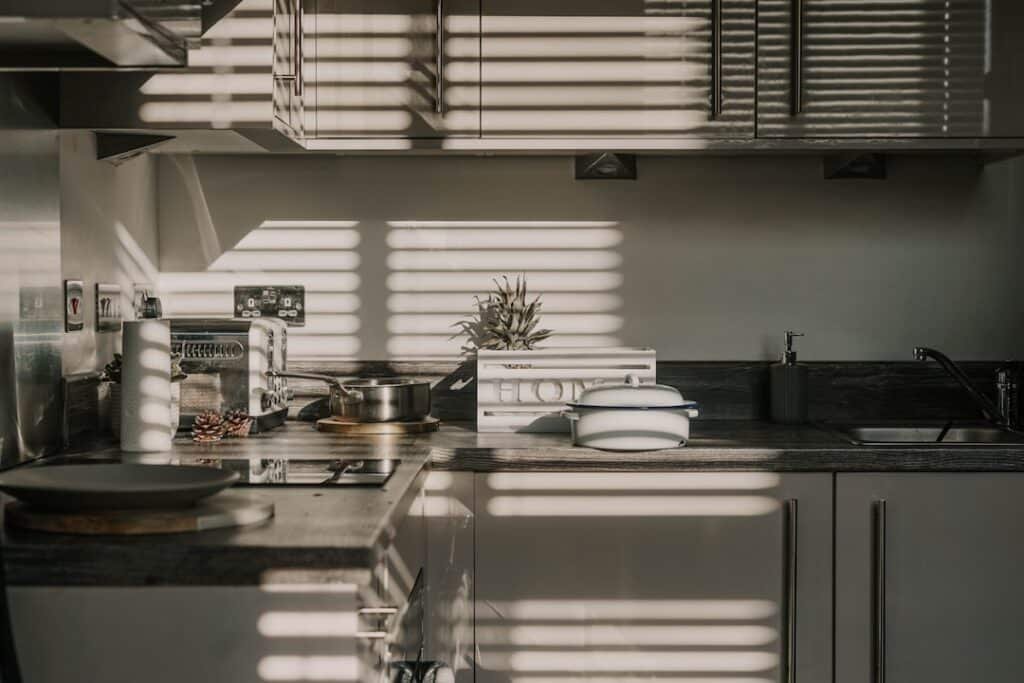
When you think about your outdoor kitchen, the first things that might come to mind are the grill, the countertops, and perhaps the seating area. However, one crucial aspect that often gets overlooked is lighting. Proper outdoor kitchen lighting is not just about visibility; it plays a significant role in creating an inviting atmosphere.
Imagine hosting a summer barbecue with friends and family, where the ambiance is enhanced by soft, warm lights that make the space feel cozy and welcoming. Good lighting can transform your outdoor kitchen from a mere cooking area into a vibrant social hub. Moreover, outdoor kitchen lighting serves practical purposes beyond aesthetics.
It ensures safety by illuminating pathways and work areas, reducing the risk of accidents during evening gatherings. You want to be able to see what you’re doing while chopping vegetables or flipping burgers, and adequate lighting allows for that. Additionally, well-placed lights can highlight architectural features or landscaping elements, adding depth and character to your outdoor space.
In essence, outdoor kitchen lighting is a blend of functionality and design, making it an essential consideration for any outdoor cooking area.
Key Takeaways
- Proper outdoor kitchen lighting is essential for safety, functionality, and aesthetics.
- Factors to consider when planning outdoor kitchen lighting include the layout, cooking and dining areas, and the desired ambiance.
- Choose lighting fixtures that are durable, weather-resistant, and complement the overall design of the outdoor kitchen.
- Implement safety measures such as using waterproof and heat-resistant fixtures, installing GFCI outlets, and avoiding glare.
- Balancing functionality and aesthetics involves strategically placing task lighting for cooking and ambient lighting for dining and entertaining.
Factors to Consider When Planning Outdoor Kitchen Lighting
As you embark on planning your outdoor kitchen lighting, several factors should guide your decisions. First and foremost, consider the layout of your kitchen. The arrangement of appliances, countertops, and seating areas will dictate where you need light the most.
For instance, if your grill is positioned far from the main cooking area, you’ll want to ensure that it is well-lit to avoid any mishaps while cooking. Think about how you use the space; do you often entertain guests or prefer quiet family dinners? Your lighting should cater to these activities.
Another critical factor is the type of activities you plan to engage in during the evening hours. If you envision hosting lively dinner parties, you might want a combination of task lighting for cooking and ambient lighting for socializing. On the other hand, if your outdoor kitchen is primarily for family use, softer lighting may suffice.
Additionally, consider the local climate and weather conditions. If you live in an area prone to rain or snow, opt for fixtures that are weather-resistant and durable. This foresight will ensure that your lighting remains functional and aesthetically pleasing for years to come.
Choosing the Right Lighting Fixtures for Your Outdoor Kitchen
Selecting the right lighting fixtures is crucial in achieving both functionality and style in your outdoor kitchen. Start by identifying the different types of lighting you need: ambient, task, and accent lighting. Ambient lighting provides overall illumination, while task lighting focuses on specific areas where activities take place, such as over the grill or prep areas.
Accent lighting can highlight decorative elements like plants or architectural features. By combining these types of lighting, you can create a well-rounded atmosphere that caters to various needs. When it comes to choosing fixtures, consider materials that can withstand outdoor conditions.
Stainless steel and weather-resistant plastics are excellent choices for durability. Additionally, think about the style of your outdoor kitchen; modern kitchens may benefit from sleek pendant lights or recessed fixtures, while rustic kitchens might look better with lantern-style lights or string lights for a more casual vibe. Don’t forget about energy-efficient options like LED bulbs, which not only save on electricity costs but also have a longer lifespan compared to traditional bulbs.
Implementing Safety Measures in Outdoor Kitchen Lighting
Safety should always be a top priority when planning your outdoor kitchen lighting. One of the first steps is to ensure that all electrical installations comply with local codes and regulations. This may involve hiring a licensed electrician who specializes in outdoor installations to guarantee that everything is up to standard.
Properly installed fixtures will minimize risks such as electrical shocks or fire hazards. In addition to installation safety, consider the placement of your lights carefully. Avoid placing fixtures in areas where they could be easily knocked over or damaged during cooking or entertaining.
Pathway lights should be strategically placed to illuminate walkways and prevent trips and falls. Furthermore, using dimmers can enhance safety by allowing you to adjust brightness levels according to the time of day or activity taking place. This flexibility not only improves visibility but also creates a more comfortable environment for your guests.
Balancing Functionality and Aesthetics in Outdoor Kitchen Lighting Design
Striking a balance between functionality and aesthetics is key when designing your outdoor kitchen lighting. You want your space to be practical for cooking and entertaining while also being visually appealing. One way to achieve this balance is by layering different types of lighting.
For example, combine overhead fixtures with under-cabinet lights to create a well-lit workspace without sacrificing style. Consider how colors and materials play into your overall design as well. Warm-toned lights can create an inviting atmosphere, while cooler tones may lend a more modern feel.
Additionally, think about how your fixtures complement other elements in your outdoor kitchen, such as countertops or cabinetry. By harmonizing these aspects, you can create a cohesive look that enhances both functionality and beauty.
Tips for Creating a Well-Lit Outdoor Kitchen Space
Creating a well-lit outdoor kitchen space involves thoughtful planning and execution. Start by mapping out your kitchen layout and identifying key areas that require illumination. Focus on work zones like the grill and prep areas first; these are where you’ll need the most light for safe cooking.
Once those areas are addressed, think about how you can enhance social spaces with softer ambient lighting. Incorporating dimmable lights can also add versatility to your outdoor kitchen. This feature allows you to adjust brightness levels based on the time of day or mood you wish to create.
For instance, brighter lights may be ideal for cooking during the early evening, while softer lights can set a more relaxed tone as night falls. Additionally, consider using decorative elements like string lights or lanterns to add charm and character to your space while providing adequate illumination.
Incorporating Energy-Efficient Lighting Solutions in Your Outdoor Kitchen
In today’s environmentally conscious world, incorporating energy-efficient lighting solutions into your outdoor kitchen is not just beneficial for the planet; it can also save you money on energy bills over time. LED bulbs are among the best options available due to their long lifespan and low energy consumption compared to traditional incandescent bulbs. By making this switch, you’ll reduce your carbon footprint while enjoying bright and effective lighting.
Another energy-efficient option is solar-powered lights, which harness sunlight during the day to illuminate your space at night without drawing from your electrical system. These lights are particularly useful for accenting pathways or garden features without incurring additional costs on your utility bill. As you plan your outdoor kitchen lighting, consider how these energy-efficient solutions can enhance both sustainability and functionality in your design.
Maintenance and Upkeep of Outdoor Kitchen Lighting Systems
Once you’ve invested time and resources into creating an ideal outdoor kitchen lighting system, regular maintenance becomes essential to ensure its longevity and effectiveness. Start by routinely checking all fixtures for any signs of wear or damage caused by weather exposure or general use. Clean light fixtures periodically to remove dirt or debris that may accumulate over time; this will help maintain their brightness and overall appearance.
Additionally, keep an eye on electrical connections and wiring for any signs of corrosion or fraying. If you notice any issues, it’s wise to consult with a professional electrician who can assess the situation safely and effectively. By staying proactive with maintenance tasks, you’ll not only extend the life of your outdoor kitchen lighting but also ensure that it continues to provide safety and ambiance for years to come.
In conclusion, outdoor kitchen lighting is an essential element that enhances both functionality and aesthetics in your cooking space. By understanding its importance and considering various factors during planning, you can create an inviting atmosphere that caters to both safety and style. With careful selection of fixtures, implementation of safety measures, and regular maintenance, your outdoor kitchen will become a cherished gathering place for family and friends alike.
If you are looking for expert advice on outdoor kitchen lighting that balances functionality, safety, and aesthetics, you may want to check out the article on exploring traditional building methods and materials. This article delves into the importance of using traditional techniques and materials in home construction to achieve a timeless and durable design. By incorporating these principles into your outdoor kitchen lighting plan, you can create a space that not only looks beautiful but also stands the test of time. For more tips and inspiration, be sure to visit Better Home Contractor’s website for their services in Berkeley and San Francisco, California.
FAQs
What are the key considerations for planning outdoor kitchen lighting?
Outdoor kitchen lighting should balance functionality, safety, and aesthetics. Key considerations include the layout of the outdoor kitchen, the specific areas that need lighting, the type of lighting fixtures, and the overall design aesthetic.
What are the safety considerations for outdoor kitchen lighting?
Safety considerations for outdoor kitchen lighting include ensuring that all walkways, cooking areas, and potential hazards are well-lit to prevent accidents. It’s important to use weatherproof and durable lighting fixtures that can withstand outdoor elements.
How can I ensure functionality in outdoor kitchen lighting?
To ensure functionality, it’s important to strategically place lighting fixtures to provide adequate illumination for food preparation, cooking, and dining areas. Task lighting, such as under-cabinet lights and pendant lights, can enhance functionality in specific work areas.
What are the aesthetic considerations for outdoor kitchen lighting?
Aesthetic considerations for outdoor kitchen lighting involve choosing fixtures that complement the overall design of the outdoor kitchen and create a welcoming ambiance. This may include incorporating decorative lighting elements, such as string lights or lanterns, to enhance the outdoor dining experience.
What are the different types of lighting fixtures suitable for outdoor kitchens?
Common types of lighting fixtures for outdoor kitchens include overhead lighting, pendant lights, under-cabinet lights, wall sconces, and landscape lighting. LED lights are a popular choice for outdoor kitchens due to their energy efficiency and durability.
How can I plan the layout of outdoor kitchen lighting?
When planning the layout of outdoor kitchen lighting, consider the specific areas that require illumination, such as cooking surfaces, dining areas, and walkways. It’s important to create a lighting plan that provides even and adequate light coverage throughout the outdoor kitchen space.