When it comes to designing an outdoor kitchen, the first step is to understand your specific cooking and entertaining needs. You might envision hosting lively summer barbecues, intimate family dinners, or even large gatherings with friends. Each of these scenarios requires different considerations in terms of space, equipment, and layout.
Take a moment to reflect on how you typically entertain. Do you prefer casual outdoor meals or more formal dining experiences? This will help you determine the necessary features for your outdoor kitchen.
Additionally, consider your cooking style. Are you a grill master who loves to sear steaks and roast vegetables over an open flame? Or do you enjoy preparing elaborate meals that require multiple cooking methods?
Your culinary preferences will dictate the types of appliances and tools you need. By clearly defining your cooking and entertaining needs, you can create a functional outdoor kitchen that enhances your lifestyle and makes every gathering a memorable experience.
Key Takeaways
- Understand your cooking and entertaining needs to determine the layout and features of your outdoor kitchen.
- Assess your outdoor space to determine the size and location of your outdoor kitchen.
- Design a work triangle that includes the grill, sink, and refrigerator for efficient cooking and entertaining.
- Create zones for cooking, prepping, and serving to streamline the outdoor cooking process.
- Choose the right appliances and fixtures that are durable and suitable for outdoor use.
Assessing Your Outdoor Space
Once you have a clear understanding of your cooking and entertaining needs, the next step is to assess your outdoor space. Take a good look at your yard or patio and consider its size, shape, and existing features. Is there ample room for an outdoor kitchen, or will you need to make adjustments to accommodate your vision?
Pay attention to the layout of your space, including any natural barriers like trees, fences, or slopes that could impact your design. You should also think about the orientation of your outdoor area. Is it sunny all day, or does it receive shade in the afternoon?
The amount of sunlight can affect not only your comfort while cooking but also the longevity of your appliances and materials. Additionally, consider the proximity to your indoor kitchen. A close connection can make transporting food and supplies easier, while a more distant location may require additional planning for utilities like water and electricity.
By thoroughly assessing your outdoor space, you can make informed decisions that will lead to a successful kitchen design.
Designing the Work Triangle
The work triangle is a fundamental concept in kitchen design that focuses on the relationship between the three main work areas: cooking, prepping, and cleaning. In an outdoor kitchen, this triangle is just as important as it is in an indoor setting. You want to ensure that these areas are efficiently arranged to facilitate smooth workflow while you cook and entertain.
As you design your outdoor kitchen, think about how you can create a seamless connection between these three zones. To achieve an effective work triangle, consider the distances between each area. Ideally, the distance between the cooking area (grill or stovetop), prep area (counter space), and cleaning area (sink) should be neither too far nor too close.
A distance of 4 to 9 feet is generally recommended for optimal efficiency. This arrangement allows you to move easily between tasks without feeling cramped or having to navigate obstacles. By thoughtfully designing your work triangle, you can enhance your cooking experience and make entertaining guests a breeze.
Creating Zones for Cooking, Prepping, and Serving
In addition to the work triangle, creating distinct zones for cooking, prepping, and serving is essential for an organized outdoor kitchen. Each zone should be tailored to its specific function while still maintaining a cohesive design. For instance, your cooking zone might feature a grill, side burners, and a pizza oven, while the prep zone could include ample counter space and cutting boards.
The serving zone should be designed for easy access to food and drinks, perhaps incorporating a bar area or dining table. When designing these zones, think about how they will interact with one another. You want to create a flow that allows you to move seamlessly from one area to another without interruption.
For example, placing the prep zone adjacent to the cooking zone will make it easy to transfer ingredients from one area to the next. Additionally, consider incorporating features like built-in storage for utensils and cookware in each zone to keep everything organized and within reach. By thoughtfully creating zones for each function, you can elevate both the efficiency and enjoyment of your outdoor cooking experience.
Choosing the Right Appliances and Fixtures
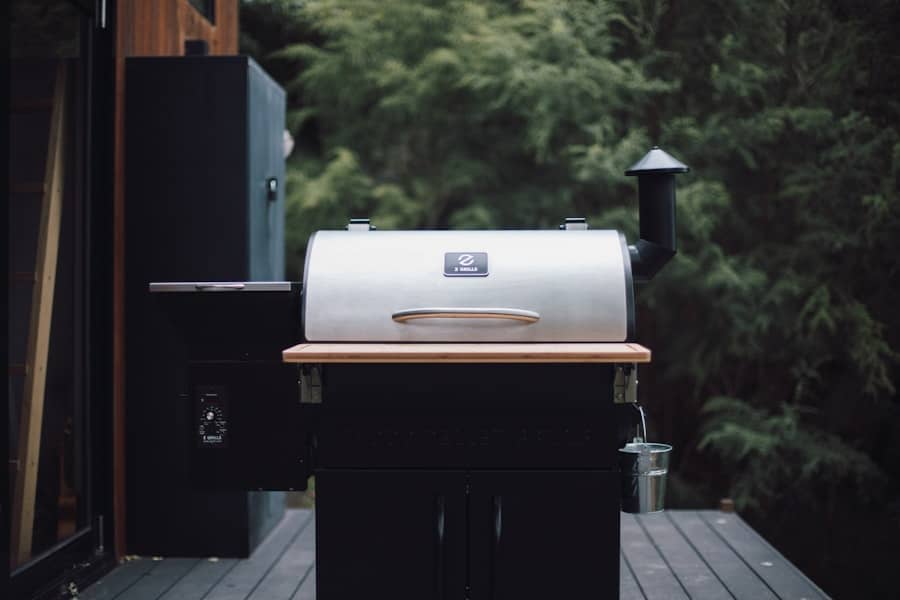
Selecting the right appliances and fixtures is crucial for maximizing the functionality of your outdoor kitchen. Depending on your cooking style and preferences, you may want to invest in high-quality grills, smokers, or even outdoor ovens. Consider whether you prefer gas or charcoal options for grilling, as each has its own unique benefits.
Additionally, think about incorporating appliances like refrigerators or ice makers to keep beverages cold and ingredients fresh during gatherings. Fixtures are equally important in creating a well-rounded outdoor kitchen. A durable sink with hot and cold water access is essential for food prep and cleaning up afterward.
You might also want to include features like an outdoor faucet for easy access to water while gardening or washing hands. Lighting is another key consideration; adequate illumination will allow you to cook and entertain comfortably after sunset. By carefully choosing appliances and fixtures that align with your needs, you can create an outdoor kitchen that is both functional and enjoyable.
Incorporating Storage Solutions
An often-overlooked aspect of outdoor kitchen design is storage solutions. Just like in an indoor kitchen, having adequate storage is vital for keeping your space organized and clutter-free. Consider incorporating cabinets or drawers made from weather-resistant materials to store utensils, cookware, and other essentials.
Open shelving can also be a stylish way to display decorative items or frequently used tools while keeping them easily accessible. In addition to traditional storage options, think about creative solutions that can maximize space efficiency. For example, built-in benches with hidden compartments can provide seating while also offering additional storage for cushions or grilling accessories.
You might also consider using vertical space by installing wall-mounted racks for hanging pots and pans or utensils. By incorporating thoughtful storage solutions into your outdoor kitchen design, you can ensure that everything has its place while maintaining a clean and inviting atmosphere.
Considering Traffic Flow and Accessibility
As you finalize your outdoor kitchen design, it’s essential to consider traffic flow and accessibility. You want to create a space that allows guests to move freely without feeling cramped or obstructed by furniture or appliances. Think about how people will navigate through the area during gatherings—will they need to walk around cooking zones or will there be clear pathways?
Ensuring that there is enough room for movement will enhance the overall experience for both you and your guests. Accessibility is another critical factor in your design process. If you have family members or friends with mobility challenges, consider how they will interact with your outdoor kitchen.
Ensure that pathways are wide enough for wheelchairs or walkers if necessary, and think about incorporating features like lower countertops for easier access. By prioritizing traffic flow and accessibility in your design, you can create an inclusive environment that welcomes everyone.
Adding Comfort and Aesthetics
Finally, don’t forget about comfort and aesthetics when designing your outdoor kitchen. After all, this space should not only be functional but also inviting and enjoyable for both you and your guests. Consider adding comfortable seating options such as lounge chairs or bar stools around a counter or dining table where people can gather while you cook.
Incorporating shade structures like pergolas or umbrellas can also enhance comfort by providing relief from the sun during hot days. Aesthetics play a significant role in creating an inviting atmosphere as well. Choose materials that complement your home’s architecture while also being durable enough to withstand outdoor conditions.
Incorporate decorative elements such as potted plants, outdoor rugs, or ambient lighting to create a warm ambiance during evening gatherings. By focusing on both comfort and aesthetics in your outdoor kitchen design, you can create a beautiful space that encourages relaxation and enjoyment for years to come. In conclusion, designing an outdoor kitchen involves careful consideration of various factors ranging from understanding your cooking needs to enhancing aesthetics.
By following these steps—assessing your space, creating functional zones, selecting appropriate appliances, ensuring accessibility, and adding comfort—you can craft an outdoor kitchen that not only meets your culinary desires but also serves as a welcoming gathering place for friends and family alike. With thoughtful planning and attention to detail, your outdoor kitchen can become the heart of your home’s entertainment experience.
If you are looking to optimize the functionality and flow of your outdoor kitchen, you may also be interested in reading about some innovative international renovation projects highlighted on Better Home Contractor. These projects can provide inspiration and ideas for creating a well-designed outdoor space that meets your needs and enhances your overall living experience. Additionally, if you are located in the San Diego or Davis, California area, you may want to consider reaching out to Better Home Contractor for expert guidance and assistance in planning and executing your outdoor kitchen layout.
FAQs
What are the key factors to consider when planning the layout of an outdoor kitchen?
When planning the layout of an outdoor kitchen, it is important to consider factors such as the available space, the location of utilities (such as water and electricity), the desired cooking and prep areas, and the flow of traffic.
How can I optimize functionality in my outdoor kitchen layout?
To optimize functionality in your outdoor kitchen layout, consider the placement of appliances, work surfaces, and storage to create efficient work zones. Additionally, incorporating features such as a sink, refrigerator, and adequate lighting can enhance functionality.
What is the importance of flow in an outdoor kitchen layout?
Flow is important in an outdoor kitchen layout to ensure that there is a smooth and efficient movement between different areas, such as the cooking, prep, and serving areas. A well-planned flow can enhance the overall functionality and usability of the outdoor kitchen.
What are some common outdoor kitchen layout designs?
Common outdoor kitchen layout designs include the L-shaped layout, U-shaped layout, and straight-line layout. Each design offers different advantages in terms of functionality, flow, and space utilization.
How can I ensure safety in the layout of my outdoor kitchen?
To ensure safety in the layout of your outdoor kitchen, consider factors such as the placement of heat sources, ventilation, and fire safety measures. It is also important to leave adequate space between appliances and work areas to prevent accidents.