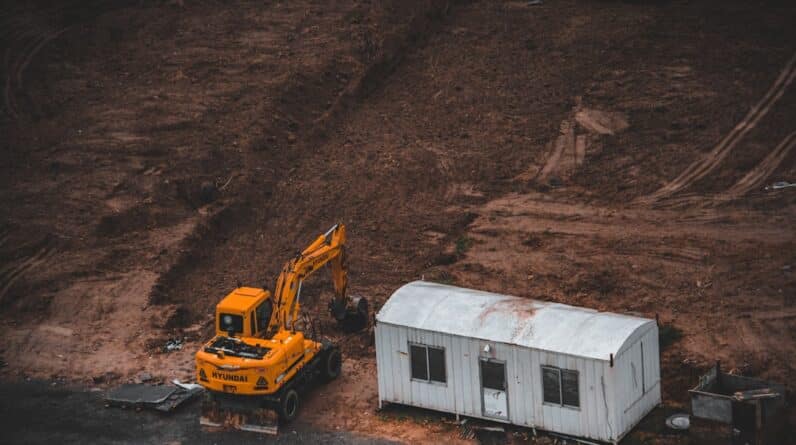
When you embark on a site-preparation project in an urban area, you quickly realize that the challenges are multifaceted and often daunting. Urban environments are typically characterized by high population density, existing infrastructure, and a complex web of regulations. You may find that the presence of nearby buildings, roads, and utilities complicates the process of clearing and preparing a site for construction.
The need to navigate around these existing structures can lead to increased costs and extended timelines, as you must carefully plan each step to avoid disrupting the surrounding community. Moreover, urban sites often come with their own unique set of environmental challenges. Contaminated soil, for instance, can be a significant hurdle that requires specialized remediation techniques before any construction can begin.
You may also encounter issues related to noise and air pollution, which can affect not only your project but also the quality of life for residents in the vicinity. Understanding these challenges is crucial for developing effective strategies that will allow you to move forward with your site-preparation efforts while minimizing disruption and ensuring compliance with local regulations.
Key Takeaways
- Site-preparation in urban areas presents unique challenges such as limited space, existing infrastructure, and community impact.
- Advanced technology such as drones, 3D modeling, and GPS can improve efficiency and accuracy in urban site-preparation.
- Sustainable practices like green infrastructure, stormwater management, and energy-efficient design are crucial for urban site-preparation.
- Adhering to local regulations and zoning laws is essential to avoid legal issues and community opposition in urban site-preparation.
- Collaboration with stakeholders including local residents, businesses, and government agencies is key to successful urban site-preparation projects.
- Managing logistics and traffic is a critical aspect of urban site-preparation to minimize disruption and ensure safety.
- Addressing environmental and community concerns through public engagement and environmental impact assessments is vital for urban site-preparation.
- Ensuring safety and security measures such as fencing, lighting, and traffic control is essential for urban site-preparation to protect workers and the public.
Utilizing Advanced Technology for Site-Preparation in Urban Areas
Streamlining the Planning Process
You might consider employing tools such as Geographic Information Systems (GIS) and Building Information Modeling (BIM) to streamline the planning process. These technologies allow you to visualize the site in three dimensions, helping you identify potential obstacles and optimize your layout before breaking ground.
Revolutionizing Site-Preparation with Drones
Drones are another innovative technology that can revolutionize site-preparation in urban settings. With their ability to capture high-resolution aerial imagery, drones provide you with a comprehensive view of the site and its surroundings. This aerial perspective can help you assess topography, identify potential hazards, and monitor progress throughout the project.
Enhancing Efficiency and Safety
By utilizing these advanced technologies, you can make informed decisions that save time and resources, ultimately leading to a more efficient project. Additionally, using drones for surveying can reduce the need for manual labor, thereby minimizing safety risks and expediting the data collection process. By embracing these advanced technologies, you position yourself to tackle the complexities of urban site-preparation with greater confidence and efficiency.
Implementing Sustainable Practices in Site-Preparation in Urban Areas
As you navigate the intricacies of urban site-preparation, incorporating sustainable practices into your approach is not just beneficial; it is essential. You may want to consider methods such as reusing materials from existing structures or implementing green building practices that minimize waste and reduce your carbon footprint. For instance, salvaging bricks or timber from demolished buildings can provide valuable resources for your new construction while simultaneously reducing landfill waste.
By prioritizing sustainability, you contribute positively to the environment and enhance your project’s appeal to eco-conscious stakeholders. Another aspect of sustainable site-preparation involves managing stormwater runoff effectively. Urban areas often struggle with drainage issues due to impervious surfaces like asphalt and concrete.
You might explore options such as permeable paving or green roofs to mitigate these challenges. These solutions not only help manage water flow but also contribute to urban biodiversity by creating habitats for local wildlife. By integrating sustainable practices into your site-preparation efforts, you not only comply with environmental regulations but also foster a sense of community responsibility that resonates with residents and stakeholders alike.
Adhering to Local Regulations and Zoning Laws in Urban Site-Preparation
Navigating the maze of local regulations and zoning laws is a critical component of successful site-preparation in urban areas. As you embark on your project, it is imperative that you familiarize yourself with the specific requirements set forth by local authorities. Zoning laws dictate how land can be used, which can significantly impact your plans for development.
You may need to obtain various permits and approvals before proceeding, which can be a time-consuming process if not managed effectively. Moreover, compliance with building codes and safety regulations is non-negotiable. These codes are designed to ensure that construction projects meet safety standards and do not pose risks to the public or the environment.
As you prepare your site, you must remain vigilant about adhering to these regulations, as failure to do so can result in costly fines or project delays. Engaging with local officials early in the planning process can help clarify requirements and streamline approvals, allowing you to focus on executing your vision while remaining compliant with all necessary regulations.
Collaborating with Stakeholders for Successful Site-Preparation in Urban Areas
Collaboration is key when it comes to successful site-preparation in urban environments. You will likely encounter a diverse array of stakeholders throughout your project, including local government officials, community members, and other contractors. Establishing open lines of communication with these groups is essential for fostering goodwill and ensuring that everyone is on the same page regarding project goals and timelines.
By actively engaging stakeholders early in the process, you can address concerns and gather valuable input that may enhance your project. Additionally, forming partnerships with local organizations can provide you with insights into community needs and preferences. You might consider hosting informational meetings or workshops to solicit feedback from residents who will be directly impacted by your project.
This collaborative approach not only helps build trust but also allows you to tailor your site-preparation efforts to better align with community expectations. Ultimately, by prioritizing collaboration, you create a more inclusive environment that supports successful outcomes for all parties involved.
Managing Logistics and Traffic in Urban Site-Preparation
Logistics management is a critical aspect of urban site-preparation that requires careful planning and execution. Given the high density of urban areas, coordinating the movement of materials and equipment can be particularly challenging. You may need to develop a detailed logistics plan that outlines delivery schedules, storage locations, and transportation routes to minimize disruptions to traffic and surrounding businesses.
By anticipating potential bottlenecks and proactively addressing them, you can keep your project on track while maintaining a positive relationship with the community. Traffic management is another vital consideration during site-preparation in urban settings. Construction activities often lead to road closures or detours that can frustrate commuters and local residents alike.
To mitigate these issues, you might collaborate with local transportation authorities to develop a traffic management plan that outlines how you will minimize disruptions during peak hours. Implementing clear signage and communication strategies can also help keep the public informed about ongoing construction activities, fostering understanding and patience among those affected by your project.
Addressing Environmental and Community Concerns in Urban Site-Preparation
As you engage in site-preparation within urban areas, it is crucial to address environmental and community concerns proactively. Urban development often raises questions about its impact on local ecosystems, air quality, and noise levels. You may want to conduct environmental assessments to identify potential issues before they arise, allowing you to implement mitigation strategies that minimize negative effects on both the environment and the community.
Community concerns should also be at the forefront of your planning efforts. Residents may worry about increased traffic congestion, noise pollution, or changes to their neighborhood’s character due to new construction. By actively listening to these concerns and incorporating feedback into your project plans, you demonstrate respect for the community’s needs while fostering goodwill among residents.
Hosting public forums or informational sessions can provide an opportunity for dialogue and transparency, ultimately leading to a more harmonious relationship between your project and the surrounding community.
Ensuring Safety and Security in Urban Site-Preparation
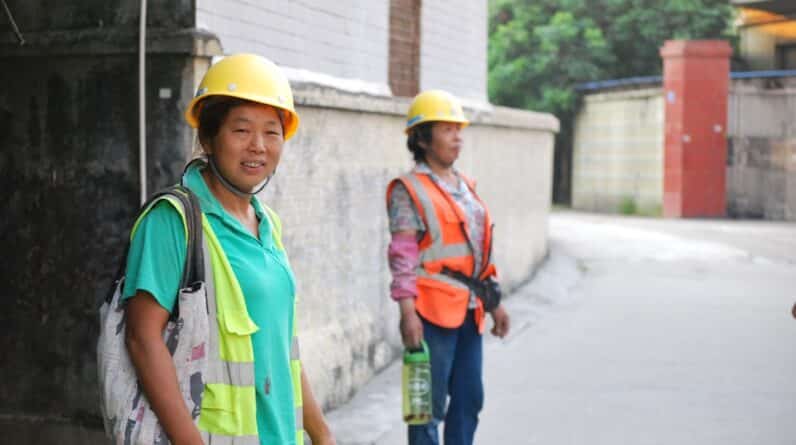
Safety and security are paramount considerations during urban site-preparation projects. The bustling nature of urban environments means that construction sites are often surrounded by pedestrians, vehicles, and nearby businesses. You must implement robust safety protocols to protect workers and the public alike.
This may include establishing clear safety zones around the construction area, providing adequate signage, and ensuring that all workers are trained in safety procedures. In addition to physical safety measures, security is another critical aspect of urban site-preparation. Construction sites can be vulnerable to theft or vandalism due to their often-open nature.
You might consider investing in surveillance systems or hiring security personnel to monitor the site during off-hours. By prioritizing safety and security throughout your project, you not only protect your investment but also instill confidence among stakeholders that their well-being is a top priority. In conclusion, navigating the complexities of site-preparation in urban areas requires a multifaceted approach that addresses challenges head-on while embracing innovation and collaboration.
By understanding the unique obstacles presented by urban environments, utilizing advanced technology, implementing sustainable practices, adhering to regulations, collaborating with stakeholders, managing logistics effectively, addressing environmental concerns, and ensuring safety and security, you position yourself for success in this dynamic landscape. Your commitment to thoughtful planning and execution will ultimately lead to projects that benefit both developers and communities alike.
When addressing the need for site preparation in densely populated urban areas, builders often face unique challenges. One related article that delves into this topic further is “Building in New York City: Overcoming Site-preparation Challenges”. This article explores how builders in the bustling metropolis of New York City navigate the complexities of preparing construction sites in densely populated areas, offering insights and strategies for success in this challenging environment.
FAQs
What is site preparation?
Site preparation refers to the process of clearing, grading, and leveling a piece of land in preparation for construction. This may involve removing trees, rocks, and other obstacles, as well as ensuring proper drainage and soil stability.
Why is site preparation important in densely populated urban areas?
In densely populated urban areas, available land for construction is limited and often comes with its own set of challenges such as existing infrastructure, zoning regulations, and environmental considerations. Proper site preparation is crucial to ensure that the construction process is efficient, safe, and minimally disruptive to the surrounding community.
How do builders address the need for site preparation in densely populated urban areas?
Builders in densely populated urban areas often employ specialized techniques and equipment to address the unique challenges of site preparation. This may include using advanced demolition methods, implementing sustainable land development practices, and coordinating with local authorities to minimize the impact on the surrounding community.
What are some common site preparation techniques used in urban areas?
Common site preparation techniques in urban areas may include selective demolition to preserve existing structures, soil stabilization to prevent erosion and foundation issues, and the use of advanced machinery for efficient land clearing and grading.
What are the environmental considerations in site preparation in urban areas?
Builders in urban areas must consider the environmental impact of site preparation, including the preservation of green spaces, the management of construction waste, and the implementation of sustainable practices to minimize disruption to local ecosystems and wildlife.