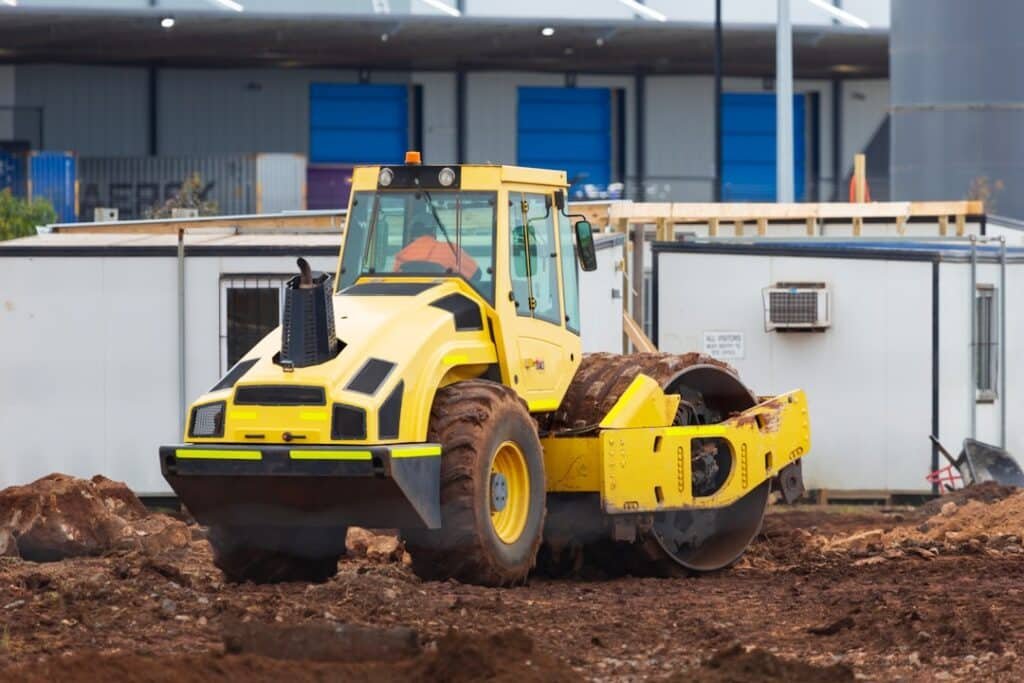
When embarking on a construction project, the significance of site-grading cannot be overstated. This crucial process involves leveling and contouring the land to create a stable foundation for any structure. You may not realize it, but the success of your building project hinges on how well the site is graded.
Proper site-grading ensures that water drains away from the foundation, reducing the risk of flooding and erosion. It also helps to create a level surface that can accommodate the weight of the building, which is essential for maintaining structural integrity over time. Moreover, site-grading plays a vital role in enhancing the overall aesthetics of the property.
A well-graded site can improve landscaping opportunities, allowing for the creation of gardens, pathways, and other outdoor features that enhance the visual appeal of your property. By investing time and resources into effective site-grading, you are not only preparing the land for construction but also laying the groundwork for a beautiful and functional outdoor environment that can be enjoyed for years to come.
Key Takeaways
- Proper site-grading is crucial in site-preparation to ensure a stable and functional foundation for construction projects.
- Factors such as slope, soil composition, and drainage must be carefully assessed to determine the need for site-grading.
- Conducting a topographical survey and analysis is essential to understand the natural features and contours of the site.
- Understanding the soil composition and drainage patterns is important in determining the extent of site-grading required.
- Compliance with environmental regulations and obtaining necessary permits are critical considerations in site-grading.
Factors Considered in Assessing the Need for Site-grading
Before you dive into the grading process, several factors must be evaluated to determine whether site-grading is necessary for your project. One of the primary considerations is the existing topography of the land. If your site has significant slopes or uneven terrain, grading may be essential to create a level surface suitable for construction.
You should also assess the intended use of the land; different types of structures may require varying degrees of grading to ensure stability and functionality. Another critical factor is drainage. Poor drainage can lead to water pooling around your foundation, which can cause significant damage over time.
You need to consider how water flows across your site and whether grading can help redirect it away from your building. Additionally, local regulations and zoning laws may dictate specific grading requirements that you must adhere to, making it essential to consult with local authorities before proceeding.
Topographical Survey and Analysis
Conducting a topographical survey is an essential step in the site-grading process. This survey provides a detailed map of the land’s contours, elevations, and natural features, allowing you to understand the existing conditions better. By analyzing this data, you can identify areas that require grading and determine how much earth needs to be moved to achieve a level surface.
You may find it beneficial to hire a professional surveyor who can provide accurate measurements and insights into your site’s unique characteristics. In addition to identifying slopes and elevations, a topographical survey can reveal potential obstacles such as trees, rocks, or existing structures that may impact your grading plans. Understanding these elements will help you develop a comprehensive grading strategy that minimizes disruption while maximizing efficiency.
By investing in a thorough topographical analysis, you set yourself up for success by ensuring that your grading efforts align with the natural landscape rather than working against it.
Soil Composition and Drainage
The composition of the soil on your site is another critical factor that influences grading decisions. Different soil types have varying properties that affect their stability and drainage capabilities. For instance, sandy soils tend to drain well but may not provide adequate support for heavy structures, while clay soils can retain water but may become unstable when saturated.
You should conduct soil tests to determine the composition and characteristics of your site’s soil before proceeding with grading. Understanding soil drainage is equally important in this context. Poor drainage can lead to water accumulation, which can undermine your building’s foundation over time.
You may need to implement additional drainage solutions, such as French drains or swales, in conjunction with grading to ensure that water flows away from your structure effectively. By addressing both soil composition and drainage during the grading process, you can create a stable foundation that minimizes future risks associated with water damage.
Environmental Regulations and Permits
Navigating environmental regulations and obtaining necessary permits is a crucial aspect of site-grading that you cannot overlook. Many regions have specific laws governing land alteration to protect natural resources and ecosystems. Before you begin grading, it’s essential to familiarize yourself with local regulations regarding soil erosion, sediment control, and habitat preservation.
Failure to comply with these regulations can result in fines or delays in your project. You may need to submit plans for approval before commencing grading activities, which often requires detailed documentation outlining your proposed methods and their potential environmental impact. Engaging with local environmental agencies early in the process can help you understand what is required and ensure that your project aligns with regulatory standards.
By prioritizing compliance with environmental regulations, you not only protect local ecosystems but also enhance your project’s credibility and sustainability.
Cost and Budget Considerations
Understanding the Cost of Site Grading
Cost is always a significant factor when planning any construction project, and site-grading is no exception. The expenses associated with grading can vary widely based on several factors, including the size of the site, the complexity of the grading required, and local labor rates.
Creating a Comprehensive Budget
You should develop a detailed budget that accounts for all aspects of grading, including equipment rental, labor costs, and any necessary permits or inspections. This will help you prepare for the financial demands of the project and avoid unexpected expenses.
Preparing for Contingencies
It’s also wise to consider potential contingencies in your budget for unexpected challenges that may arise during the grading process. For example, you might encounter rocky soil or underground utilities that require additional work or adjustments to your plans. By preparing for these possibilities in advance, you can avoid financial strain later on and ensure that your project stays on track.
Potential Impact on Building Structure and Foundation
The impact of site-grading on your building’s structure and foundation cannot be underestimated. A well-executed grading plan will provide a solid base for your construction project, ensuring that it remains stable over time. Conversely, inadequate grading can lead to serious issues such as settling or shifting foundations, which can compromise the integrity of your building and lead to costly repairs down the line.
You should also consider how grading affects other aspects of your construction project, such as landscaping and drainage systems. Properly graded sites facilitate effective water runoff management, reducing the risk of flooding or erosion around your foundation. By prioritizing thoughtful grading practices from the outset, you can safeguard your investment and create a durable structure that stands the test of time.
Collaboration with Engineers and Landscapers
Collaboration is key when it comes to successful site-grading and preparation. Engaging with civil engineers and landscapers early in the process can provide valuable insights into how best to approach grading based on your specific project goals. Engineers can help design a grading plan that meets structural requirements while landscapers can offer advice on how to integrate natural features into your design.
Working together with these professionals allows you to create a cohesive plan that addresses all aspects of site preparation—from drainage solutions to aesthetic considerations. This collaborative approach not only enhances the quality of your project but also fosters innovation by combining different areas of expertise. By valuing teamwork throughout the grading process, you set yourself up for success in achieving a well-prepared site that meets both functional and aesthetic needs.
In conclusion, site-grading is an essential component of site preparation that requires careful consideration of various factors including topography, soil composition, environmental regulations, costs, and collaboration with professionals. By understanding its importance and taking a comprehensive approach to grading, you can ensure a solid foundation for your construction project while enhancing the overall appeal and functionality of your property.
When builders assess the need for site-grading during site-preparation, they often rely on the expertise of experienced contractors like those at Better Home Contractor in Kenner, Louisiana. These professionals understand the importance of proper site-grading in ensuring the stability and longevity of a building. By working with skilled contractors like those at Better Home Contractor, builders can ensure that their projects are completed to the highest standards.
FAQs
What is site-grading?
Site-grading is the process of shaping and leveling the land to ensure proper drainage and stability before construction begins. It involves adjusting the slope and elevation of the site to meet the requirements of the building project.
Why is site-grading important during site-preparation?
Site-grading is important during site-preparation because it helps to prevent water drainage issues, erosion, and foundation problems. It also ensures that the site is suitable for construction and meets local building codes and regulations.
How do builders assess the need for site-grading?
Builders assess the need for site-grading by conducting a thorough site analysis, including evaluating the natural topography, soil conditions, and drainage patterns. They may also consider the proposed building design and local building codes to determine the extent of site-grading required.
What factors influence the decision to perform site-grading?
Factors that influence the decision to perform site-grading include the slope of the land, soil composition, water drainage patterns, and the type of construction planned for the site. Environmental regulations and the potential impact on neighboring properties may also play a role in the decision-making process.
What are the potential challenges associated with site-grading?
Potential challenges associated with site-grading include the need for heavy equipment, potential environmental impact, and the cost of the grading process. Builders must also consider the long-term maintenance and stability of the graded site.