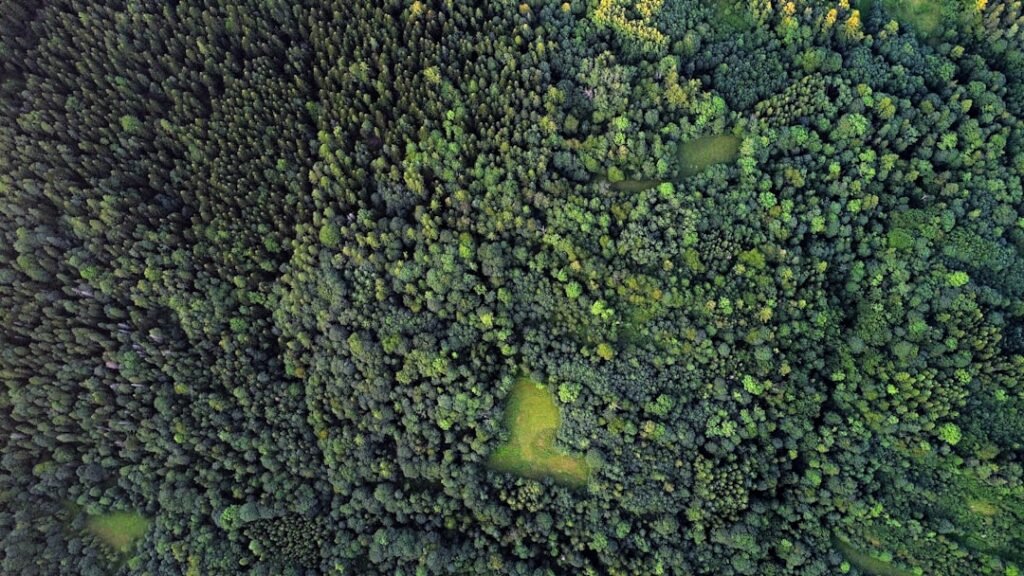
When you think about the natural world, it’s easy to overlook the intricate web of life that exists within your local ecosystems. Indigenous plant species play a crucial role in maintaining the health and balance of these environments. These plants have evolved over thousands of years, adapting to the specific conditions of their native habitats.
They provide essential services such as soil stabilization, water filtration, and habitat for wildlife. By understanding the importance of these species, you can appreciate how they contribute to biodiversity and ecological resilience. Moreover, indigenous ecosystems are not just collections of plants; they are dynamic systems that support a variety of life forms, including insects, birds, and mammals.
When you engage with these ecosystems, you begin to see how interconnected everything is. The loss of even a single indigenous species can have cascading effects on the entire ecosystem. For instance, native plants often have specific relationships with local pollinators, and their decline can lead to reduced pollination success for other plants.
By recognizing the significance of indigenous plant species, you can become an advocate for their preservation and restoration.
Key Takeaways
- Indigenous plant species and ecosystems play a crucial role in maintaining biodiversity and ecological balance.
- Conducting a thorough site assessment is essential to understand the existing ecosystem and identify potential restoration opportunities.
- Implementing sustainable site-clearing techniques, such as manual removal and selective clearing, helps minimize environmental impact.
- Utilizing native plant landscaping and restoration techniques can enhance biodiversity and resilience in the ecosystem.
- Collaborating with indigenous communities and experts is vital for incorporating traditional knowledge and practices in conservation efforts.
Conducting a Thorough Site Assessment
Before embarking on any conservation or restoration project, conducting a thorough site assessment is essential. This process involves evaluating the current conditions of the land, including its soil quality, existing vegetation, and any signs of erosion or degradation. By taking the time to assess these factors, you can gain valuable insights into what interventions may be necessary to restore the site effectively.
You might find that certain areas are more degraded than others, or that specific native species are still thriving despite surrounding challenges. In addition to physical characteristics, it’s important to consider the historical context of the site. Understanding how the land has been used in the past can inform your approach to restoration.
For example, if the area was once a thriving wetland but has since been drained for agriculture, you may need to consider how to reintroduce water management practices that mimic natural hydrology. By gathering this information, you can create a comprehensive plan that addresses both current conditions and historical influences, ensuring that your restoration efforts are grounded in a deep understanding of the site.
Implementing Sustainable Site-clearing Techniques
When it comes to site-clearing for restoration or development purposes, it’s vital to implement sustainable techniques that minimize harm to the environment. Traditional clearing methods often involve heavy machinery that can compact soil and damage existing vegetation. Instead, consider using manual clearing methods or lighter equipment that reduces soil disturbance.
This approach not only protects the integrity of the soil but also preserves any remaining native plants that could contribute to future restoration efforts. Additionally, timing is crucial when it comes to site-clearing. Clearing during specific seasons can help mitigate impacts on local wildlife.
For instance, avoiding clearing during nesting seasons for birds can ensure that you do not disrupt their reproductive cycles. By being mindful of both the methods and timing of your site-clearing activities, you can significantly reduce your ecological footprint while still achieving your project goals.
Utilizing Native Plant Landscaping and Restoration
Once you have cleared a site sustainably, the next step is to focus on landscaping and restoration using native plants. Native plant landscaping not only enhances the aesthetic appeal of an area but also supports local wildlife by providing food and habitat. When you choose plants that are indigenous to your region, you create a landscape that is more resilient to pests and diseases, requiring less maintenance and fewer chemical inputs.
Incorporating native plants into your restoration efforts can also help restore ecological functions that may have been lost due to previous land use. For example, planting native grasses can improve soil health by enhancing nutrient cycling and preventing erosion. Additionally, these plants often have deep root systems that help retain moisture and improve water infiltration.
By prioritizing native plant species in your landscaping efforts, you contribute to a healthier ecosystem while creating spaces that are beautiful and functional.
Collaborating with Indigenous Communities and Experts
Collaboration is key when it comes to effective conservation and restoration efforts. Engaging with Indigenous communities and experts can provide invaluable insights into local ecosystems and traditional ecological knowledge. These communities often have a deep understanding of the land and its history, which can inform your approach to restoration in meaningful ways.
By working together, you can create projects that honor Indigenous perspectives while also benefiting from their expertise. Moreover, involving Indigenous communities in your efforts fosters a sense of ownership and stewardship over the land. When people feel connected to their environment, they are more likely to engage in conservation practices and advocate for sustainable land use.
This collaboration not only enriches your project but also helps build relationships that can lead to long-term success in preserving local ecosystems.
Monitoring and Managing Invasive Species
Monitoring for Invasive Species
Regular monitoring is crucial as you embark on your restoration journey. Early detection is key to identifying invasive species before they become established, allowing you to take action to control their spread.
Managing Invasive Species
Managing invasive species often requires a multifaceted approach. Mechanical removal methods, such as hand-pulling or cutting invasive plants before they set seed, can be effective. In some cases, herbicides may be necessary, but it’s essential to use them judiciously and in accordance with best practices to minimize harm to surrounding native plants.
Protecting Indigenous Ecosystems
By actively managing invasive species, you help protect the integrity of indigenous ecosystems and ensure that your restoration efforts have a lasting impact.
Incorporating Green Infrastructure and Sustainable Design
As you plan your restoration or landscaping project, consider incorporating green infrastructure and sustainable design principles. Green infrastructure refers to practices that mimic natural processes to manage stormwater, improve air quality, and enhance biodiversity. For example, creating rain gardens or bioswales can help capture and filter runoff while providing habitat for native species.
These features not only contribute to ecological health but also enhance the aesthetic appeal of urban environments. Sustainable design goes hand-in-hand with green infrastructure by prioritizing materials and practices that minimize environmental impact. When selecting materials for your project, consider using recycled or locally sourced options that reduce transportation emissions and support local economies.
Additionally, designing spaces that promote biodiversity—such as planting diverse plant species or creating wildlife corridors—can enhance ecological resilience while providing valuable recreational opportunities for the community.
Educating and Engaging the Community in Conservation Efforts
Finally, one of the most powerful tools in conservation is education and community engagement. By sharing knowledge about indigenous plant species and ecosystems with your community, you empower others to take action in their own lives. Organizing workshops, guided nature walks, or volunteer days can foster a sense of connection between people and their local environment.
When individuals understand the importance of preserving indigenous ecosystems, they are more likely to advocate for sustainable practices in their daily lives. Engaging with schools and local organizations can further amplify your efforts. Collaborating with educators to develop curriculum materials focused on local ecology can inspire the next generation of environmental stewards.
By fostering a culture of conservation within your community, you create a ripple effect that extends beyond individual projects—ultimately contributing to a broader movement toward sustainability and ecological health. In conclusion, understanding the importance of indigenous plant species and ecosystems is just the beginning of a journey toward effective conservation and restoration practices. By conducting thorough site assessments, implementing sustainable techniques, utilizing native plants, collaborating with Indigenous communities, managing invasive species, incorporating green infrastructure, and engaging your community in education efforts, you can make a meaningful impact on your local environment.
Each step you take contributes not only to the health of ecosystems but also fosters a deeper connection between people and nature—a connection that is vital for ensuring a sustainable future for generations to come.
Builders can ensure the preservation of indigenous plant species and ecosystems during site-clearing by following sustainable practices and working closely with environmental experts. One related article that provides more insight into this topic is “How Sustainable Construction Practices Can Benefit the Environment”. This article discusses the importance of incorporating eco-friendly methods into construction projects to minimize the impact on local ecosystems and promote biodiversity. By implementing these practices, builders can help protect indigenous plant species and preserve the natural environment for future generations.
FAQs
What is the importance of preserving indigenous plant species and ecosystems during site-clearing?
Preserving indigenous plant species and ecosystems during site-clearing is important for maintaining biodiversity, supporting local wildlife, and protecting the cultural and ecological significance of these plants and ecosystems to indigenous communities.
How do builders identify indigenous plant species during site-clearing?
Builders can identify indigenous plant species by consulting with local botanists, ecologists, and indigenous communities, as well as conducting on-site surveys and using botanical guides and resources.
What measures do builders take to preserve indigenous plant species during site-clearing?
Builders can preserve indigenous plant species during site-clearing by implementing selective clearing techniques, transplanting endangered plants to safe locations, and establishing protected areas for important plant species.
How do builders ensure the preservation of ecosystems during site-clearing?
Builders ensure the preservation of ecosystems during site-clearing by conducting thorough environmental impact assessments, implementing erosion control measures, and creating buffer zones to protect sensitive habitats.
What are some best practices for builders to follow in preserving indigenous plant species and ecosystems during site-clearing?
Best practices for builders in preserving indigenous plant species and ecosystems during site-clearing include working closely with local experts and communities, adhering to relevant environmental regulations, and incorporating sustainable land management practices.