When embarking on a home renovation or improvement project, the first step you should take is to create a comprehensive plan and budget. This process is crucial as it sets the foundation for everything that follows. Start by outlining your goals: what do you want to achieve with this project?
Whether it’s a complete overhaul of your kitchen or simply refreshing your living room, having a clear vision will guide your decisions. Once you have your goals in place, it’s time to determine how much you can realistically spend. Consider all potential costs, including materials, labor, and any unexpected expenses that may arise.
A well-thought-out budget not only helps you stay on track financially but also allows you to prioritize your spending. As you draft your budget, be sure to include a contingency fund—typically around 10-20% of your total budget. This cushion will help you manage any surprises that come up during the renovation process, such as discovering hidden damage or needing to make last-minute changes.
Additionally, consider breaking down your budget into categories, such as materials, labor, and permits. This will give you a clearer picture of where your money is going and help you identify areas where you might be able to cut costs. By planning meticulously and budgeting wisely, you set yourself up for a smoother renovation experience.
Key Takeaways
- Set a realistic budget and plan for unexpected expenses when renovating a space.
- Research and compare the cost and durability of different materials before making a decision.
- Consider the pros and cons of DIY projects versus hiring professionals for renovation work.
- Maximize space by utilizing multifunctional furniture and storage solutions.
- Look for opportunities to upcycle and repurpose existing items to save money on decor and furnishings.
- Shop around for budget-friendly appliances and fixtures without compromising on quality.
- Obtain multiple quotes from different contractors and negotiate prices to get the best deal.
- Stay flexible and prioritize essential needs to avoid overspending during the renovation process.
Researching Cost-Effective Materials
Exploring Cost-Effective Options
Once you have a solid plan and budget in place, the next step is to research cost-effective materials that align with your vision. The market is filled with options, and it’s essential to explore various alternatives that can save you money without compromising quality. Start by visiting local home improvement stores and browsing online marketplaces to compare prices and materials.
Unconventional Materials with Similar Aesthetics
You might be surprised to find that some materials offer similar aesthetics and durability at a fraction of the cost. For instance, laminate countertops can mimic the look of granite while being significantly more affordable.
Innovative and Sustainable Choices
In addition to traditional materials, consider innovative options that are gaining popularity for their cost-effectiveness and sustainability. Reclaimed wood, for example, not only adds character to your space but is often less expensive than new lumber. Similarly, recycled glass tiles can provide a unique touch to your bathroom or kitchen without breaking the bank.
By taking the time to research and compare materials, you can make informed choices that enhance your project while keeping your budget intact.
DIY vs Hiring Professionals
As you delve deeper into your renovation project, one of the most significant decisions you’ll face is whether to tackle tasks yourself or hire professionals. This choice can greatly impact both your budget and the overall outcome of your project. If you have some experience with home improvement or are willing to learn, taking on certain tasks yourself can save you a considerable amount of money.
Simple projects like painting walls or installing shelves can often be done with minimal tools and effort, allowing you to allocate funds elsewhere. However, it’s essential to recognize your limitations. Some tasks require specialized skills or knowledge that you may not possess, such as electrical work or plumbing.
Attempting these jobs without proper expertise can lead to costly mistakes or even safety hazards. In such cases, hiring professionals may be the best route to ensure quality workmanship and compliance with local building codes. Weighing the pros and cons of DIY versus hiring experts will help you make informed decisions that align with both your budget and project goals.
Utilizing Space Efficiently
Maximizing space is another critical aspect of any renovation project, especially if you’re working with a limited area. You should think creatively about how to utilize every square foot effectively. Start by assessing your current layout: are there areas that feel cramped or underutilized?
Consider open-concept designs that can create a more spacious feel by removing unnecessary walls or barriers. This approach not only enhances the flow of your home but can also make it feel larger and more inviting. In addition to reconfiguring layouts, think about incorporating multifunctional furniture and storage solutions.
For instance, a sofa bed can serve as both seating and sleeping space in a small living room or guest room. Similarly, built-in shelves or cabinets can provide ample storage without taking up valuable floor space. By prioritizing efficient use of space in your renovation plans, you can create a more functional and aesthetically pleasing environment that meets your needs.
Upcycling and Repurposing
Incorporating upcycling and repurposing into your renovation project is an excellent way to save money while adding unique character to your home. Instead of purchasing new items, consider giving old furniture or materials a new lease on life. For example, an old dresser can be transformed into a stylish bathroom vanity with a little creativity and effort.
Not only does this approach save money, but it also allows you to express your personal style in ways that store-bought items may not. Additionally, upcycling is an environmentally friendly choice that reduces waste and promotes sustainability. You might find inspiration in local thrift stores or online marketplaces where people sell their unwanted items at low prices.
Look for pieces that can be easily modified or updated with paint, new hardware, or upholstery. By embracing upcycling and repurposing in your renovation project, you not only keep costs down but also create a space that reflects your individuality and values.
Shopping for Budget-Friendly Appliances and Fixtures
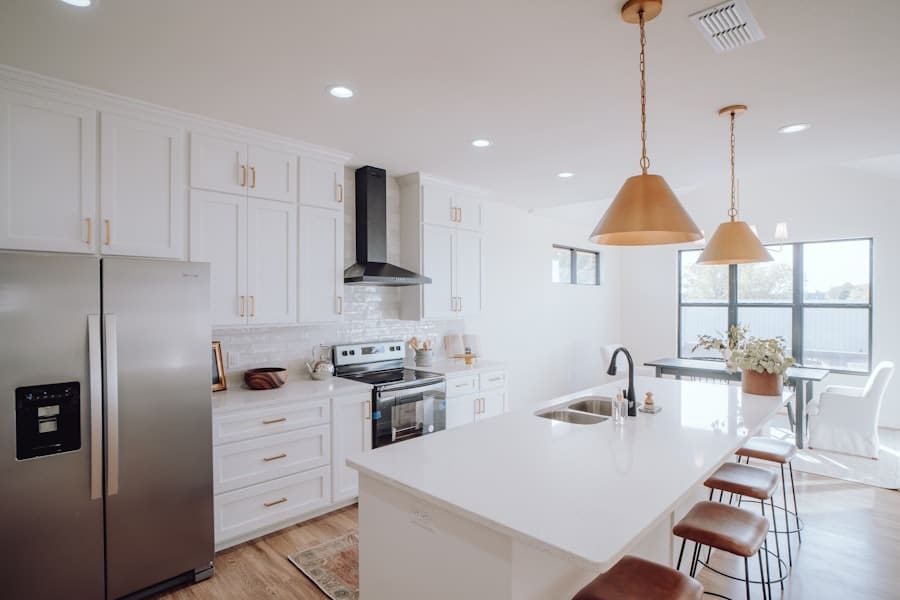
When it comes to appliances and fixtures, shopping smart can significantly impact your overall renovation budget. You should start by researching brands known for their affordability without sacrificing quality. Many manufacturers offer budget-friendly lines that provide essential features at lower price points.
Take the time to read reviews and compare energy efficiency ratings; investing in energy-efficient appliances may cost more upfront but can save you money on utility bills in the long run. Don’t forget about seasonal sales and clearance events when shopping for appliances and fixtures. Major retailers often have significant discounts during holidays or end-of-season sales, allowing you to snag high-quality items at reduced prices.
Additionally, consider purchasing floor models or open-box items that are still in excellent condition but come at a lower cost due to minor cosmetic imperfections. By being strategic in your shopping approach, you can find budget-friendly appliances and fixtures that enhance your renovation without derailing your financial plans.
Comparing Quotes and Negotiating Prices
If you’ve decided to hire professionals for certain aspects of your renovation project, obtaining multiple quotes is essential for ensuring you’re getting the best value for your money. Reach out to several contractors or service providers and request detailed estimates for the work you need done. This process not only gives you a clearer understanding of market rates but also allows you to identify any discrepancies in pricing among different providers.
Once you’ve gathered quotes, don’t hesitate to negotiate prices where possible. Many contractors are willing to discuss their rates, especially if they see you’re serious about hiring them for the job. You might find that they can offer discounts for bundling services or adjusting the scope of work to fit within your budget.
By actively comparing quotes and negotiating prices, you empower yourself as a consumer and increase the likelihood of staying within your financial limits while still achieving quality results.
Maintaining a Flexible Mindset and Prioritizing Needs
Throughout the renovation process, maintaining a flexible mindset is crucial for navigating unexpected challenges and changes in plans. No matter how meticulously you’ve planned, surprises are bound to arise—whether it’s delays in material delivery or unforeseen structural issues in your home. By staying adaptable and open-minded, you’ll be better equipped to handle these obstacles without becoming overwhelmed.
In addition to flexibility, prioritizing needs over wants will help keep your project on track financially and emotionally. As you progress through the renovation, regularly reassess what aspects are most important to you versus what can be postponed or eliminated altogether. This approach ensures that you’re investing in features that truly enhance your living space while allowing room for adjustments as needed.
By combining flexibility with clear priorities, you’ll navigate the ups and downs of your renovation journey with greater ease and satisfaction. In conclusion, embarking on a home renovation project requires careful planning, research, and decision-making at every stage. By focusing on budgeting effectively, exploring cost-effective materials, weighing DIY versus professional help, utilizing space efficiently, embracing upcycling, shopping smartly for appliances, comparing quotes diligently, and maintaining flexibility throughout the process, you can achieve a successful renovation that meets both your aesthetic desires and financial constraints.
With these strategies in mind, you’re well-equipped to transform your home into a space that reflects your style while staying within budget.
If you’re looking to transform your kitchen into an extraordinary space while staying within a budget, you may want to check out the article on Architectural Alchemy: Transforming Ordinary Homes into Extraordinary Spaces. This article provides valuable insights and tips on how to achieve a high-end look without breaking the bank. Additionally, if you’re located in Abilene, Texas or Turlock, California, you can reach out to Better Home Contractor for expert advice and assistance in renovating your kitchen.
FAQs
What are some tips for building a new kitchen on a budget?
Some tips for building a new kitchen on a budget include setting a realistic budget, prioritizing the most important elements, considering DIY options, and shopping for deals and discounts.
What are some cost-effective materials and finishes for a budget-friendly kitchen?
Cost-effective materials and finishes for a budget-friendly kitchen include laminate countertops, vinyl flooring, ready-to-assemble cabinets, and affordable yet durable appliances.
How can I save money on kitchen appliances?
You can save money on kitchen appliances by shopping during sales and promotions, considering refurbished or gently used appliances, and comparing prices from different retailers.
What are some ways to cut costs on kitchen cabinets?
Ways to cut costs on kitchen cabinets include choosing ready-to-assemble cabinets, opting for open shelving or mix-and-match cabinetry, and considering refinishing or painting existing cabinets.
Are there any cost-saving options for kitchen countertops?
Cost-saving options for kitchen countertops include choosing laminate or butcher block countertops, considering alternative materials like concrete or tile, and looking for discounted or clearance options.
How can I make the most of my kitchen layout on a budget?
To make the most of your kitchen layout on a budget, consider keeping the existing layout to avoid costly plumbing and electrical work, maximizing storage with smart organization solutions, and utilizing space-saving furniture and accessories.