
When you step into a newly constructed building, the excitement of fresh beginnings is palpable. However, before you can truly enjoy the space, it’s crucial to understand the importance of cleaning it thoroughly. New buildings often harbor dust, debris, and residues from construction materials that can affect air quality and overall aesthetics.
A comprehensive cleaning not only enhances the visual appeal of the space but also ensures a healthier environment for occupants. This is particularly vital if the building will be used for residential or commercial purposes, where the well-being of individuals is paramount. Moreover, cleaning a new building sets the stage for its future maintenance.
By removing construction dust and residues, you prevent potential long-term damage to surfaces and fixtures. For instance, drywall dust can settle into crevices and cause issues with paint adhesion or even lead to mold growth if moisture is present. By prioritizing a thorough cleaning, you are investing in the longevity of the building and ensuring that it remains a welcoming space for years to come.
Key Takeaways
- Cleaning a new building is important to ensure a healthy and safe environment for occupants and visitors.
- Preparing for cleaning involves assessing the building’s needs, creating a cleaning plan, and gathering the necessary equipment and supplies.
- Choosing the right cleaning products is crucial for effectively removing dirt, grime, and germs without causing damage to surfaces or harming the environment.
- Cleaning the interior involves dusting, vacuuming, mopping, and sanitizing all surfaces, including floors, walls, and furniture.
- Cleaning the exterior requires attention to windows, facades, and outdoor areas to maintain a clean and professional appearance.
- Special considerations for different surfaces, such as wood, glass, and metal, require specific cleaning techniques and products to avoid damage.
- Safety measures and precautions, such as using protective gear and following proper cleaning procedures, are essential to prevent accidents and injuries.
- Establishing a maintenance and regular cleaning schedule helps to keep the building clean and well-maintained over time.
Preparing for Cleaning
Before diving into the cleaning process, preparation is key. You need to assess the building and create a detailed plan that outlines what needs to be cleaned and in what order. Start by walking through each room and taking note of any specific areas that require special attention.
This could include windows, floors, walls, and fixtures that may have accumulated dust or debris during construction. Having a clear understanding of the scope of work will help you stay organized and efficient throughout the cleaning process. In addition to planning, gathering the right tools and equipment is essential.
You’ll want to ensure you have all necessary cleaning supplies on hand before you begin. This includes brooms, mops, vacuum cleaners, microfiber cloths, and any specialized tools for hard-to-reach areas. It’s also wise to consider protective gear such as gloves and masks, especially if you’re dealing with potentially hazardous materials like dust or chemical residues.
By preparing adequately, you set yourself up for a successful cleaning experience.
Choosing the Right Cleaning Products
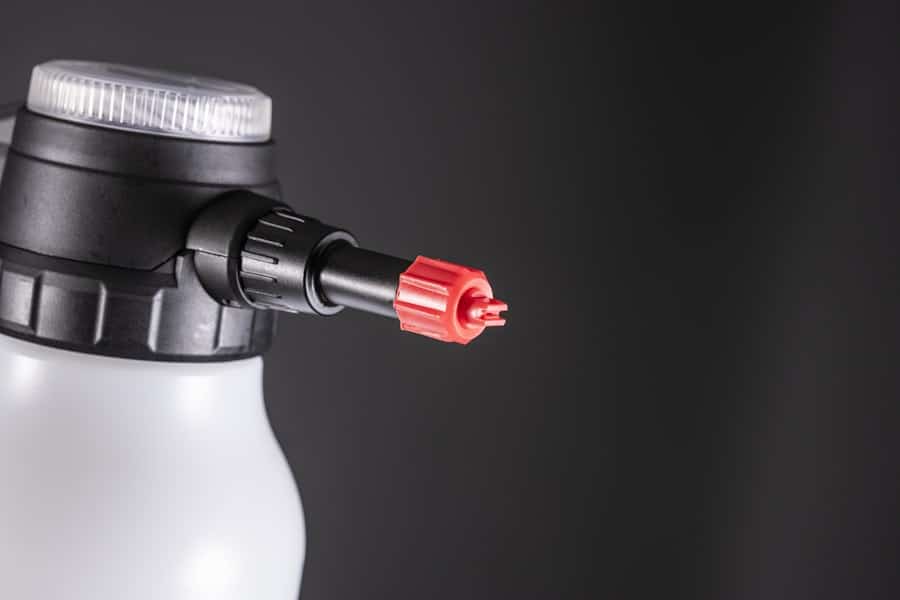
Selecting the appropriate cleaning products is crucial for effective cleaning without causing damage to surfaces. You should opt for products that are specifically designed for new construction clean-up. These often include heavy-duty cleaners that can tackle stubborn stains and residues left behind by construction activities.
However, it’s equally important to consider the materials you’ll be cleaning. For example, glass surfaces may require a different cleaner than wood or tile. Additionally, eco-friendly cleaning products are becoming increasingly popular due to their effectiveness and safety for both occupants and the environment.
When choosing your cleaning supplies, look for biodegradable options that are free from harsh chemicals. This not only ensures a safer environment for those who will occupy the building but also aligns with sustainable practices that are becoming more important in today’s world. By making informed choices about your cleaning products, you contribute to a healthier space while achieving optimal cleanliness.
Cleaning the Interior
Once you have prepared and gathered your supplies, it’s time to tackle the interior cleaning. Start from the top and work your way down; this means beginning with ceilings and light fixtures before moving on to walls and floors. Dust tends to settle downwards, so by starting high, you prevent having to clean lower surfaces multiple times.
Use a microfiber cloth or duster to capture dust from light fixtures and ceiling fans effectively. After addressing the ceilings and fixtures, shift your focus to walls and windows. Depending on the type of paint used, you may need a gentle cleaner to avoid damaging the finish.
Pay special attention to corners and edges where dust tends to accumulate. Windows should be cleaned inside and out to ensure maximum light enters the space. Finally, when it comes to flooring, whether it’s carpet, tile, or hardwood, make sure to use appropriate methods for each type to avoid scratches or damage.
Cleaning the Exterior
The exterior of a new building is just as important as its interior when it comes to first impressions. Begin by clearing away any debris left from construction activities, such as scraps of wood or leftover materials. This not only improves aesthetics but also prevents potential hazards around the property.
Once cleared, focus on washing down surfaces like walls and windows using appropriate cleaners that won’t harm the exterior finish. Don’t forget about outdoor spaces such as patios or balconies. These areas often collect dirt and grime during construction and should be cleaned thoroughly as well.
If there are any outdoor fixtures like lights or furniture, ensure they are also cleaned properly. A well-maintained exterior not only enhances curb appeal but also protects the building from weather-related wear and tear.
Special Considerations for Different Surfaces

As you clean various areas of a new building, it’s essential to recognize that different surfaces require different care techniques. For instance, natural stone surfaces like granite or marble need gentle cleaners that won’t etch or dull their finish. On the other hand, laminate surfaces can often withstand stronger cleaners but should still be treated with care to avoid scratches.
Additionally, consider any specialized materials used in the building’s design. For example, if there are any high-end finishes or unique architectural elements, research the best cleaning methods for those specific materials. Taking these special considerations into account will ensure that every surface is treated appropriately, maintaining its beauty and integrity over time.
Safety Measures and Precautions
Safety should always be a top priority when cleaning a new building. As you work through various tasks, be mindful of potential hazards such as slippery floors or sharp objects left behind from construction. Wearing appropriate personal protective equipment (PPE) like gloves, masks, and goggles can help protect you from dust inhalation or chemical exposure.
Furthermore, ensure that your cleaning area is well-ventilated, especially if you’re using strong cleaning agents. Open windows and doors when possible to allow fresh air circulation. If you’re working at heights—such as cleaning high windows—make sure to use ladders safely and follow all recommended guidelines to prevent accidents.
By taking these safety measures seriously, you create a safer working environment for yourself and anyone else involved in the cleaning process.
Maintenance and Regular Cleaning Schedule
Once your new building has been thoroughly cleaned, establishing a maintenance routine is essential for keeping it in pristine condition. Regular cleaning not only preserves the aesthetic appeal but also extends the life of various surfaces and fixtures within the building. Create a schedule that outlines daily, weekly, and monthly tasks to ensure that every area receives attention at appropriate intervals.
Daily tasks might include light dusting and sweeping high-traffic areas, while weekly tasks could involve deeper cleaning of bathrooms and kitchens. Monthly maintenance might include window washing or checking for any signs of wear on surfaces that require special care. By adhering to a regular cleaning schedule, you ensure that your new building remains a welcoming space for all who enter while minimizing the need for extensive clean-ups in the future.
In conclusion, cleaning a new building is an essential step that should not be overlooked. From understanding its importance to preparing adequately and choosing the right products, each aspect plays a vital role in achieving a clean and healthy environment. By following these guidelines and maintaining a regular cleaning schedule, you can ensure that your new space remains beautiful and functional for years to come.
If you are looking for tips on how to clean a new building, you may also be interested in reading about the services offered by Better Home Contractor in Roseville, California. They specialize in home improvement projects and can provide valuable insights on maintaining a clean and well-maintained property. Check out their website