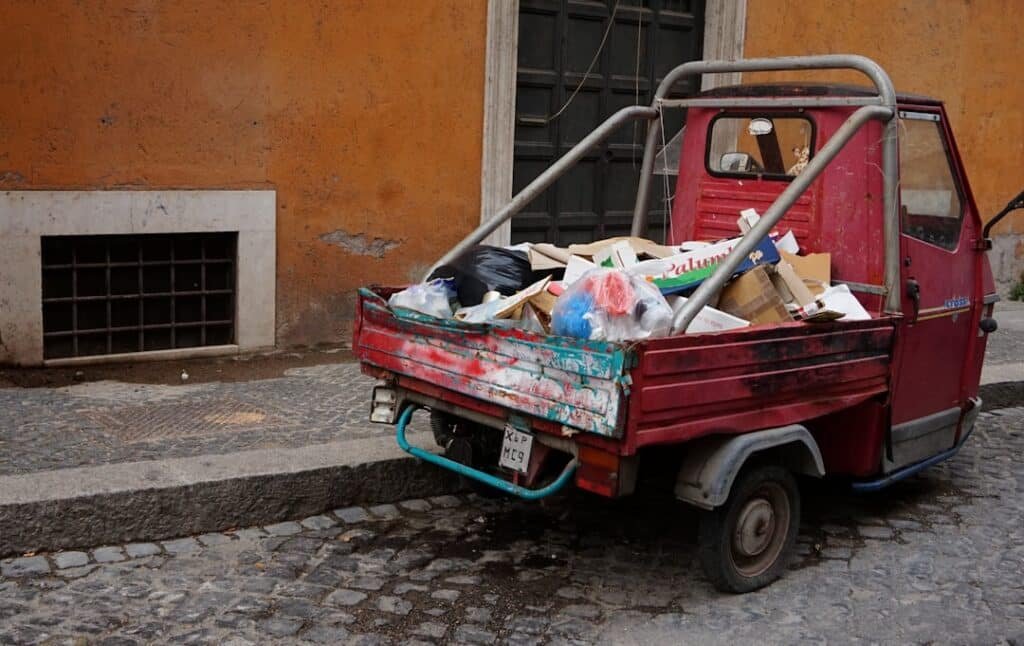
When you embark on a construction project, whether it’s a minor renovation or a major build, you inevitably generate a significant amount of debris. This construction debris can encompass a wide range of materials, including wood scraps, concrete, metal, drywall, and even hazardous substances like asbestos or lead paint. Understanding the nature of this debris is crucial for effective management and disposal.
You may find yourself overwhelmed by the sheer volume of waste produced, but recognizing what constitutes construction debris can help you plan for its removal and ensure compliance with local regulations. Construction debris is not just an eyesore; it can also pose safety hazards if not managed properly. Sharp objects, heavy materials, and toxic substances can create dangerous conditions on-site.
By familiarizing yourself with the types of debris generated during construction, you can take proactive steps to mitigate risks. For instance, knowing that certain materials require special handling can help you avoid potential fines and health risks associated with improper disposal. Understanding construction debris is the first step in creating a safe and efficient work environment.
Key Takeaways
- Construction debris includes materials such as wood, metal, concrete, drywall, and insulation.
- Debris should be sorted into categories such as recyclable, hazardous, and non-recyclable before disposal.
- Recycling options for construction debris include donating usable materials, repurposing, and using a construction debris recycling facility.
- Hiring a professional debris removal service can ensure efficient and safe disposal of construction waste.
- Safety measures for debris clearing include wearing protective gear, using proper lifting techniques, and securing the work area.
Sorting and Categorizing Debris
Once you have a grasp on what construction debris entails, the next logical step is sorting and categorizing it. This process is essential for effective disposal and recycling. You should begin by separating materials into distinct categories: recyclable, reusable, and non-recyclable waste.
For example, metals like steel and aluminum can often be recycled, while wood may be repurposed for other projects or composted if untreated. By taking the time to sort your debris, you not only streamline the disposal process but also contribute to environmental sustainability. Categorizing debris also allows you to identify hazardous materials that require special handling.
Items such as old insulation, lead paint chips, or asbestos-laden materials must be dealt with according to strict regulations to ensure safety. You should familiarize yourself with local laws regarding hazardous waste disposal to avoid legal repercussions. By being diligent in your sorting efforts, you can create a safer work environment and potentially save money by reducing landfill fees through recycling.
Disposal and Recycling Options
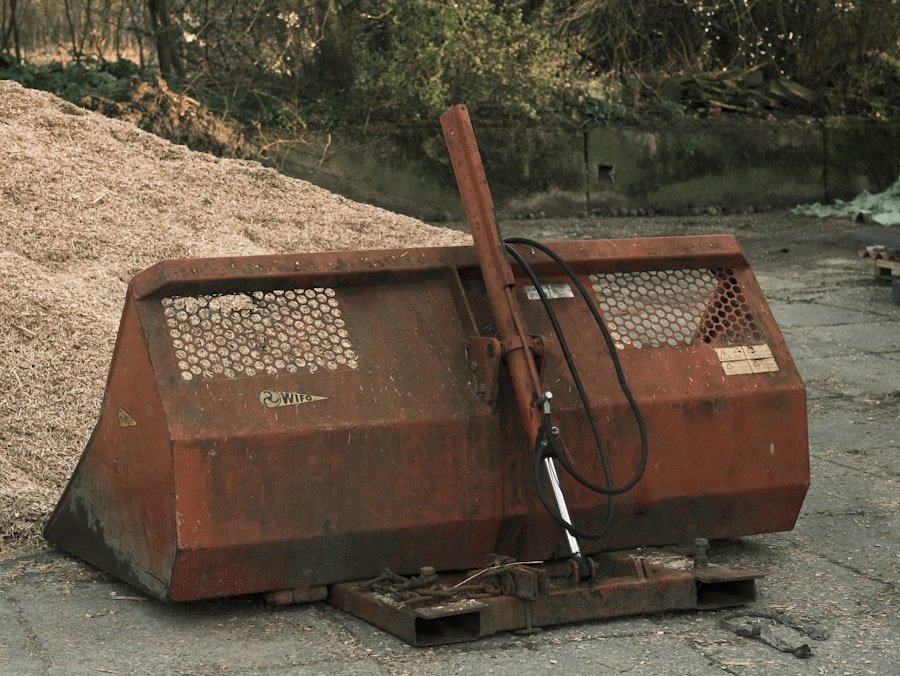
With your debris sorted and categorized, it’s time to explore your disposal and recycling options. Many municipalities offer specific guidelines for construction waste disposal, so it’s essential to check local regulations before proceeding. You may have access to designated drop-off sites for recyclable materials or specific collection days for bulk waste.
Understanding these options can help you make informed decisions about how to dispose of your debris responsibly. Recycling is an increasingly popular option for construction waste management. Many materials can be repurposed or recycled, reducing the overall environmental impact of your project.
For instance, concrete can be crushed and reused as aggregate in new construction, while metals can be melted down and reformed into new products. By choosing to recycle whenever possible, you not only contribute to a more sustainable future but may also find cost savings in disposal fees. Engaging with local recycling centers can provide you with valuable information on what materials they accept and how to prepare them for recycling.
Hiring a Professional Debris Removal Service
If the task of managing construction debris feels overwhelming, hiring a professional debris removal service may be the best option for you. These services specialize in efficiently clearing away waste from construction sites, allowing you to focus on the project at hand. A professional team will have the expertise and equipment necessary to handle various types of debris safely and effectively.
They can also ensure that materials are sorted correctly and disposed of in compliance with local regulations. When selecting a debris removal service, it’s important to do your research. Look for companies with positive reviews and a proven track record in the industry.
You should also inquire about their recycling practices and whether they prioritize environmentally friendly disposal methods. By choosing a reputable service, you can rest assured that your construction debris will be handled responsibly, minimizing your project’s environmental footprint while keeping your site safe and organized.
Safety Measures for Debris Clearing
Safety should always be your top priority when clearing construction debris. The presence of sharp objects, heavy materials, and potentially hazardous substances makes this task inherently risky. Before you begin clearing debris, ensure that you are equipped with the appropriate personal protective equipment (PPE), such as gloves, safety goggles, hard hats, and steel-toed boots.
These items will help protect you from injuries while working in a potentially dangerous environment. In addition to wearing PPE, it’s crucial to establish clear safety protocols for debris removal. Make sure that everyone involved in the project understands these protocols and follows them diligently.
This may include guidelines for lifting heavy objects correctly, using tools safely, and maintaining a clean work area to prevent accidents. By fostering a culture of safety on your construction site, you can significantly reduce the risk of injuries and create a more efficient workflow.
Tools and Equipment for Debris Removal
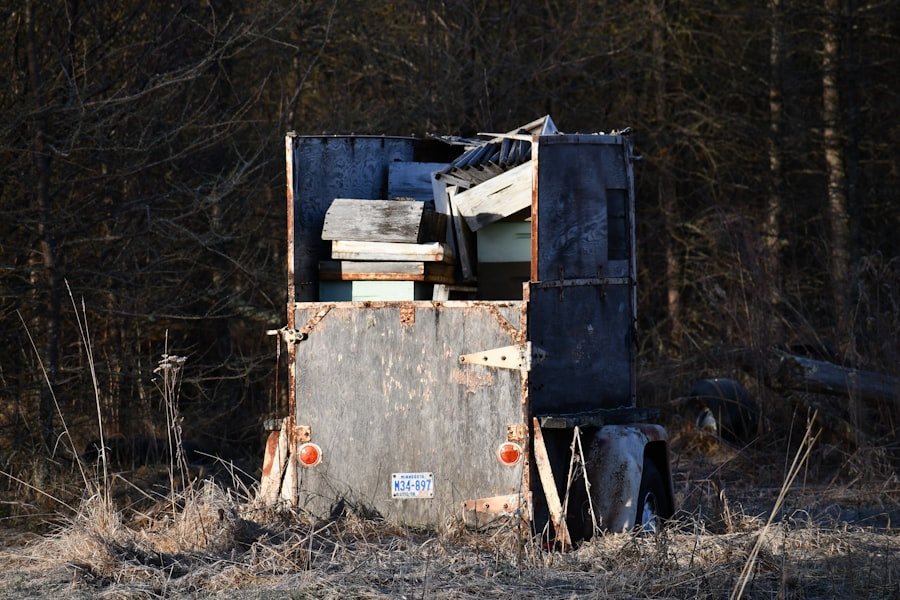
Having the right tools and equipment at your disposal can make a significant difference in the efficiency of your debris removal efforts. Depending on the type and volume of debris you’re dealing with, you may need various tools ranging from basic hand tools to heavy machinery. For smaller projects, items like shovels, rakes, brooms, and wheelbarrows may suffice for clearing away debris.
However, larger projects may require more specialized equipment such as skid steers or excavators for heavy lifting. In addition to physical tools, consider investing in containers or dumpsters specifically designed for construction waste. These containers can help keep your work area organized while providing a designated space for different types of debris.
Renting a dumpster can also simplify the disposal process by allowing you to have a central location for waste until it’s ready to be picked up or taken to a recycling facility. By equipping yourself with the right tools and equipment, you can streamline your debris removal process and enhance overall productivity.
Legal and Environmental Considerations
Navigating the legal landscape surrounding construction debris disposal is essential for any project manager or contractor. Local regulations often dictate how different types of waste must be handled, especially when it comes to hazardous materials. Failing to comply with these regulations can result in hefty fines or legal repercussions that could derail your project.
Therefore, it’s crucial to familiarize yourself with local laws regarding waste disposal before beginning any construction work. Environmental considerations are equally important when managing construction debris. The construction industry has a significant impact on landfills and natural resources; therefore, adopting sustainable practices is vital for minimizing this impact.
You should strive to reduce waste generation through careful planning and design while prioritizing recycling whenever possible. Engaging with local environmental organizations or agencies can provide valuable insights into best practices for sustainable construction waste management.
Tips for Efficient Debris Clearing
To maximize efficiency during your debris clearing efforts, consider implementing a few strategic tips. First and foremost, create a clear plan before starting the removal process. Outline specific tasks, assign responsibilities if working with a team, and establish timelines for completion.
Having a structured approach will help keep everyone focused and on track. Additionally, consider scheduling regular clean-up sessions throughout the project rather than waiting until the end to tackle all debris at once. This proactive approach not only keeps your work area organized but also prevents the accumulation of hazardous materials that could pose safety risks.
Finally, don’t hesitate to seek assistance from professionals if needed; their expertise can save you time and effort while ensuring that your debris is handled safely and responsibly. By understanding construction debris management from sorting to disposal, you can create a safer work environment while contributing positively to sustainability efforts in your community. Whether you choose to tackle the task yourself or hire professionals, being informed about best practices will ultimately lead to a more successful project outcome.
If you are interested in learning more about historical renovations and restorations, check out this article on Better Home Contractor’s website. This article provides valuable insights into the process of preserving and renovating historical buildings. It can be a great resource for understanding the importance of maintaining the integrity of older structures while also updating them for modern use.
FAQs
What is construction debris?
Construction debris refers to the waste and materials that are generated during construction, renovation, or demolition projects. This can include materials such as wood, concrete, drywall, metal, insulation, roofing materials, and more.
Why is it important to clear construction debris?
Clearing construction debris is important for several reasons. It helps maintain a safe and clean work environment, reduces the risk of accidents and injuries, and ensures compliance with local regulations and environmental standards.
What are the methods for clearing construction debris?
There are several methods for clearing construction debris, including manual labor, renting a dumpster or roll-off container, hiring a professional debris removal service, or using a construction debris recycling facility.
What are the best practices for clearing construction debris?
Best practices for clearing construction debris include segregating different types of materials for recycling, properly disposing of hazardous materials, following local regulations for waste disposal, and ensuring the safety of workers during the debris clearing process.
How can construction debris be recycled or reused?
Construction debris can be recycled or reused by sorting and segregating materials such as wood, metal, concrete, and asphalt for recycling. Additionally, some construction debris can be repurposed for other construction projects or used as fill material.