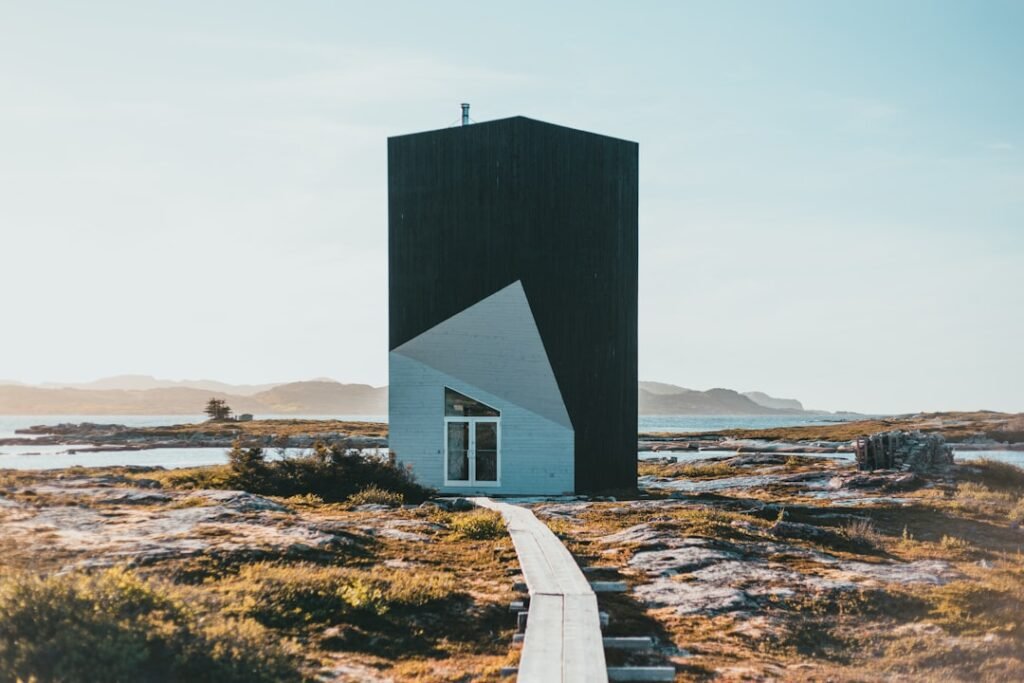
In recent years, the tiny home movement has gained significant traction, captivating the hearts and minds of individuals seeking a simpler, more sustainable lifestyle. You may find yourself drawn to the idea of living in a compact space that encourages minimalism and fosters a deeper connection with nature. Tiny homes, typically defined as dwellings under 400 square feet, offer a unique solution to the challenges of modern living, such as rising housing costs and environmental concerns.
By embracing a smaller footprint, you can not only save money but also reduce your ecological impact, making tiny homes an appealing option for many. The allure of tiny homes extends beyond their size; they represent a shift in mindset. You might appreciate the freedom that comes with downsizing your possessions and focusing on experiences rather than material goods.
This lifestyle encourages you to prioritize what truly matters, whether it’s spending time with loved ones, pursuing hobbies, or exploring the great outdoors. As you delve into the world of tiny homes, you’ll discover a vibrant community of like-minded individuals who share your passion for simplicity and sustainability.
Key Takeaways
- Tiny homes are a growing trend in the housing industry, offering a minimalist and sustainable living option.
- Careful planning and design are crucial in maximizing the limited space available in tiny homes.
- Understanding local permitting and zoning regulations is essential before starting the construction of a tiny home.
- Site preparation involves considerations such as foundation, access, and environmental impact.
- The construction process for tiny homes requires attention to detail and efficient use of space to ensure a sturdy and functional structure.
Planning and Design Phase
As you embark on your tiny home journey, the planning and design phase is crucial. This is where your vision begins to take shape, and you’ll need to consider various factors that will influence your final product. Start by reflecting on your lifestyle and how you envision living in a smaller space.
What are your must-haves? Perhaps you dream of a cozy reading nook bathed in natural light or a multifunctional kitchen that allows you to whip up gourmet meals. By identifying your priorities, you can create a design that caters to your unique needs.
During this phase, it’s also essential to think about the layout and flow of your tiny home. You may want to explore different floor plans and configurations to maximize space efficiency. Consider how you will use each area and how to create a sense of openness despite the limited square footage.
Incorporating elements like built-in storage solutions, foldable furniture, and open-concept designs can help you achieve a functional and aesthetically pleasing living environment. As you sketch out your ideas, don’t hesitate to seek inspiration from existing tiny homes or consult with professionals who specialize in this niche.
Permitting and Zoning
Once you have a solid plan in place, the next step is navigating the permitting and zoning process. This can be one of the more challenging aspects of building a tiny home, as regulations vary widely depending on your location. You’ll need to familiarize yourself with local building codes and zoning laws to ensure that your tiny home complies with all necessary requirements.
This may involve researching whether tiny homes are allowed in your desired area and what specific permits you’ll need to obtain. You might find it helpful to connect with local authorities or zoning boards to clarify any uncertainties regarding regulations. In some cases, you may need to advocate for changes in local policies if tiny homes are not currently recognized as legitimate housing options.
Engaging with community members who support the tiny home movement can also bolster your efforts. By working together, you can help pave the way for more inclusive housing solutions in your area.
Site Preparation
With permits secured and plans finalized, it’s time to prepare your site for construction. Site preparation is a critical step that lays the foundation for your tiny home. You’ll want to assess the land where you plan to build, taking into account factors such as drainage, soil quality, and accessibility.
If necessary, you may need to clear vegetation or level the ground to create a suitable building site. Additionally, consider how your tiny home will fit into the surrounding environment. You might want to position it to take advantage of natural light or scenic views while ensuring privacy from neighbors.
Installing utilities such as water, electricity, and sewage systems may also be part of this phase, depending on your chosen location. Proper site preparation not only sets the stage for a successful build but also enhances the overall experience of living in your tiny home.
Construction Process
As construction begins, you’ll witness your vision come to life. The construction process can be both exhilarating and daunting, especially if you’re taking on the project yourself. If you’re not experienced in building, consider hiring professionals who specialize in tiny homes to ensure quality craftsmanship.
Regardless of your approach, it’s essential to stay organized and maintain clear communication with everyone involved in the project. During construction, you’ll need to pay attention to detail while keeping an eye on the overall timeline and budget. You may encounter unexpected challenges along the way—perhaps delays due to weather or supply chain issues—but staying flexible will help you navigate these hurdles.
As walls go up and your tiny home starts to take shape, take time to appreciate each milestone. This is not just a house; it’s a reflection of your values and aspirations.
Interior Finishing
With the structure complete, it’s time to focus on interior finishing—an exciting phase where you can truly personalize your tiny home. This is where your design choices come into play, allowing you to create a space that feels uniquely yours. You might choose a color palette that evokes warmth and comfort or select materials that reflect your commitment to sustainability.
Consider how each element contributes to the overall ambiance of your home. For instance, incorporating natural wood finishes can create a cozy atmosphere while also enhancing durability. You may also want to invest in multifunctional furniture that maximizes space without sacrificing style.
As you curate decor and furnishings, remember that every item should serve a purpose while contributing to the aesthetic appeal of your tiny haven.
Utilities and Infrastructure
As you finalize the interior of your tiny home, don’t overlook the importance of utilities and infrastructure. Ensuring that your home is equipped with essential services is vital for comfortable living. Depending on your location and preferences, you may choose between traditional utility connections or off-grid solutions.
If you opt for traditional utilities, coordinate with local providers for water, electricity, and sewage services. Alternatively, if sustainability is a priority for you, consider installing solar panels or rainwater collection systems for an eco-friendly approach. Regardless of which route you choose, make sure that all systems are properly installed and functioning before moving in.
This will help ensure that your transition into tiny living is smooth and enjoyable.
Final Inspection and Move-In
After months of hard work and dedication, the moment has finally arrived: it’s time for the final inspection and move-in day! Before settling into your new tiny home, it’s essential to conduct a thorough inspection to ensure everything meets safety standards and functions as intended. You may want to create a checklist that covers all aspects of your home—from structural integrity to plumbing and electrical systems—to ensure nothing is overlooked.
Once everything passes inspection, it’s time for the exciting part: moving in! As you unpack boxes and arrange your belongings in this new space, take a moment to reflect on how far you’ve come. Living in a tiny home offers not just a physical change but also an opportunity for personal growth and transformation.
Embrace this new chapter with open arms as you embark on a journey filled with simplicity, adventure, and connection—both with yourself and the world around you. In conclusion, building a tiny home is an enriching experience that requires careful planning and execution at every stage—from initial design concepts through construction and final inspection. By embracing this lifestyle choice, you’re not just creating a dwelling; you’re cultivating a way of life that prioritizes sustainability, community, and personal fulfillment.
As you settle into your new abode, remember that this journey is about more than just square footage; it’s about creating a space that resonates with who you are and how you wish to live.
If you are considering building a tiny home, you may want to check out this article on Better Home Contractor in Athens-Clarke County, Georgia. This article provides valuable information on finding a reliable contractor to help you with your tiny home project. It is important to work with professionals who have experience in building tiny homes to ensure that your project is completed efficiently and to your satisfaction.
FAQs
What is the average time it takes to build a tiny home?
The average time it takes to build a tiny home is typically around 3 to 6 months, depending on the size and complexity of the project.
What factors can affect the construction timeline of a tiny home?
Factors that can affect the construction timeline of a tiny home include the size of the home, the level of customization, the availability of materials, and the experience of the builders.
Can the construction time of a tiny home be expedited?
Yes, the construction time of a tiny home can be expedited by using pre-fabricated or modular components, hiring an experienced builder, and having a well-planned design and construction schedule.
Are there any regulations or permits that can affect the construction timeline of a tiny home?
Yes, obtaining necessary permits and complying with local building codes and zoning regulations can affect the construction timeline of a tiny home. It’s important to factor in the time needed for permitting and approvals.
What are some tips for minimizing the construction time of a tiny home?
Some tips for minimizing the construction time of a tiny home include having a clear and detailed design plan, using pre-fabricated components, hiring experienced builders, and staying organized throughout the construction process.