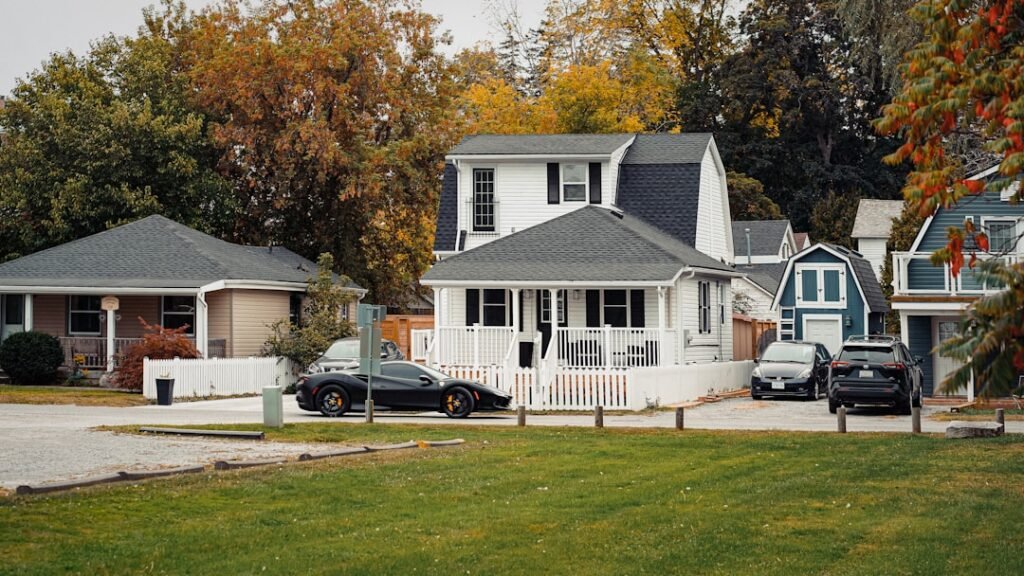
In New Jersey, the home improvement contractor license is a crucial credential for individuals and businesses engaged in the renovation, repair, or improvement of residential properties. This license is mandated by the New Jersey Division of Consumer Affairs and serves to protect consumers by ensuring that contractors meet specific standards of professionalism and competency. The licensing process is designed to filter out unqualified individuals, thereby safeguarding homeowners from potential fraud and substandard work.
The home improvement contractor license is not just a formality; it signifies that the contractor has undergone the necessary training and has a clear understanding of the legal and practical aspects of home improvement projects. The scope of work covered under this license is broad, encompassing everything from minor repairs to major renovations. This includes tasks such as roofing, siding, plumbing, electrical work, and general contracting.
However, it is important to note that certain specialized trades, such as plumbing and electrical work, may require additional licenses or certifications. The home improvement contractor license is essential for anyone looking to operate legally in this field, as it establishes a baseline of trust between contractors and clients. By obtaining this license, contractors demonstrate their commitment to quality workmanship and adherence to state regulations.
Key Takeaways
- Home improvement contractors in NJ are required to obtain a license to legally operate in the state.
- The application process for a home improvement contractor license in NJ involves several steps, including submitting required documents and fees.
- Background checks and insurance requirements are essential for obtaining a home improvement contractor license in NJ.
- Delays in obtaining a home improvement contractor license in NJ are common and can be caused by various factors.
- Operating without a home improvement contractor license in NJ can result in serious consequences, including fines and legal action.
Steps to Applying for a Home Improvement Contractor License
The journey to obtaining a home improvement contractor license in New Jersey begins with understanding the specific requirements set forth by the state. The first step is to ensure that you meet the eligibility criteria, which typically includes being at least 18 years old and having a high school diploma or equivalent. Additionally, applicants must not have any felony convictions that would disqualify them from holding a license.
Once eligibility is confirmed, prospective contractors should gather all necessary information and documentation required for the application process. After confirming eligibility, the next step involves completing the application form provided by the New Jersey Division of Consumer Affairs. This form requires detailed information about the applicant’s business structure, including whether they are applying as an individual or as part of a corporation or partnership.
It is essential to provide accurate information, as any discrepancies can lead to delays or even denial of the application. Once the application form is completed, it must be submitted along with the required fees and supporting documents, which will be discussed in detail in subsequent sections.
Required Documents and Fees for Obtaining a Home Improvement License
When applying for a home improvement contractor license in New Jersey, applicants must prepare a comprehensive set of documents to accompany their application. These documents typically include proof of identity, such as a government-issued photo ID, and evidence of business registration if applicable. Additionally, applicants may need to provide proof of experience in the home improvement field, which can be demonstrated through letters of recommendation from previous employers or clients.
This documentation serves to validate the applicant’s qualifications and experience in the industry. In terms of fees, applicants should be prepared to pay a non-refundable application fee when submitting their application. As of 2023, this fee is generally around $110, but it is advisable to check the latest fee schedule on the New Jersey Division of Consumer Affairs website for any updates or changes.
Furthermore, if the applicant operates under a business name, they may need to register that name with the state, which could incur additional costs. Understanding these financial obligations upfront can help applicants avoid surprises during the licensing process.
The Application Process for a Home Improvement License in NJ
Once all required documents are gathered and the application form is completed, applicants can submit their materials to the New Jersey Division of Consumer Affairs. The submission can typically be done online or via mail, depending on the preferences of the applicant. It is crucial to ensure that all documents are submitted in their entirety; incomplete applications are often returned for additional information, which can significantly delay the licensing process.
After submission, the application enters a review phase where state officials will assess the provided information for accuracy and completeness. This review process may take several weeks, during which applicants should remain patient but proactive. It is advisable to keep track of submission dates and maintain communication with the Division of Consumer Affairs to stay informed about any potential issues or additional requirements that may arise during the review process.
Background Checks and Insurance Requirements for Home Improvement Contractors
A significant aspect of obtaining a home improvement contractor license in New Jersey involves undergoing background checks and meeting specific insurance requirements. The state mandates that all applicants submit to a criminal background check as part of the licensing process. This check aims to ensure that individuals with serious criminal histories do not enter the home improvement industry, thereby protecting consumers from potential harm or fraud.
In addition to background checks, contractors are required to obtain liability insurance before they can be licensed. This insurance serves as a safeguard for both contractors and clients by providing financial protection in case of accidents or damages that occur during a project. Typically, contractors must carry at least $500,000 in liability coverage.
Proof of this insurance must be submitted with the application, demonstrating that the contractor is prepared to operate responsibly within the industry.
Timeframe for Processing a Home Improvement License Application
The timeframe for processing a home improvement contractor license application in New Jersey can vary based on several factors, including the volume of applications being processed at any given time and the completeness of each individual application. Generally speaking, applicants can expect a processing time ranging from four to six weeks after submission. However, this timeline can be extended if there are any issues with the application or if additional documentation is required.
To facilitate a smoother process, applicants should ensure that all forms are filled out correctly and that all required documents are included with their submission. Keeping copies of all submitted materials can also be beneficial in case any follow-up is needed. If an applicant has not received any communication regarding their application status after six weeks, it is advisable to reach out directly to the New Jersey Division of Consumer Affairs for an update.
Common Delays in Obtaining a Home Improvement License
Several common issues can lead to delays in obtaining a home improvement contractor license in New Jersey. One frequent cause of delay is incomplete applications; if any required information or documentation is missing, the application will be returned for correction or completion. This not only prolongs the process but can also lead to frustration for applicants who may have expected a quicker turnaround.
Another potential source of delay involves background checks. If an applicant has a complicated criminal history or if there are discrepancies in their provided information, this can lead to extended review times as state officials conduct further investigations. Additionally, fluctuations in application volume can impact processing times; during peak seasons when many contractors are applying for licenses simultaneously, applicants may experience longer wait times than usual.
Renewing and Maintaining a Home Improvement License in NJ
Once obtained, maintaining a home improvement contractor license in New Jersey requires ongoing compliance with state regulations and periodic renewal. Licenses must be renewed every two years; failure to do so can result in penalties or even revocation of the license. The renewal process typically involves submitting a renewal application along with any required fees and updated documentation proving continued compliance with insurance requirements.
Contractors should also stay informed about any changes in state regulations that may affect their licensing status or operational requirements. Engaging in continuing education opportunities can be beneficial not only for maintaining licensure but also for enhancing skills and knowledge within the industry. By staying proactive about renewal and compliance, contractors can ensure they remain in good standing with state authorities.
Consequences of Operating Without a Home Improvement License in NJ
Operating without a valid home improvement contractor license in New Jersey carries significant risks and consequences. First and foremost, unlicensed contractors may face legal repercussions, including fines and penalties imposed by state authorities. These fines can accumulate quickly and may become financially burdensome for individuals attempting to operate outside legal parameters.
Moreover, working without a license can severely damage a contractor’s reputation within the community. Homeowners are increasingly cautious about hiring unlicensed individuals due to concerns over quality and accountability. If an unlicensed contractor fails to deliver satisfactory work or if disputes arise regarding project outcomes, clients have limited recourse for seeking resolution or compensation.
This lack of protection not only jeopardizes individual projects but can also lead to long-term damage to a contractor’s professional credibility.
Resources and Support for Obtaining a Home Improvement License
For those navigating the licensing process, numerous resources are available to provide guidance and support throughout each step. The New Jersey Division of Consumer Affairs offers comprehensive information on its website regarding licensing requirements, application procedures, and frequently asked questions. Additionally, local trade associations often provide resources tailored specifically for contractors seeking licensure.
Networking with other licensed contractors can also prove invaluable; many experienced professionals are willing to share insights based on their own experiences with obtaining licenses and navigating regulatory requirements. Workshops and seminars hosted by industry organizations can further enhance understanding of best practices within the field while providing opportunities for professional development.
Tips for Expediting the Home Improvement License Process in NJ
To expedite the home improvement license process in New Jersey, applicants should take several proactive steps before submitting their applications. First and foremost, thoroughly reviewing all requirements outlined by the New Jersey Division of Consumer Affairs ensures that no critical information is overlooked during preparation. Creating a checklist of required documents can help streamline this process.
Additionally, submitting applications online—when available—can often lead to faster processing times compared to traditional mail submissions. Keeping communication lines open with state officials during the review phase allows applicants to address any questions or concerns promptly. Finally, ensuring that all fees are paid on time and accurately will prevent unnecessary delays related to financial discrepancies.
By following these guidelines and remaining organized throughout each stage of the licensing process, prospective home improvement contractors can enhance their chances of obtaining their licenses efficiently while positioning themselves for success within New Jersey’s competitive market.
If you are interested in becoming a home improvement contractor in New Jersey, you may also want to check out this article on how to become a better home contractor in Berkeley, California. This article provides valuable insights and tips on the licensing process and requirements for contractors in another state, which may offer some helpful information for those looking to obtain a home improvement license in New Jersey.
FAQs
What is a home improvement license in NJ?
A home improvement license in NJ is a certification that allows individuals or businesses to legally perform home improvement work in the state of New Jersey. This includes tasks such as construction, repair, remodeling, and other similar projects.
Why do I need a home improvement license in NJ?
In NJ, a home improvement license is required by law for anyone engaging in home improvement work that exceeds $500 in labor and materials. This requirement is in place to protect consumers from unscrupulous or unqualified contractors and to ensure that work is performed to a certain standard.
How long does it take to get a home improvement license in NJ?
The process of obtaining a home improvement license in NJ can vary, but typically it takes several weeks to several months to complete. This includes submitting an application, providing documentation, undergoing a background check, and potentially taking an exam.
What are the requirements for obtaining a home improvement license in NJ?
To obtain a home improvement license in NJ, applicants must meet certain requirements, which may include providing proof of insurance, submitting to a criminal background check, completing a specific amount of work experience, and potentially passing an exam.
How much does it cost to get a home improvement license in NJ?
The cost of obtaining a home improvement license in NJ can vary, but typically includes application fees, background check fees, and potentially exam fees. These costs can add up to several hundred dollars.
Can I operate without a home improvement license in NJ?
Operating without a home improvement license in NJ is illegal and can result in fines, penalties, and legal consequences. It is important to ensure that you are properly licensed before engaging in any home improvement work in the state.