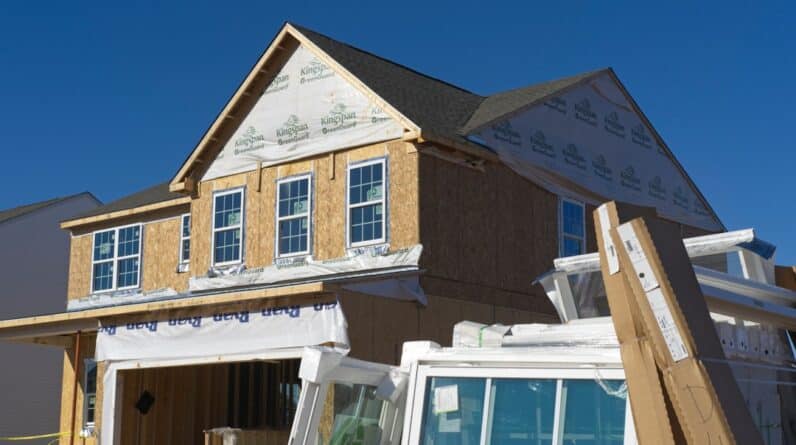
Is It Cheaper to Build or Buy in Texas?
When you think about investing in property in Texas, the first thing that comes to mind is the cost of land. Texas is known for its vast landscapes and diverse regions, which means that land prices can vary significantly depending on where you choose to buy. In urban areas like Austin, Dallas, and Houston, land prices tend to be higher due to demand and proximity to amenities.
You might find that a small plot in a bustling city can cost you a pretty penny, while rural areas offer more affordable options. This disparity can be a crucial factor in your decision-making process, especially if you’re working within a specific budget. However, it’s not just the price per acre that you should consider.
The zoning regulations, access to utilities, and the potential for future development can all influence the overall cost of land. If you’re eyeing a piece of land in a growing area, you might pay more upfront but could see significant appreciation in value over time. Conversely, purchasing land in a less developed area may seem like a bargain, but it could come with its own set of challenges, such as limited access to services or a longer commute to work and school.
Understanding these nuances will help you make an informed decision about where to invest your money.
Key Takeaways
- Land in Texas can range from ,000 to ,000 per acre in rural areas, to over million per acre in urban areas.
- Construction costs in Texas average around 0 to 0 per square foot, but can vary based on location and materials used.
- The cost of buying a home in Texas varies widely depending on location, with the median home price ranging from 0,000 to 0,000.
- Hidden costs of building a home in Texas can include permit fees, impact fees, and utility connection fees, which can add thousands of dollars to the overall cost.
- Built homes in Texas generally have a higher resale value compared to bought homes, due to customization and modern features.
Construction Costs in Texas
Factors Affecting Construction Costs
Building a home in Texas can be an exciting venture, but it’s essential to have a clear understanding of what you’re getting into financially. The average cost per square foot for construction can vary widely based on factors such as location, materials, and labor costs.
Location and Its Impact on Construction Costs
In metropolitan areas, you might find that construction costs are higher due to increased demand for skilled labor and premium materials. On the other hand, rural areas may offer lower costs but could also present challenges in sourcing materials and labor.
Home Design and Budgeting
The type of home you choose to build will significantly impact your overall construction costs. Custom homes with unique designs and high-end finishes will naturally come with a higher price tag than more standard models. You’ll also want to factor in the costs of permits, inspections, and any necessary site preparation work. It’s wise to create a detailed budget that includes all these elements to avoid any surprises down the line. By doing so, you can ensure that your dream home doesn’t turn into a financial nightmare.
Cost of Buying a Home in Texas

If building isn’t your preferred route, buying an existing home in Texas is another viable option. The cost of purchasing a home can vary greatly depending on the location and condition of the property. In cities like San Antonio or Fort Worth, you might find more affordable options compared to the pricier markets of Austin or Dallas.
However, even within these cities, neighborhoods can differ dramatically in price based on their desirability and amenities. When buying a home, it’s essential to consider not just the listing price but also other factors that contribute to the total cost of ownership. Property taxes in Texas can be relatively high compared to other states, so you’ll want to factor that into your budget.
Additionally, homeowners’ insurance rates can vary based on location and the age of the home. By taking all these elements into account, you can better assess whether buying an existing home aligns with your financial goals.
Hidden Costs of Building a Home in Texas
While building a home can be an exciting journey, it’s crucial to be aware of the hidden costs that often accompany this process. Many first-time builders underestimate expenses such as site preparation, landscaping, and utility connections. These costs can add up quickly and may not be included in your initial budget.
For instance, if your land requires extensive grading or clearing before construction can begin, you could face unexpected expenses that strain your finances. Moreover, there are often additional fees associated with permits and inspections that can catch you off guard. Each municipality has its own regulations and requirements, which means you’ll need to do your homework to ensure compliance.
It’s also wise to set aside a contingency fund for unforeseen expenses that may arise during construction. By being proactive about these hidden costs, you can better prepare yourself for the financial realities of building a home in Texas.
When considering whether to build or buy a home in Texas, resale value is an important factor to weigh. Generally speaking, homes that are well-built with quality materials tend to hold their value better over time compared to those that are poorly constructed or lack desirable features. If you decide to build your own home, investing in high-quality finishes and energy-efficient systems can enhance its resale value down the line.
On the other hand, existing homes may come with their own advantages when it comes to resale value. Homes located in established neighborhoods often have a proven track record of appreciation, making them potentially more attractive to future buyers. Additionally, if you purchase a home that has already undergone renovations or updates, you may find it easier to sell later on without needing to invest additional time or money into improvements.
Ultimately, understanding the market trends in your chosen area will help you make an informed decision about which option may yield better returns.
Maintenance and upkeep are ongoing responsibilities for any homeowner, whether you’ve built your own home or purchased an existing one. New homes typically come with warranties that cover certain repairs for a specified period, which can provide peace of mind as you settle into your new space. However, even new constructions require regular maintenance—think about landscaping, HVAC systems, and routine inspections—to keep everything running smoothly.
In contrast, older homes may require more immediate attention when it comes to repairs and upgrades. You might encounter issues such as outdated plumbing or electrical systems that need replacing sooner rather than later. While these homes may have character and charm, they often come with hidden maintenance costs that can add up over time.
By budgeting for these ongoing expenses from the outset, you can ensure that your investment remains sound regardless of whether you choose to build or buy.
Financing is another critical aspect of your decision-making process when it comes to building or buying a home in Texas. If you opt to build, you’ll likely need a construction loan that covers the cost of land acquisition and construction expenses. These loans typically have different terms than traditional mortgages and may require you to make interest-only payments during the construction phase before converting to a standard mortgage once the home is complete.
On the other hand, purchasing an existing home usually involves securing a conventional mortgage or government-backed loan such as an FHA or VA loan. These options often come with lower down payment requirements and fixed interest rates that make budgeting easier over time. Regardless of which route you choose, it’s essential to shop around for the best financing options available to you and consult with financial advisors who can guide you through the process.
Considerations for Location and Lifestyle in Texas
Finally, when deciding whether to build or buy a home in Texas, consider how location and lifestyle play into your decision. Texas is known for its diverse regions—each offering unique cultural experiences and lifestyle opportunities. If you prefer urban living with access to entertainment and dining options, cities like Austin or Houston may be ideal for you.
Conversely, if you’re drawn to a quieter lifestyle surrounded by nature, rural areas might be more appealing. Your choice of location will also impact your daily life—commuting times, school districts for children, and proximity to family and friends are all important factors to consider. Additionally, think about what amenities are important to you—whether it’s parks, shopping centers, or community events—when evaluating potential neighborhoods.
By aligning your housing choice with your lifestyle preferences and long-term goals, you can ensure that your investment serves not just as a financial asset but also as a place where you truly feel at home. In conclusion, whether you’re leaning towards building or buying a home in Texas, each option comes with its own set of costs and considerations. By carefully evaluating factors such as land prices, construction expenses, resale value, maintenance needs, financing options, and lifestyle preferences, you’ll be better equipped to make an informed decision that aligns with your financial goals and personal aspirations.
If you are considering building or buying a home in Texas, you may also be interested in reading about how architecture can be influenced by regional factors in a related article titled Architecture in Context: Aligning Regional Influences with Purpose and Inhabitants. This article explores how the design of a home can be tailored to its specific location and surroundings, creating a more harmonious living environment. Additionally, if you are looking for home contractors in other areas, you can check out Better Home Contractor in St. Charles, Missouri or Better Home Contractor in Turlock, California for more information.
FAQs

What are the factors to consider when deciding whether to build or buy in Texas?
Factors to consider include the cost of land, construction costs, location, desired features, and the current real estate market.
Is it generally cheaper to build or buy a home in Texas?
It depends on various factors such as location, size, and desired features. In some cases, building a home may be cheaper, while in others, buying an existing home may be more cost-effective.
What are the advantages of building a home in Texas?
Building a home allows for customization, energy efficiency, and the use of modern materials and technologies. It also provides the opportunity to choose the location and design of the home.
What are the advantages of buying a home in Texas?
Buying a home offers the advantage of immediate occupancy, established neighborhoods, and the potential for lower upfront costs compared to building a new home.
How does the real estate market in Texas impact the decision to build or buy?
The current real estate market in Texas, including factors such as housing inventory, interest rates, and home prices, can significantly impact the decision to build or buy a home.