Post-construction cleanup is a critical phase that often gets overlooked in the excitement of completing a building project. You may find yourself eager to move in or showcase your newly constructed space, but neglecting this essential step can lead to a myriad of issues. The importance of post-construction cleanup cannot be overstated; it ensures that the environment is safe, clean, and ready for use.
Dust, debris, and leftover materials can pose health risks and create an unwelcoming atmosphere. By prioritizing this cleanup, you not only enhance the aesthetic appeal of the space but also promote a healthier environment for occupants. Moreover, a thorough post-construction cleanup can significantly impact the longevity of your new structure.
Residual construction materials, such as dust and grime, can lead to wear and tear on surfaces if not addressed promptly. For instance, drywall dust can settle into HVAC systems, leading to inefficiencies and potential health hazards. By investing time and resources into a comprehensive cleanup, you are safeguarding your investment and ensuring that your new space remains in optimal condition for years to come.
This phase is not merely about aesthetics; it is about creating a functional and safe environment that reflects the quality of the construction work.
Key Takeaways
- Post-construction cleanup is important for ensuring a safe and clean environment for occupants and clients.
- Developing a post-construction cleanup checklist helps to ensure that all necessary tasks are completed in a systematic manner.
- Tools and equipment such as heavy-duty vacuums, dust masks, and protective gloves are essential for post-construction cleanup.
- Safety precautions including wearing appropriate personal protective equipment and following proper lifting techniques are crucial for preventing accidents and injuries during cleanup.
- Proper disposal and recycling of construction debris and waste is important for environmental sustainability and compliance with regulations.
Developing a Post-Construction Cleanup Checklist
Creating a post-construction cleanup checklist is an essential step in ensuring that no detail is overlooked during the cleanup process. You should start by breaking down the tasks into manageable categories, such as interior cleaning, exterior cleaning, and waste disposal. This structured approach allows you to systematically address each area of the property, ensuring that every corner is attended to.
For instance, under interior cleaning, you might include tasks like dusting surfaces, vacuuming carpets, and cleaning windows. By having a clear checklist, you can track your progress and ensure that all necessary tasks are completed. In addition to listing specific tasks, it’s also beneficial to assign responsibilities if you are working with a team.
Clearly defining who is responsible for each task can streamline the process and prevent any confusion. You might also want to include timelines for each task to keep everyone on track. For example, you could allocate a specific day for deep cleaning carpets and another for window washing.
This level of organization not only enhances efficiency but also helps maintain motivation among team members as they can see their progress in real-time.
Tools and Equipment Needed for Post-Construction Cleanup

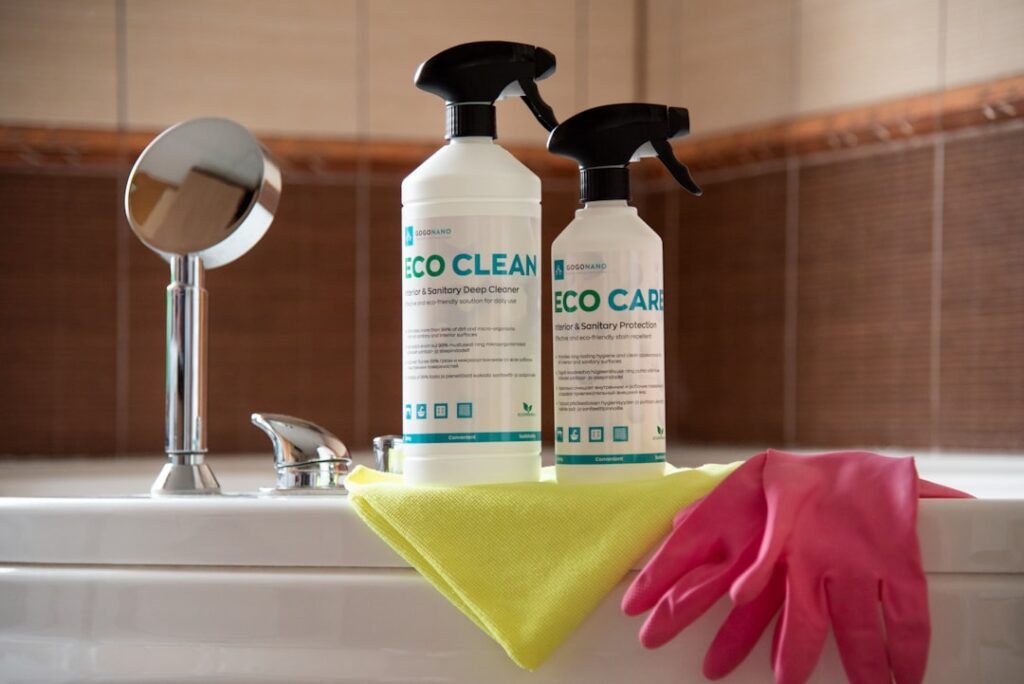
Equipping yourself with the right tools and equipment is vital for an effective post-construction cleanup. You may find that having a well-stocked toolkit can make all the difference in how efficiently you can tackle the various tasks at hand. Essential items include heavy-duty trash bags for debris collection, brooms and dustpans for sweeping up larger particles, and vacuum cleaners equipped with HEPA filters to capture fine dust.
Additionally, microfiber cloths are invaluable for dusting surfaces without leaving behind lint or scratches. Beyond basic cleaning supplies, consider investing in specialized equipment that can expedite the process. For instance, floor scrubbers can save time when cleaning large areas of flooring, while pressure washers are excellent for removing stubborn dirt from exterior surfaces.
If your project involved extensive painting or drywall work, you might also need scrapers and solvents to remove paint splatters or adhesive residues. By gathering the right tools ahead of time, you can ensure that your post-construction cleanup is both efficient and thorough.
Safety Precautions for Post-Construction Cleanup
Safety should always be a top priority during post-construction cleanup. The construction site can harbor various hazards, from sharp objects to toxic substances. Before you begin the cleanup process, take a moment to assess the area for potential risks.
Wearing appropriate personal protective equipment (PPE) is crucial; this includes gloves to protect your hands from cuts and scrapes, goggles to shield your eyes from dust and debris, and masks to prevent inhalation of harmful particles. In addition to personal safety gear, it’s important to be aware of your surroundings while working. Ensure that walkways are clear of obstacles to prevent tripping hazards, and be cautious when lifting heavy items to avoid injury.
If you encounter any hazardous materials—such as asbestos or lead paint—it’s best to consult with professionals who specialize in hazardous waste removal. By taking these precautions seriously, you can create a safer environment for yourself and anyone else involved in the cleanup process.
Dealing with Construction Debris and Waste
Managing construction debris and waste is one of the most significant challenges during post-construction cleanup. You may find yourself faced with various types of waste, including wood scraps, metal pieces, packaging materials, and more. The first step in dealing with this debris is to sort it into categories: recyclable materials, reusable items, and waste destined for disposal.
This sorting process not only helps in organizing the cleanup but also promotes environmentally responsible practices. Once sorted, you should identify local recycling facilities or waste management services that can handle construction debris. Many communities have specific guidelines regarding construction waste disposal, so it’s essential to familiarize yourself with these regulations to avoid fines or penalties.
For reusable items—such as leftover tiles or fixtures—consider donating them to local charities or organizations that accept building materials. By taking these steps, you contribute positively to the environment while ensuring that your cleanup process is efficient and compliant with local laws.
Cleaning Surfaces and Removing Stains

Cleaning surfaces after construction involves more than just a quick wipe-down; it requires attention to detail and the right techniques to ensure a thorough job. Start by addressing larger surfaces like walls and ceilings where dust has settled during construction. A damp cloth or sponge can effectively capture dust without spreading it around.
For stubborn stains—such as paint splatters or adhesive residues—you may need specialized cleaners or solvents designed for specific materials. When it comes to flooring, different surfaces require different cleaning methods. For hardwood floors, a gentle cleaner specifically formulated for wood is ideal; avoid excessive water that could warp the wood.
On the other hand, tile or vinyl flooring may benefit from a more robust cleaning solution that tackles grime effectively. Pay special attention to corners and edges where dirt tends to accumulate; using a toothbrush or small scrub brush can help reach these tight spaces effectively.
Final Inspections and Quality Control
Once the post-construction cleanup is complete, conducting final inspections is crucial to ensure that everything meets your standards before moving in or opening the space to others. This step involves walking through each area systematically, checking off items on your checklist as you go along. Look for any missed spots or areas that may require additional attention; sometimes, it’s easy to overlook small details in the excitement of completion.
Quality control also involves assessing whether all safety measures have been adhered to during the cleanup process. Ensure that all hazardous materials have been disposed of properly and that no dangerous debris remains on-site. If possible, consider having a second set of eyes review the space; another person may catch things you might have missed due to familiarity with the area.
This thorough inspection not only guarantees a clean environment but also instills confidence in the quality of your completed project.
Tips for Efficient and Effective Post-Construction Cleanup
To maximize efficiency during post-construction cleanup, consider implementing some strategic tips that can streamline the process. First and foremost, start with a plan; having a clear outline of tasks will help keep you focused and organized throughout the cleanup phase. Additionally, working in teams can significantly speed up the process; assign specific areas or tasks to different individuals based on their strengths.
Another effective strategy is to tackle larger tasks first before moving on to smaller details. For example, begin with removing large debris before focusing on dusting surfaces or cleaning windows. This approach prevents you from having to redo work if debris falls onto cleaned areas later on.
Lastly, don’t hesitate to take breaks; maintaining energy levels is essential for staying productive throughout what can be an exhaustive process. By following these tips, you can ensure that your post-construction cleanup is not only efficient but also yields impressive results that reflect the quality of your new space.
If you are looking for a reliable home contractor in Weston, Florida, you may want to check out Better Home Contractor. They offer a wide range of services, including post-construction cleanup. In fact, they have a systematic approach to follow for effective cleanup, ensuring that your home is left spotless after any construction project. Their attention to detail and commitment to customer satisfaction make them a top choice for homeowners in Weston and beyond.
FAQs
What is post-construction cleanup?
Post-construction cleanup refers to the process of cleaning and preparing a construction site or newly constructed building for occupation or use after the construction work is completed.
Why is post-construction cleanup important?
Post-construction cleanup is important to ensure that the construction site or building is safe, clean, and ready for occupancy. It also helps in removing debris, dust, and other construction-related waste, improving the overall appearance of the site or building.
Is there a checklist or systematic approach for effective post-construction cleanup?
Yes, there are several checklists and systematic approaches available for effective post-construction cleanup. These may include tasks such as removing debris, dusting and cleaning surfaces, cleaning windows, floors, and fixtures, and disposing of construction waste properly.
What are some common tasks included in a post-construction cleanup checklist?
Common tasks included in a post-construction cleanup checklist may include removing construction debris, dusting and wiping surfaces, cleaning windows, vacuuming and mopping floors, cleaning fixtures and appliances, and disposing of waste materials.
How can a systematic approach help in effective post-construction cleanup?
A systematic approach can help in effective post-construction cleanup by ensuring that all necessary tasks are completed in a logical and organized manner, leading to a thorough and efficient cleanup process. It can also help in prioritizing tasks and managing time effectively.