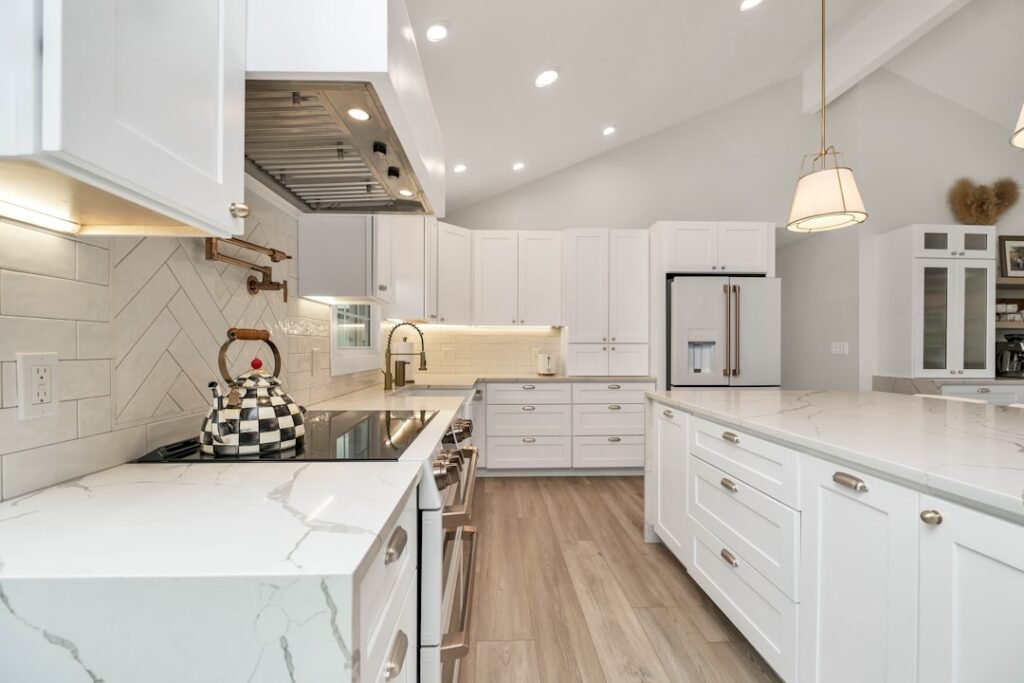
Historic Downtown McKinney, Texas, offers a unique tapestry of cobblestone streets, charming Victorian architecture, and a vibrant community spirit. For homeowners who have fallen in love with this picturesque setting, the prospect of a kitchen remodel can feel both exciting and daunting. It’s a delicate dance between preserving the soul of your historic property while infusing it with the functionality and modern comforts that a contemporary kitchen demands. This guide will walk you through the essential considerations when undertaking such a project, aiming to equip you with the knowledge to navigate the process successfully and create a kitchen that is both a beautiful homage to the past and a seamless extension of your present life.
Preserving the Architectural Integrity
When you choose to reside in Historic Downtown McKinney, you become a custodian of its rich heritage. Your kitchen remodel, therefore, isn’t just about updating appliances; it’s about thoughtfully integrating new elements without sacrificing the architectural character that makes your home – and the district – so special. The original materials, proportions, and detailing of your historic home are precious assets.
Understanding Historic District Guidelines
- The Role of the McKinney Historic Preservation Commission: Before you even sketch your first design idea, familiarize yourself with the regulations set forth by the McKinney Historic Preservation Commission. This body plays a crucial role in ensuring that any exterior modifications, and often interior ones that impact the building’s character, are in keeping with the historic fabric of the downtown area. Their guidelines are not designed to stifle your creativity but rather to safeguard the collective historical narrative of the district. Think of them as the guardians of the neighborhood’s memory.
- Permitting Processes and Approvals: Obtaining the necessary permits is a non-negotiable step. Understanding the application process, the types of documentation required, and the typical timelines will save you considerable stress. Engage with the commission early in your planning to understand what is permissible and what might require special consideration or waivers. This proactive approach can prevent costly delays and redesigns.
Material Palette: A Nod to the Past
- Authentic Materials and Modern Equivalents: Consider the original materials used in your home’s construction. Are there opportunities to incorporate similar wood species, stone types, or tile patterns in your new kitchen? This doesn’t necessarily mean hunting for impossibly rare or expensive antique fixtures. Many contemporary manufacturers offer beautifully crafted reproductions and historically inspired materials that can achieve an authentic look. For instance, instead of original salvaged lumber, you might find reclaimed wood or finely crafted wood flooring that mimics historical styles.
- Color Schemes and Finishes: The color palettes of historic eras often have a distinct feel. Research typical color schemes from the period your home was built. This can inform your choices for cabinetry, wall colors, tile backsplashes, and even countertop finishes. Subtle, natural tones and muted hues often lend themselves well to historic settings, creating a sense of timeless elegance.
Window and Door Considerations
- Matching Styles and Materials: If your kitchen remodel involves altering or replacing windows and doors, pay close attention to their historical counterparts. Look for designs that echo the original window styles – be it sash windows, transom windows, or leaded glass. The material of window frames also matters; wood, for instance, is often preferred in historic districts over vinyl or aluminum for its authentic appearance.
- Natural Light as a Design Element: Historic homes often have smaller, more numerous windows. Rather than dramatically altering the window openings, consider how to maximize the natural light that already exists. Skylights, if permissible and integrated discreetly, can be an option, but always consult with the commission first. Emphasize this natural light with well-chosen reflective surfaces and lighting designs.
If you’re considering a kitchen remodeling project in Historic Downtown McKinney, Texas, you might find inspiration and valuable insights in a related article about home renovations. This article discusses various aspects of remodeling, including design trends and contractor tips, which can be particularly useful for homeowners looking to enhance their kitchens. To explore more about home improvement ideas, check out this informative piece at Better Home Contractor.
Functionality Meets Timeless Aesthetics
While architectural preservation is paramount, your kitchen must also function for your modern lifestyle. The challenge lies in weaving contemporary conveniences into the historical framework seamlessly, so they enhance, rather than detract from, the overall character.
Cabinetry: Tradition with a Twist
- Door Styles and Hardware: Cabinetry is the workhorse of any kitchen and a significant visual element. Consider traditional Shaker-style doors, raised-panel, or beaded inset cabinetry, which are commonly found in historic homes. For hardware, opt for classic styles like bin pulls, latches, or knob-and-rosette designs in finishes such as oil-rubbed bronze, brushed nickel, or antique brass. These choices act as the jewels of your kitchen, adding refined detail.
- Layout Optimization: Historic homes often have smaller, more confined kitchen spaces. A smart layout is crucial. Think about creating distinct zones for cooking, prep, and serving. Consider how to maximize storage without overwhelming the space with bulky units. Options like tiered drawers, pull-out pantries, and appliance garages can discreetly house modern conveniences.
- intégration of Modern Appliances: The integration of your new appliances should be considered from the outset. You can achieve a cohesive look by opting for panel-ready appliances that blend seamlessly with your cabinetry. Alternatively, choose appliances with a classic aesthetic that complements the period feel, such as a vintage-style range or a farmhouse sink.
Countertops: Durability and Design Harmony
- Material Choices: For countertops, you have a range of options that can bridge the gap between historical charm and modern practicality. Natural stone like granite or marble, with their inherent beauty and durability, can be excellent choices. Consider honed or leathered finishes for a less reflective, more aged appearance. Butcher block can add warmth and a rustic touch, particularly if it aligns with the home’s original materials. For a more budget-friendly yet durable option, consider quartz in colors and patterns that mimic natural stone or have a timeless appeal.
- Edge Profiles: The edge profile of your countertops can also contribute to the overall aesthetic. Ogee, cove, or simple beveled edges can add a subtle touch of historical detail without being overly ornate.
Flooring: The Foundation of Your Space
- Wood Flooring: Original hardwood floors are a treasure. If yours are salvageable, refinishing them is often the best option. If new flooring is required, consider wide-plank wood floors in a natural or stained finish that complements the period. Pine, oak, and maple are common choices for historic homes.
- Tile Options: Ceramic or porcelain tiles in various patterns and sizes can also be appropriate. Consider subway tiles for backsplashes or flooring, or explore patterns like hex, penny rounds, or classic squares. The color of the grout can significantly impact the overall look; consider a color that offers subtle contrast or blends harmoniously with the tile.
Integrating Modern Technology and Conveniences
The heart of a modern kitchen lies in its efficiency and ability to support contemporary life. Remodeling your historic downtown McKinney kitchen offers the perfect opportunity to integrate these elements discreetly and thoughtfully, enhancing your cooking experience without compromising the home’s charm.
Lighting: Illuminating Your Space
- Layered Lighting: A well-designed lighting scheme is crucial for both functionality and ambiance. Layer your lighting with ambient, task, and accent lights. Recessed lighting can provide general illumination, but consider fixtures that have a more traditional appearance. Pendant lights over an island or sink can become decorative focal points.
- Cabinet and Undercabinet Lighting: This type of lighting is invaluable for task illumination and can also create a warm glow. It’s a highly effective way to brighten your workspace without the need for overly intrusive overhead fixtures.
- Historic-Style Fixtures: Choose light fixtures that complement the architectural style of your home. Consider fixtures with wrought iron, brass, or dark bronze finishes, and styles like chandeliers, sconces, or lantern-style pendants.
Plumbing and Fixtures: A Touch of Elegance
- Sink Choices: The kitchen sink is a focal point. A farmhouse sink, with its deep basin and apron-front design, is a popular choice for historic homes, offering both aesthetic appeal and practical functionality. Undermount sinks can create a cleaner look, but consider how they will integrate with your countertop material and cabinet style.
- Faucet Styles: Select faucets that echo the era of your home. Bridge faucets, gooseneck designs, or cross-handle faucets in finishes like polished nickel, oil-rubbed bronze, or brushed gold can add a refined touch.
- Modern Conveniences: Consider how to integrate modern plumbing conveniences discreetly. This might involve choosing a garbage disposal that is quieter or a water filtration system that can be hidden within cabinetry.
Ventilation and Appliance Integration
- Range Hoods: The right range hood can be both a functional necessity and a design statement. For a historic aesthetic, consider a custom-hood fabricated from metal that matches your fixtures, or a more traditional insert that blends with your cabinetry. Ensure it’s powerful enough for your cooking needs but also designed to be aesthetically pleasing.
- Integrated Appliances: As mentioned, panel-ready appliances are excellent for maintaining a seamless look. For freestanding appliances, select models that have a timeless design. This might mean choosing a range with a classic dial control or a refrigerator with a more traditional handle style.
The Importance of Professional Guidance
Embarking on a kitchen remodel in a historic district is akin to navigating a well-trodden, yet complex, path. The expertise of professionals who understand both modern construction techniques and the nuances of historic preservation is invaluable.
Architects and Designers Specializing in Historic Properties
- Understanding the Constraints and Opportunities: Architects and interior designers with experience in historic renovations can offer insights into how to best adapt your space while respecting its original character. They are adept at identifying opportunities for improved flow and functionality within existing structural limitations. They can also help you navigate the often-complex requirements of the historic commission.
- Material and Style Research: These professionals can further guide your material selections, ensuring they are both appropriate for the historic context and suitable for your budget and lifestyle. They can also help you avoid common pitfalls and costly mistakes.
General Contractors with Historic Renovation Experience
- Skilled Craftsmanship: Finding a general contractor who has direct experience with historic homes is crucial. They will understand the unique challenges of working with older structures, such as potential structural issues, existing plumbing and electrical systems, and the need for careful demolition and material handling.
- Navigating Local Regulations: A contractor familiar with McKinney’s building codes and historic district regulations can streamline the permitting and inspection process, ensuring your project stays on track and compliant. They will be your on-site champion, coordinating all aspects of the renovation.
If you’re considering a kitchen remodeling project in Historic Downtown McKinney, Texas, you might find inspiration in a related article that discusses innovative home renovations. This piece highlights various design trends and practical tips for transforming your kitchen into a modern culinary space while preserving its historical charm. For more insights, check out this informative article on home renovations at Better Home Contractor.
Budgeting and Long-Term Value
A kitchen remodel is a significant investment. In Historic Downtown McKinney, this investment extends beyond just the cost of materials and labor; it contributes to the preservation and enhancement of a cherished community asset.
Realistic Budgeting for Historic Homes
- Contingency Funds: Historic homes can hold surprises. It’s prudent to establish a contingency fund of at least 15-20% of your estimated budget to account for unforeseen issues that may arise once demolition begins. This could include discovering outdated wiring, plumbing problems, or structural weaknesses that require immediate attention.
- Prioritizing Investments: Determine your priorities. Are you focused on updating the core functionality, enhancing the aesthetic, or a balance of both? Clearly defined priorities will guide your spending and help you make informed decisions when faced with budget choices.
Enhancing Your Home’s Value
- Preservation as an Investment: A well-executed historic kitchen remodel does not diminish your home’s value; it enhances it. Buyers are increasingly drawn to the unique charm and character of historic properties. A thoughtfully modernized kitchen makes your home more appealing and livable without erasing its historical narrative.
- Long-Term Durability: Investing in quality materials and skilled craftsmanship for your historic kitchen remodel ensures its longevity. This means fewer repairs and replacements down the line, making it a wise financial decision in the long run. Your kitchen will become a testament to your commitment to preserving and celebrating the unique heritage of Historic Downtown McKinney.
Your kitchen remodel in Historic Downtown McKinney is an opportunity to weave your contemporary life into the rich tapestry of the past. By approaching the project with respect for architectural integrity, a keen eye for functional design, and the guidance of experienced professionals, you can create a space that is not only a joy to cook in but also a beautiful and enduring tribute to the unique charm of your historic home.
FAQs
What are common features of kitchen remodeling in Historic Downtown McKinney, Texas?
Common features include preserving the historic charm with vintage cabinetry, using reclaimed wood, incorporating farmhouse sinks, and selecting period-appropriate fixtures while updating appliances for modern functionality.
Are there any regulations for remodeling kitchens in Historic Downtown McKinney?
Yes, remodeling projects in Historic Downtown McKinney often need to comply with local historic preservation guidelines to maintain the architectural integrity of the area. Homeowners may need approval from the McKinney Historic Preservation Board.
What styles are popular for kitchen remodeling in this area?
Popular styles include farmhouse, rustic, and traditional designs that complement the historic character of the neighborhood. Many homeowners blend modern amenities with classic design elements.
How long does a typical kitchen remodel take in Historic Downtown McKinney?
The duration varies depending on the scope of work but generally ranges from 6 to 12 weeks. Projects involving structural changes or historic preservation approvals may take longer.
Can I incorporate modern appliances in a historic kitchen remodel?
Yes, modern appliances can be integrated seamlessly into historic kitchen designs by choosing styles and finishes that blend with the overall aesthetic, such as retro-style appliances or built-in units that maintain the period look.