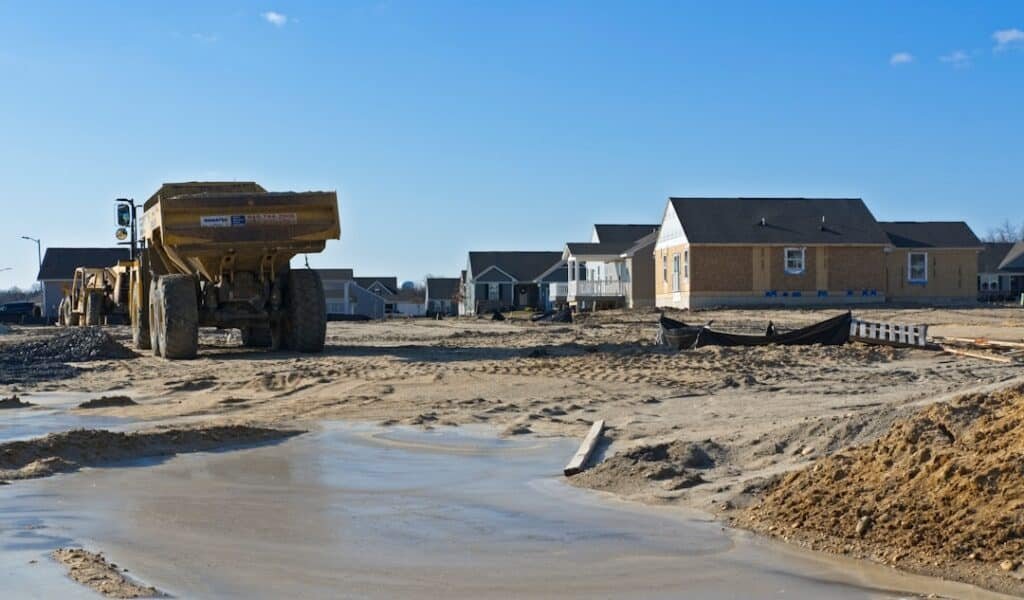
When you embark on a home construction project in Gilbert, Arizona, whether it’s a modest renovation or an ambitious new build, the foundation of your endeavor rests upon selecting a qualified and licensed general contractor. This isn’t merely a bureaucratic hurdle; it’s a crucial step that underpins the safety, legality, and ultimate success of your investment. Think of a licensed contractor as the architect of your project’s integrity, ensuring that the structure not only stands but is built to last, adhering to the rigorous standards set forth by the state of Arizona and the town of Gilbert. This comprehensive guide will illuminate the process, highlighting the essential considerations and benefits of engaging with licensed home construction contractors in Gilbert, AZ.
The Importance of Licensure
The requirement for licensure is not an arbitrary rule designed to complicate your life. Instead, it serves as a vital safeguard for consumers, a mechanism to ensure that those performing construction work possess the requisite knowledge, skills, and understanding of building codes and safety regulations.
What Licensure Signifies
- Demonstrated Competence: Securing a license indicates that an individual or company has met specific criteria established by the Arizona Registrar of Contractors (AZ ROC). These criteria often include passing examinations on business management, law, and trade-specific knowledge. This vetting process aims to filter out those who lack the fundamental understanding necessary to undertake construction projects responsibly.
- Adherence to Legal Standards: Licensed contractors are legally obligated to comply with all applicable building codes, zoning regulations, and safety standards. This includes proper permitting, inspections, and ensuring that work is performed in a manner that prevents structural failures, fire hazards, and other potential dangers.
- Financial Responsibility: Many licensing bodies require contractors to carry specific types of insurance, such as general liability and workers’ compensation. This protects you, the homeowner, from financial repercussions should an accident occur on your property or if materials and workmanship prove defective.
- Consumer Protection: The licensing framework provides a recourse for homeowners who may encounter issues with a contractor. The AZ ROC can investigate complaints and take disciplinary action against licensed contractors who violate regulations, which can range from fines to license suspension or revocation. This offers a layer of protection that unlicensed individuals simply cannot provide.
- Trust and Credibility: In the construction industry, trust is paramount. A valid license acts as a stamp of approval, signaling that the contractor has undergone a formal review and has demonstrated a commitment to operating within the established legal and ethical framework. This can significantly alleviate concerns and foster a smoother working relationship.
The Risks of Unlicensed Work
Engaging an unlicensed contractor is akin to building your house on shifting sands. While the immediate cost might appear lower, the long-term consequences can be financially devastating and even dangerous.
- Lack of Accountability: Unlicensed contractors operate outside the purview of regulatory bodies. If a project goes awry due to poor workmanship, structural defects, or code violations, you may have limited legal recourse. They are not beholden to any licensing board, making it difficult to hold them accountable for their actions.
- Insurance and Liability Gaps: Unlicensed contractors are unlikely to carry the necessary insurance. If a worker is injured on your property, you could be held liable for medical expenses and lost wages. Similarly, if faulty work causes damage to your home or adjacent properties, you may bear the full cost of repairs.
- Substandard Workmanship: Without the formal training and testing required for licensure, unlicensed individuals may lack the technical expertise to execute projects correctly. This can lead to a cascade of problems, from leaky roofs and cracked foundations to compromised electrical systems and plumbing failures.
- Permitting and Inspection Issues: Unlicensed contractors may bypass the permitting process, leading to significant legal and financial ramifications for the homeowner. Unpermitted work can cause issues when trying to sell your home in the future, and you may be forced to tear down or correct the work at your own expense.
- Potential for Scams: Unfortunately, the construction industry can attract unscrupulous individuals. Unlicensed operators may misrepresent their abilities, demand upfront payments for work they don’t complete, or disappear entirely once they have your money, leaving you with a half-finished or severely flawed project.
For those interested in the nuances of home construction in Gilbert, AZ, a related article that delves into the importance of incorporating local architectural influences into modern designs can be found at this link: Embracing the Local Essence: Infusing Regional Architectural Influences into Modern Designs. This article highlights how regional characteristics can enhance the aesthetic and functional aspects of home construction, making it particularly relevant for licensed contractors in the area.
Finding Licensed Contractors in Gilbert, AZ
The process of identifying licensed home construction contractors in Gilbert, AZ, involves a systematic approach that prioritizes due diligence. It’s a hunt for a trusted partner who understands your vision and possesses the expertise to bring it to reality.
Utilizing the AZ ROC Database
The Arizona Registrar of Contractors (AZ ROC) is the primary governmental body responsible for licensing and regulating contractors in the state. Their website is an invaluable resource for homeowners.
- Online Verification Tool: The AZ ROC provides an online database where you can search for contractors by name or license number. This tool allows you to confirm if a contractor holds a valid license, review their license class (which dictates the types of projects they are qualified to undertake), and check for any disciplinary actions or complaints.
- License Classifications: Understanding license classifications is crucial. For residential projects, you’ll typically be looking for contractors with classifications such as Residential Contractor (CR-17), General Commercial Contractor (GC-2), or specialized licenses depending on the scope of work (e.g., plumbing, electrical, roofing). The AZ ROC website provides detailed explanations of these classifications.
- Complaint History: While a clean record is ideal, reviewing a contractor’s complaint history can offer valuable insights. It’s important to distinguish between minor issues that were resolved and significant unresolved complaints or violations.
The Role of Local Resources
Beyond the state regulator, local resources can also be instrumental in your search.
- Town of Gilbert Building Department: The Town of Gilbert’s Building Department plays a vital role in ensuring that construction projects comply with local ordinances and building codes. While they don’t license contractors directly, they work closely with licensed professionals and can sometimes offer guidance on local requirements and the importance of using licensed professionals.
- Home Builders Association (HBA): Local HBAs, such as the Home Builders Association of Central Arizona, often maintain directories of member contractors who adhere to a code of ethics. While membership doesn’t guarantee licensure, it can indicate a commitment to professionalism and industry standards.
- Referral Networks: While not a substitute for independent verification, asking trusted friends, family, neighbors, or colleagues who have recently completed construction projects for recommendations can be a starting point. However, always remember to independently verify the licensure and qualifications of any referred contractor.
The Bid and Proposal Process
Once you have a shortlist of licensed contractors, the next phase involves soliciting bids and proposals. This is where you compare apples to apples, ensuring you understand the scope, cost, and timeline of each offer.
Understanding the Scope of Work
A clearly defined scope of work is the bedrock of any successful construction project. It acts as a blueprint for expectations and prevents misunderstandings down the line.
- Detailed Specifications: Your request for proposals (RFP) should be as detailed as possible. This includes architectural plans, material specifications, desired finishes, and any unique requirements of your project. The more precise you are, the more accurate the bids will be.
- Clarifying Ambiguities: Don’t hesitate to ask clarifying questions of each contractor regarding their proposed scope of work. If something is unclear or seems omitted, seek immediate clarification to avoid future disputes.
- Change Order Protocol: It’s wise to establish a clear protocol for change orders before work begins. This outlines how changes to the original scope will be documented, approved, and factored into the cost and timeline.
Comparing Proposals
When evaluating multiple bids, it’s essential to look beyond the bottom line. A low bid can sometimes mask underlying issues.
- Line-Item Breakdown: Request a detailed line-item breakdown of costs for materials, labor, permits, and any subcontractors. This allows you to see where the money is being allocated and to identify potential areas where one contractor might be significantly higher or lower than others.
- Material Equivalencies: If a contractor proposes alternative materials, understand the exact specifications and quality differences compared to your original request. Ensure that any proposed substitutions meet your standards and expectations.
- Timeline and Phasing: Carefully examine the proposed project timeline. Consider the overall duration, the sequencing of tasks, and any potential delays. A contractor who significantly underbids the timeline may be unrealistic, leading to rushed work and compromised quality.
- Contingency Planning: Inquire about the contractor’s contingency planning. What happens if unforeseen issues arise? A reputable contractor will have a plan for addressing unexpected challenges and will communicate these proactively.
The Contractual Agreement
The construction contract is the legal framework that governs your relationship with the licensed contractor. It’s a critical document that protects both parties and should be reviewed meticulously.
Essential Contractual Elements
A well-drawn construction contract acts as your shield and sword, defining responsibilities and outlining recourse.
- Detailed Scope of Work: As mentioned previously, the contract must precisely reiterate the agreed-upon scope of work, referencing any approved plans and specifications.
- Payment Schedule: The contract should clearly outline the payment schedule, including any required upfront deposit, progress payments tied to specific project milestones, and the final payment upon completion and acceptance. Avoid large upfront payments.
- Completion Date and Penalties: A definitive completion date, or a defined period for completion after a specific starting point, should be included. Consider clauses for liquidated damages or penalties if the contractor fails to meet agreed-upon deadlines without valid justification.
- Warranties and Guarantees: Understand the warranties offered on both materials and workmanship. Licensed contractors typically provide a warranty on their labor, and manufacturers will offer warranties on their products.
- Change Order Process: Formalize the process for handling change orders within the contract, ensuring that all changes are documented in writing, signed by both parties, and clearly state the cost and time implications.
- Insurance and Indemnification: The contract should confirm that the contractor carries the required insurance (general liability and workers’ compensation) and include indemnification clauses that protect you from claims arising from the contractor’s negligence.
- Dispute Resolution: A clause outlining the process for resolving disputes, such as mediation or arbitration, can be beneficial in preventing costly and protracted legal battles.
The Importance of Written Agreements
Verbal agreements in construction are as fragile as a house of cards in a hurricane. Always insist on a comprehensive written contract.
- Legal Binding Document: A written contract provides a legally binding agreement that both parties can refer to. It removes ambiguity and serves as a crucial piece of evidence if a dispute arises.
- Protection Against Misunderstandings: The act of putting everything in writing forces a thorough discussion and agreement on all project aspects, minimizing the chances of misinterpretations or forgotten details.
- Framework for Accountability: The contract clearly defines the responsibilities and obligations of both the homeowner and the contractor, creating a framework for accountability throughout the project.
- Redress in Case of Breach: If one party fails to uphold their end of the agreement, the written contract provides the basis for seeking legal redress.
If you’re considering hiring a Licensed Home Construction Contractor in Gilbert, AZ, it’s essential to understand the various services they offer and how they can enhance your home. For instance, many contractors specialize in home remodeling and repair, which can significantly improve your living space. A related article that provides valuable insights into home remodeling and repair can be found here. This resource can help you make informed decisions about your home improvement projects.
During the Construction Process
Once construction begins, your role shifts from selection to oversight. Regular communication and diligent monitoring are key to a smooth process.
Maintaining Open Communication
Effective communication is the mortar that holds the project together.
- Regular Site Visits: Schedule regular site visits to observe progress and address any questions or concerns that may arise.
- Scheduled Meetings: Establish a schedule for regular meetings with your contractor to discuss progress, upcoming tasks, and any potential issues.
- Document Everything: Keep detailed records of all communications, including emails, meeting minutes, and any written agreements or change orders.
- Proactive Issue Resolution: If you identify an issue, bring it to the contractor’s attention immediately. Addressing problems early often prevents them from escalating into larger, more costly issues.
Quality Control and Inspections
Your licensed contractor is responsible for adhering to building codes, but your own vigilance is also essential.
- Understanding Project Milestones: Be aware of the key project milestones and the inspections that are required by the town of Gilbert at these stages.
- Third-Party Inspections: For larger or more complex projects, you may consider hiring an independent third-party inspector to provide an objective assessment of the work at various stages.
- Material Verification: Ensure that the materials being used are consistent with those specified in your contract.
- Adherence to Plans: Periodically review the progress against the approved plans to ensure that the work is being executed as intended.
By diligently following these steps and prioritizing the engagement of licensed home construction contractors in Gilbert, AZ, you significantly enhance the likelihood of a successful, safe, and legally compliant construction project, transforming your vision into a tangible reality.
FAQs
What does it mean to be a licensed home construction contractor in Gilbert, AZ?
A licensed home construction contractor in Gilbert, AZ, is a professional who has met the state and local requirements to legally perform residential construction work. This includes passing necessary exams, obtaining insurance, and adhering to building codes and regulations.
Why is it important to hire a licensed contractor for home construction in Gilbert?
Hiring a licensed contractor ensures that the builder is qualified, knowledgeable about local building codes, and accountable for their work. It also provides legal protection for homeowners and helps guarantee that the construction meets safety and quality standards.
How can I verify if a home construction contractor is licensed in Gilbert, AZ?
You can verify a contractor’s license status by checking the Arizona Registrar of Contractors website or contacting the Gilbert city office. These resources provide up-to-date information on licensing, complaints, and disciplinary actions.
What types of projects can a licensed home construction contractor in Gilbert handle?
Licensed contractors in Gilbert can manage a variety of residential projects, including new home construction, remodeling, additions, roofing, plumbing, electrical work, and other specialized home improvement tasks.
Are there any specific regulations or permits required for home construction in Gilbert, AZ?
Yes, home construction projects in Gilbert typically require permits and must comply with local zoning laws, building codes, and safety regulations. Licensed contractors are familiar with these requirements and can help secure the necessary permits before starting work.