Navigating the Wilderness: Site Preparation for Urban Development
When embarking on any construction or development project, the significance of site preparation cannot be overstated. You may think of it as the foundation upon which your entire project will stand. Proper site preparation lays the groundwork for a successful build, ensuring that the land is ready to support the structures and activities planned for it.
This initial phase involves a comprehensive assessment of the site, including its topography, soil composition, and existing vegetation. By taking the time to thoroughly prepare the site, you can mitigate potential issues that may arise later in the construction process, saving both time and resources. Moreover, effective site preparation can enhance the overall safety and efficiency of your project.
By identifying and addressing potential hazards early on, you can create a safer working environment for everyone involved. This proactive approach not only protects workers but also minimizes the risk of costly delays caused by unforeseen complications. As you delve into the intricacies of site preparation, you will come to appreciate its role in establishing a solid foundation for your project, both literally and figuratively.
Key Takeaways
- Proper site preparation is crucial for the success of any construction project
- Assessing environmental impact is essential to minimize negative effects on the surrounding ecosystem
- Clearing and grading the land should be done carefully to avoid erosion and soil compaction
- Addressing soil and drainage issues is important to ensure stability and prevent water damage
- Planning for infrastructure and utilities is necessary for the functionality of the site and surrounding area
Assessing Environmental Impact
As you begin to prepare your site, it is crucial to assess the environmental impact of your project. This step involves evaluating how your construction activities will affect the surrounding ecosystem, including local wildlife, vegetation, and water resources. By conducting an environmental impact assessment (EIA), you can identify potential negative consequences and develop strategies to mitigate them.
This not only helps protect the environment but also ensures compliance with local regulations and community expectations. In addition to regulatory compliance, understanding the environmental impact of your project can enhance its long-term sustainability. You may find that by incorporating eco-friendly practices into your design and construction processes, you can reduce your project’s carbon footprint and promote biodiversity.
Engaging with environmental experts during this phase can provide valuable insights and help you make informed decisions that align with both your project goals and environmental stewardship.
Clearing and Grading the Land

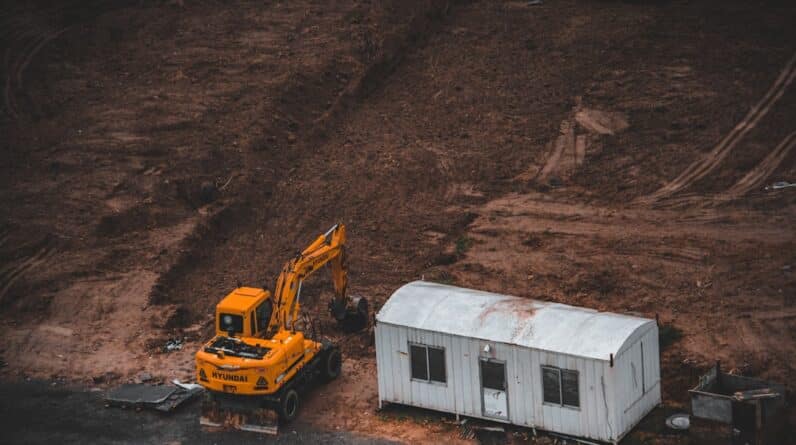
Once you have assessed the environmental impact, the next step in site preparation is clearing and grading the land. This process involves removing any obstacles such as trees, shrubs, and debris that may hinder construction activities. You may find that this step is not just about clearing space; it also involves careful consideration of how to preserve valuable natural features while preparing the site for development.
For instance, you might choose to selectively clear certain areas to maintain a buffer of trees or vegetation that can provide habitat for local wildlife. Grading is equally important as it involves leveling the land to create a stable base for construction. You will need to consider factors such as drainage patterns and soil stability during this phase.
Proper grading ensures that water flows away from structures, reducing the risk of flooding or erosion in the future. As you work through this process, it is essential to keep in mind that effective clearing and grading can significantly influence the overall success of your project.
Addressing Soil and Drainage Issues
Soil quality and drainage are critical components of site preparation that require your attention. Before beginning construction, you should conduct soil tests to determine its composition, stability, and drainage capabilities. Understanding these factors will help you make informed decisions about foundation design and landscaping.
If you discover that the soil is too sandy or clay-heavy, you may need to implement soil stabilization techniques or consider alternative foundation solutions. In addition to soil quality, addressing drainage issues is vital for preventing future problems. Poor drainage can lead to water accumulation around foundations, resulting in structural damage over time.
You may need to install drainage systems or create swales to direct water away from buildings. By proactively addressing these concerns during site preparation, you can ensure a more durable and resilient structure that stands the test of time.
Planning for Infrastructure and Utilities
As you move forward with site preparation, planning for infrastructure and utilities becomes paramount. This phase involves mapping out where essential services such as water, electricity, sewage, and telecommunications will be located. You will need to coordinate with utility providers to ensure that these services are accessible and properly integrated into your project design.
This planning stage is crucial for avoiding costly delays during construction when utility connections are needed. Additionally, considering future infrastructure needs is essential for long-term project success. As urban areas grow and evolve, you may want to anticipate changes in demand for services or transportation access.
By incorporating flexible designs that allow for future expansion or modification, you can create a more adaptable project that meets the needs of its users over time. Thoughtful planning during this phase can significantly enhance the functionality and livability of your development.
Protecting Natural Resources

In today’s world, protecting natural resources is more important than ever, especially during construction projects. As you prepare your site, consider how your activities may impact local ecosystems and resources such as water, air quality, and biodiversity. Implementing measures to minimize disruption can help preserve these vital resources for future generations.
For instance, you might choose to implement erosion control practices or establish buffer zones around sensitive habitats. Moreover, engaging with local communities and stakeholders can provide valuable insights into how best to protect natural resources in your area. By fostering open communication and collaboration, you can develop strategies that align with community values while also meeting your project goals.
This approach not only enhances your project’s reputation but also contributes to a more sustainable future for all involved.
Working with Local Regulations and Permits
Navigating local regulations and obtaining necessary permits is a critical aspect of site preparation that requires your attention. Each municipality has its own set of rules governing land use, zoning, environmental protection, and construction standards. Familiarizing yourself with these regulations early in the process can save you time and frustration down the line.
You may need to consult with local authorities or legal experts to ensure compliance with all applicable laws. Obtaining permits can be a lengthy process, so it’s wise to start this phase as soon as possible. You may find that some permits require extensive documentation or public hearings before approval is granted.
By being proactive in addressing these requirements, you can keep your project on schedule while avoiding potential legal complications later on. Understanding local regulations not only helps streamline your project but also fosters positive relationships with community stakeholders.
Implementing Sustainable Practices
As you finalize your site preparation plans, consider how you can implement sustainable practices throughout your project. Sustainability is no longer just a trend; it has become an essential aspect of responsible development. You might explore options such as using recycled materials, incorporating renewable energy sources, or designing green spaces that promote biodiversity within your development.
Additionally, educating yourself about sustainable construction techniques can lead to innovative solutions that benefit both your project and the environment. For example, utilizing permeable paving materials can help manage stormwater runoff while enhancing the aesthetic appeal of your site. By prioritizing sustainability during site preparation and beyond, you contribute to a healthier planet while also appealing to environmentally conscious consumers.
In conclusion, effective site preparation is a multifaceted process that requires careful consideration of various factors ranging from environmental impact assessments to sustainable practices. By taking a comprehensive approach to site preparation, you set the stage for a successful construction project that meets both immediate needs and long-term goals. As you navigate this complex landscape, remember that thorough planning and proactive measures will ultimately lead to a more resilient and sustainable development.
If you are interested in learning more about site preparation for urban development, you may want to check out the article on Better Home Contractor in Stamford, Connecticut. This article provides valuable insights and tips on how to navigate the wilderness of urban development and prepare a site effectively. It offers practical advice and expert guidance to help you successfully develop your urban project.
FAQs
What is site preparation for urban development?
Site preparation for urban development refers to the process of getting a piece of land ready for construction and development in an urban area. This includes clearing the land, grading the site, and preparing it for the installation of infrastructure such as roads, utilities, and buildings.
Why is site preparation important for urban development?
Site preparation is important for urban development because it sets the stage for the construction of buildings, roads, and other infrastructure. Proper site preparation ensures that the land is suitable for development and that the resulting structures will be safe and stable.
What are the steps involved in site preparation for urban development?
The steps involved in site preparation for urban development typically include clearing the land of vegetation and debris, grading the site to ensure proper drainage and stability, and preparing the site for the installation of infrastructure such as roads, utilities, and buildings.
What are some common challenges in site preparation for urban development?
Common challenges in site preparation for urban development include dealing with environmental regulations, managing the disposal of waste and debris, and ensuring that the site is properly graded and drained to prevent erosion and flooding.
What are some best practices for site preparation for urban development?
Best practices for site preparation for urban development include conducting a thorough site assessment, obtaining the necessary permits and approvals, following environmental regulations, and working with experienced professionals to ensure that the site is properly prepared for development.