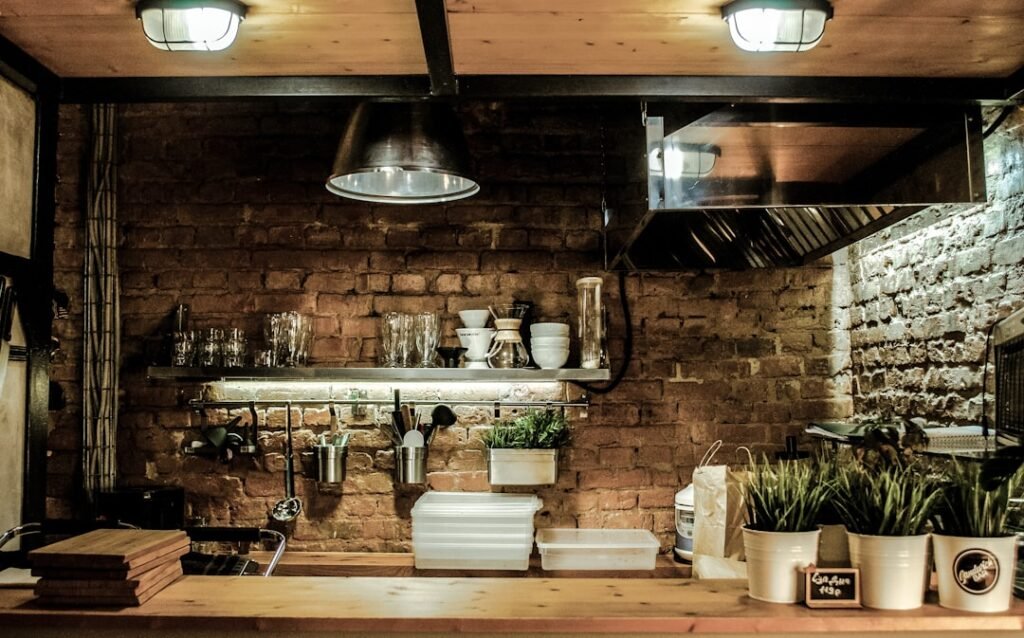
Imagine stepping outside into your backyard, where the sun is shining, and the air is filled with the tantalizing aroma of grilled food. An outdoor kitchen transforms your cooking experience, allowing you to enjoy the beauty of nature while preparing meals. One of the most significant benefits of having an outdoor kitchen is the opportunity for socialization.
You can entertain friends and family while cooking, creating a lively atmosphere that indoor kitchens often lack. The open-air setting encourages conversation and interaction, making gatherings more enjoyable and memorable. Moreover, outdoor kitchens can enhance your home’s value.
Potential buyers are increasingly looking for homes with outdoor living spaces, and a well-designed outdoor kitchen can be a major selling point. It not only adds square footage to your home but also provides a unique feature that sets your property apart from others. Additionally, cooking outdoors can lead to healthier eating habits.
With the ability to grill fresh vegetables and lean meats, you can create nutritious meals while enjoying the fresh air. This lifestyle change can positively impact your overall well-being, making outdoor kitchens a worthwhile investment.
Key Takeaways
- An outdoor kitchen provides a versatile and enjoyable space for cooking, entertaining, and relaxing in the great outdoors.
- When designing your outdoor kitchen space, consider factors such as the layout, flow, and integration with the surrounding landscape.
- Choose durable and weather-resistant appliances and equipment that are suitable for outdoor use to ensure longevity and functionality.
- Select countertops and surfaces that are both stylish and practical, such as granite or stainless steel, to withstand outdoor elements.
- Create a functional and stylish layout by incorporating cooking, prep, and dining areas, as well as seating and storage options for a seamless outdoor cooking experience.
Designing Your Outdoor Kitchen Space
When it comes to designing your outdoor kitchen, the first step is to assess your available space. Consider the layout of your backyard and how you envision using the area. Do you want a cozy nook for intimate dinners or a larger space for entertaining?
By determining your needs, you can create a design that maximizes functionality while complementing your home’s aesthetic. Think about the flow of movement; you want to ensure that there’s enough room for people to move around comfortably without feeling cramped. Next, consider the materials you’ll use in your outdoor kitchen.
Durability is key, as outdoor elements can take a toll on surfaces and appliances. Opt for weather-resistant materials that can withstand the elements while still looking stylish. Stone, stainless steel, and concrete are popular choices that offer both longevity and visual appeal.
Additionally, think about how your outdoor kitchen will integrate with your existing landscaping. A well-planned design will harmonize with your garden and patio areas, creating a seamless transition between indoor and outdoor living.
Choosing the Right Appliances and Equipment
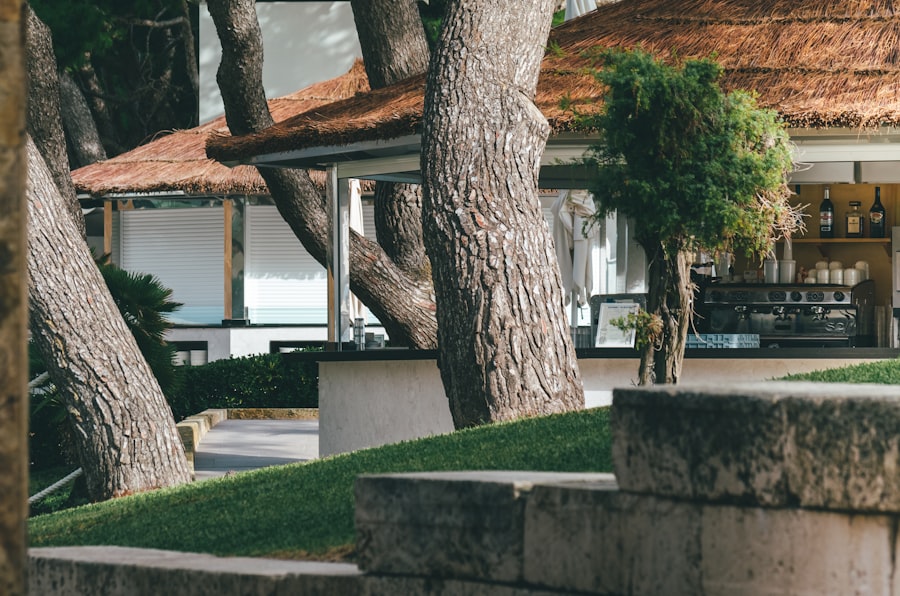
Selecting the right appliances for your outdoor kitchen is crucial to ensuring a functional cooking space. Start by considering what types of cooking you enjoy most. If grilling is your passion, invest in a high-quality grill that suits your needs—whether it’s gas, charcoal, or even a wood-fired option.
You might also want to include a smoker for those slow-cooked flavors or a pizza oven for fun gatherings with friends. The key is to choose appliances that will enhance your cooking experience and allow you to explore new culinary adventures. In addition to grills and ovens, think about other essential equipment that will make your outdoor kitchen more versatile.
A refrigerator is invaluable for keeping ingredients fresh and drinks cold during hot summer days. A sink with running water will make food prep and cleanup much easier, allowing you to stay outside longer without having to run back indoors. Don’t forget about storage solutions for utensils, cookware, and other essentials; having everything within reach will streamline your cooking process and keep your space organized.
Selecting the Perfect Countertops and Surfaces
Countertops play a vital role in both the functionality and aesthetics of your outdoor kitchen. When choosing surfaces, prioritize materials that are durable and easy to maintain. Granite and quartz are excellent options due to their resistance to heat and stains, making them ideal for outdoor use.
Additionally, these materials come in various colors and patterns, allowing you to customize your space according to your style preferences. Another factor to consider is the layout of your countertops. You may want to incorporate an island or bar area where guests can sit and enjoy drinks while you cook.
This not only adds extra workspace but also creates a social hub within your outdoor kitchen. Ensure that there’s ample surface area for food preparation, serving, and dining so that you can host gatherings without feeling rushed or cramped.
Creating a Functional and Stylish Layout
A well-thought-out layout is essential for an efficient outdoor kitchen. Start by envisioning how you’ll use the space—consider the flow of movement between different areas such as cooking, dining, and lounging. You want to create a layout that allows for easy access to appliances and storage while also providing enough room for guests to mingle comfortably.
Incorporating different zones can enhance both functionality and style. For instance, designate specific areas for grilling, food prep, and dining. This separation helps streamline the cooking process while also creating distinct spaces for socializing.
Additionally, think about incorporating features like an outdoor bar or seating area where guests can relax while you prepare meals. By carefully planning your layout, you’ll create an inviting atmosphere that encourages both cooking and entertaining.
Incorporating Essential Storage Solutions
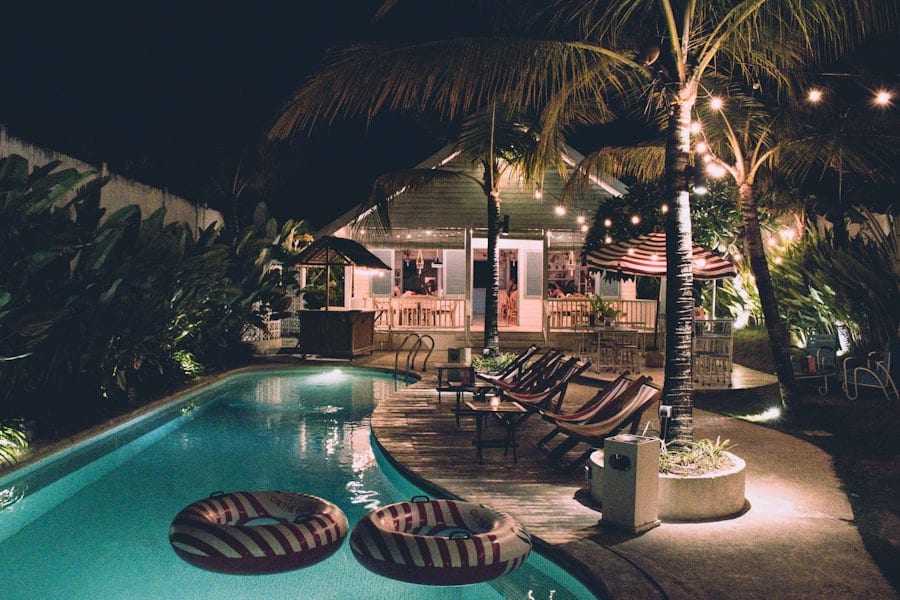
Storage is often overlooked in outdoor kitchens, yet it’s crucial for maintaining organization and efficiency. Without proper storage solutions, your outdoor kitchen can quickly become cluttered with utensils, cookware, and other essentials. Start by assessing what items you’ll need to store—this could include grilling tools, serving dishes, or even extra seating cushions.
Consider built-in cabinets or drawers made from weather-resistant materials to keep everything protected from the elements. Open shelving can also be a stylish way to display frequently used items while keeping them easily accessible. Additionally, think about incorporating hooks or racks for hanging utensils or pots; this not only saves space but also adds a decorative touch to your kitchen design.
Adding the Finishing Touches: Lighting and Decor
Once you’ve established the main components of your outdoor kitchen, it’s time to focus on the finishing touches that will elevate the space. Lighting plays a crucial role in creating ambiance during evening gatherings. Consider installing task lighting above cooking areas for safety and functionality while also incorporating softer ambient lighting around dining spaces to create a warm atmosphere.
Decorative elements can also enhance the overall aesthetic of your outdoor kitchen. Choose colors and materials that complement your home’s exterior while reflecting your personal style. Potted plants or herbs can add a touch of greenery and freshness to the space, while decorative tiles or backsplashes can serve as eye-catching focal points.
By thoughtfully selecting lighting and decor, you’ll create an inviting environment that encourages relaxation and enjoyment.
Maintaining and Caring for Your Outdoor Kitchen
To ensure that your outdoor kitchen remains in top condition for years to come, regular maintenance is essential. Start by cleaning surfaces after each use; this includes wiping down countertops and cleaning grills to prevent buildup from grease or food particles. Depending on the materials used in your kitchen, you may need specific cleaning products or techniques—be sure to follow manufacturer recommendations for best results.
Additionally, seasonal maintenance is crucial for protecting your outdoor kitchen from harsh weather conditions. During winter months or extreme weather events, consider covering appliances or storing them indoors if possible. Regularly check for any signs of wear or damage; addressing issues promptly will help prolong the life of your outdoor kitchen and keep it looking its best.
By committing to maintenance and care, you’ll ensure that your outdoor kitchen remains a cherished space for cooking and entertaining for many years ahead.
If you are looking to enhance your outdoor living space with an outdoor kitchen, you may also be interested in reading about the services offered by Better Home Contractor in Union City, New Jersey. They specialize in creating beautiful and functional outdoor spaces that are perfect for entertaining and cooking. Check out their website here for more information on how they can help bring your outdoor culinary dreams to life.
FAQs
What is an outdoor kitchen?
An outdoor kitchen is a space designed for cooking and entertaining outdoors, typically equipped with a grill, countertops, storage, and other amenities for food preparation and dining.
What are the benefits of having an outdoor kitchen?
Having an outdoor kitchen allows for easy entertaining and cooking in a natural setting, reduces indoor heat and cooking odors, and adds value to a home.
What are the key elements to consider when planning an outdoor kitchen?
Key elements to consider when planning an outdoor kitchen include the layout, appliances, materials, lighting, and landscaping to create a functional and aesthetically pleasing space.
What are some popular features to include in an outdoor kitchen?
Popular features to include in an outdoor kitchen are a built-in grill, outdoor refrigerator, sink, storage cabinets, countertops, and a dining area with seating.
What are some important factors to consider when building an outdoor kitchen?
Important factors to consider when building an outdoor kitchen include local building codes, proper ventilation for gas appliances, durable and weather-resistant materials, and adequate utility connections.
What are some tips for maintaining an outdoor kitchen?
Tips for maintaining an outdoor kitchen include regular cleaning of appliances and surfaces, covering or storing equipment during inclement weather, and performing routine maintenance on gas lines and electrical connections.