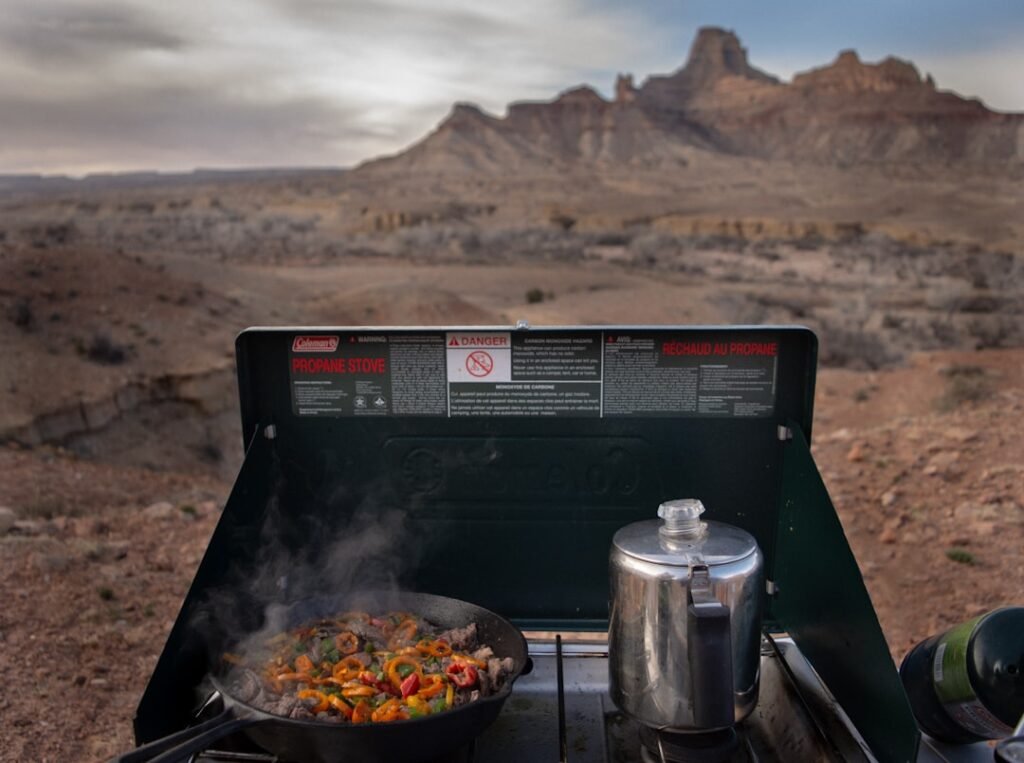
When you embark on the journey of designing your outdoor kitchen space, the first step is to envision how you want it to function and feel. Picture yourself hosting friends and family, grilling delicious meals, and enjoying the fresh air. Consider the overall aesthetic you wish to achieve—whether it’s a rustic farmhouse vibe, a sleek modern look, or a cozy Mediterranean retreat.
This vision will guide your choices in layout, materials, and appliances. Take the time to sketch out your ideas or use design software to create a visual representation of your dream kitchen. This initial planning phase is crucial as it sets the foundation for everything that follows.
Next, think about the location of your outdoor kitchen. Ideally, it should be easily accessible from your indoor kitchen for convenience, yet positioned in a way that allows you to enjoy the surrounding landscape. Consider factors such as sunlight exposure, wind direction, and proximity to utilities like water and electricity.
You might want to place your kitchen near a patio or deck to create a seamless transition between indoor and outdoor living spaces. Additionally, think about how the kitchen will fit into your overall outdoor environment. Will it be nestled among trees, or will it have a view of your garden?
These considerations will help you create a harmonious space that feels integrated with nature.
Key Takeaways
- When designing your outdoor kitchen space, consider the layout and flow for both cooking and entertaining.
- Choose appliances and equipment that are specifically designed for outdoor use to ensure durability and longevity.
- Select durable and weather-resistant materials such as stainless steel, stone, and concrete for your outdoor kitchen to withstand the elements.
- Create a functional layout that allows for easy cooking and entertaining, with designated areas for food prep, cooking, and serving.
- Incorporate stylish and comfortable seating options such as outdoor sofas, dining sets, and bar stools for a welcoming and inviting outdoor space.
Choosing the Right Appliances and Equipment
Selecting the right appliances and equipment for your outdoor kitchen is essential for both functionality and enjoyment. Start by identifying what types of cooking you plan to do. If grilling is your passion, investing in a high-quality grill should be at the top of your list.
Look for models that offer versatility, such as those with multiple burners or rotisserie options. Additionally, consider incorporating other cooking appliances like smokers, pizza ovens, or even side burners for boiling or sautéing. Each piece of equipment should align with your culinary preferences and enhance your outdoor cooking experience.
Beyond grills, think about storage solutions and refrigeration options. An outdoor refrigerator can keep beverages cold and ingredients fresh, making it easier to entertain guests without frequent trips indoors. You might also want to include cabinets or shelves for storing utensils, dishes, and cooking supplies.
When choosing appliances, prioritize durability and weather resistance; stainless steel is often a popular choice due to its ability to withstand the elements while maintaining a sleek appearance. By carefully selecting your appliances and equipment, you can create a well-equipped outdoor kitchen that meets all your cooking needs.
Selecting Durable and Weather-Resistant Materials

The materials you choose for your outdoor kitchen play a significant role in its longevity and maintenance. Since this space will be exposed to various weather conditions, it’s crucial to select materials that can withstand rain, sun, wind, and temperature fluctuations. For countertops, consider options like granite or quartzite, which are not only durable but also resistant to staining and scratching.
These materials can handle hot pots and pans without damage, making them ideal for an active cooking environment. In addition to countertops, think about the materials for cabinetry and flooring. Marine-grade polymer or stainless steel cabinets are excellent choices for their resistance to moisture and corrosion.
For flooring, options like porcelain tiles or natural stone can provide both beauty and durability while being easy to clean. When selecting materials, aim for a cohesive look that complements your home’s architecture and landscaping. By investing in high-quality, weather-resistant materials, you’ll ensure that your outdoor kitchen remains functional and attractive for years to come.
Creating a Functional Layout for Cooking and Entertaining
A well-thought-out layout is key to creating an outdoor kitchen that is both functional and enjoyable. Start by considering the work triangle concept used in traditional kitchen design: the relationship between the sink, stove (or grill), and refrigerator. In an outdoor setting, this triangle may look different but should still prioritize efficiency.
Ensure that there is enough space between each element to allow for easy movement while cooking or serving food. In addition to the cooking area, think about how you want to incorporate dining and entertaining spaces into your layout. You might choose to have a separate dining table nearby or include a bar seating area adjacent to the cooking zone.
This arrangement encourages social interaction while you prepare meals. Consider traffic flow as well; ensure that guests can move freely without interrupting the cooking process. By creating a functional layout that balances cooking and entertaining areas, you’ll foster an inviting atmosphere that enhances your outdoor gatherings.
Incorporating Stylish and Comfortable Seating Options
Seating is an essential component of any outdoor kitchen design, as it invites guests to relax and enjoy their time outdoors. When selecting seating options, prioritize comfort alongside style. Look for weather-resistant cushions that can withstand exposure to the elements while providing a cozy place for guests to sit.
You might opt for lounge chairs, bar stools, or even built-in benches that can accommodate larger groups. In addition to comfort, consider the aesthetic appeal of your seating choices. Choose colors and materials that complement the overall design of your outdoor kitchen.
For instance, if you have a modern kitchen with sleek lines, contemporary metal chairs may be a perfect fit. Alternatively, if your space has a rustic charm, wooden benches or wicker chairs could enhance the cozy atmosphere. By thoughtfully incorporating stylish and comfortable seating options, you’ll create an inviting environment where friends and family can gather and enjoy each other’s company.
Adding Lighting and Heating for Extended Use

To make the most of your outdoor kitchen space, consider adding lighting and heating elements that allow for extended use throughout the year. Proper lighting is essential not only for functionality but also for creating ambiance during evening gatherings. Incorporate task lighting over cooking areas to ensure safety while preparing meals, as well as ambient lighting around seating areas to set a warm atmosphere.
String lights or lanterns can add a charming touch while providing soft illumination. Heating options are equally important if you plan to use your outdoor kitchen during cooler months. Consider installing an outdoor fireplace or fire pit as a focal point that provides warmth while enhancing the overall aesthetic of your space.
Patio heaters are another practical solution that can be easily moved around as needed. By integrating both lighting and heating elements into your design, you’ll create an outdoor kitchen that remains inviting and functional regardless of the season.
Incorporating Greenery and Natural Elements for a Seamless Look
Integrating greenery and natural elements into your outdoor kitchen design can enhance its beauty while creating a seamless connection with nature. Consider adding potted plants or herb gardens nearby; not only do they provide fresh ingredients for your cooking, but they also add vibrant colors and textures to the space. Vertical gardens or trellises with climbing plants can create privacy while softening hard surfaces.
In addition to plants, think about incorporating natural materials like stone or wood into your design. A stone backsplash behind the grill or wooden accents on cabinetry can add warmth and character to your outdoor kitchen. Water features such as small fountains can also introduce soothing sounds while attracting wildlife like birds and butterflies.
By thoughtfully incorporating greenery and natural elements into your design, you’ll create an inviting atmosphere that feels harmonious with its surroundings.
Budgeting and Planning for Your Outdoor Kitchen Project
As you embark on your outdoor kitchen project, budgeting and planning are crucial steps that will help ensure its success. Start by determining how much you’re willing to invest in this project; this will guide your decisions regarding materials, appliances, and overall design features. It’s wise to create a detailed budget that includes not only construction costs but also expenses related to permits, utilities, landscaping, and furnishings.
Once you have a budget in place, develop a timeline for your project. Consider whether you’ll be handling the construction yourself or hiring professionals; this will impact both cost and timeframes significantly. If you’re working with contractors, obtain multiple quotes to ensure you’re getting fair pricing while also checking references to guarantee quality work.
By carefully budgeting and planning every aspect of your outdoor kitchen project, you’ll set yourself up for success while creating a beautiful space that enhances your home’s value and livability. In conclusion, designing an outdoor kitchen is an exciting endeavor that allows you to blend functionality with aesthetics while enjoying nature’s beauty. By following these guidelines—from layout planning to material selection—you can create an inviting space perfect for cooking and entertaining year-round.
With thoughtful consideration of each element involved in this project, you’ll be well on your way to crafting an outdoor kitchen that reflects your personal style while serving as a hub for memorable gatherings with family and friends.
If you’re looking to transform your outdoor space into a stunning oasis, you may want to consider hiring a professional contractor. Better Home Contractor offers top-notch services in Jacksonville, Florida, Mount Vernon, New York, and Visalia, California. Their team of experts can help bring your outdoor kitchen dreams to life, ensuring that every detail is perfect. Check out their website for more information on how they can help you create the outdoor kitchen of your dreams. Visit Better Home Contractor in Jacksonville, Florida for more information.
FAQs
What are the benefits of having an outdoor kitchen?
An outdoor kitchen allows you to enjoy cooking and dining al fresco, making it a great space for entertaining and socializing. It also helps to keep the heat and mess of cooking outside, and adds value to your home.
What are some essential features of an outdoor kitchen?
Essential features of an outdoor kitchen include a grill, countertop space for food prep, storage for utensils and cookware, and a sink for easy clean-up.
What are some popular design ideas for outdoor kitchens?
Popular design ideas for outdoor kitchens include incorporating a bar area for seating, adding a pizza oven or smoker for versatility in cooking, and creating a cohesive design that complements the overall outdoor space.
What materials are best for outdoor kitchen countertops?
Durable and weather-resistant materials such as granite, stainless steel, concrete, or natural stone are ideal for outdoor kitchen countertops as they can withstand the elements.
How can I make my outdoor kitchen space more functional?
To make your outdoor kitchen space more functional, consider adding adequate lighting for evening use, incorporating shade options such as a pergola or umbrella, and ensuring easy access to utilities such as water and electricity.