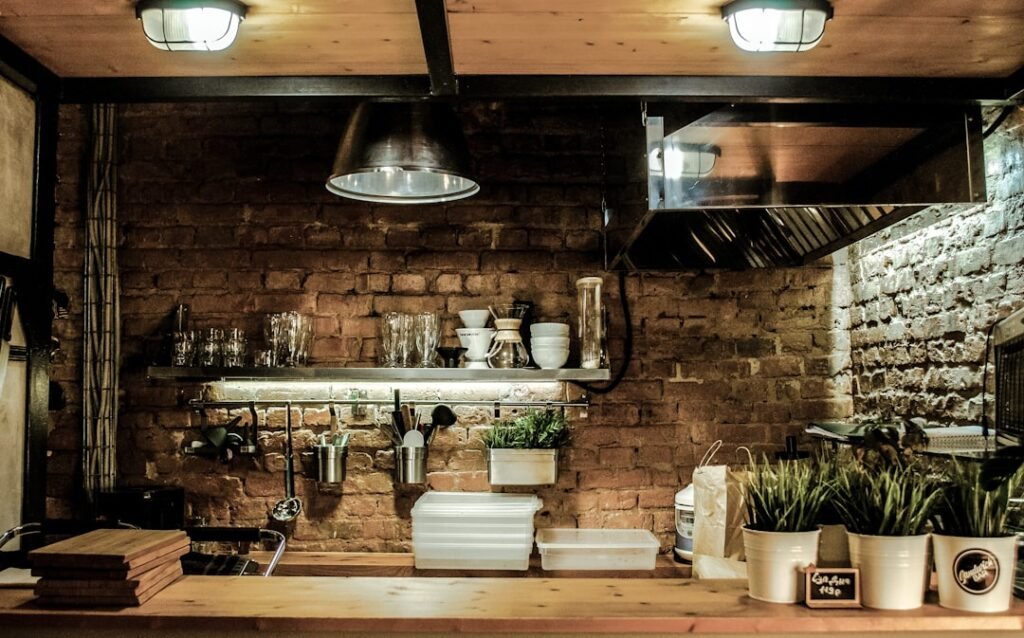
In recent years, outdoor kitchens have surged in popularity, transforming backyards into culinary havens. This trend reflects a broader shift in how people view their outdoor spaces, moving beyond simple patios or decks to fully functional areas that encourage cooking, dining, and entertaining. You may find that the allure of cooking outdoors is not just about the food; it’s about the experience.
The combination of fresh air, natural light, and the sounds of nature creates an inviting atmosphere that indoor kitchens often lack. As more homeowners seek to enhance their living spaces, outdoor kitchens have become a desirable feature that adds both value and enjoyment to a property. The rise of outdoor kitchens can also be attributed to the growing interest in al fresco dining and the desire for a more connected lifestyle.
You might notice that many people are eager to spend time outside, whether it’s for family gatherings, barbecues with friends, or simply enjoying a quiet evening under the stars. This trend has led to an increase in the variety of outdoor cooking appliances and designs available on the market. From built-in grills to pizza ovens and even outdoor refrigerators, the options are endless.
As you consider your own outdoor kitchen, you’ll find that it can be tailored to fit your personal style and culinary preferences, making it a unique extension of your home.
Key Takeaways
- Outdoor kitchens are becoming increasingly popular as people seek to expand their living space and entertain outdoors.
- Cooking outdoors offers numerous benefits, including a reduction in indoor heat, a more social cooking experience, and the ability to enjoy nature while preparing meals.
- When designing your outdoor kitchen, consider factors such as the layout, functionality, and integration with the rest of your outdoor living space.
- Essential appliances for outdoor cooking may include a grill, smoker, outdoor refrigerator, and storage for cooking utensils and ingredients.
- Choosing the right materials for your outdoor kitchen is crucial for durability and aesthetics, with options such as stainless steel, stone, and weather-resistant wood.
Benefits of Cooking Outdoors
Cooking outdoors offers a multitude of benefits that go beyond just the joy of grilling. One of the most significant advantages is the opportunity to enjoy nature while preparing meals. You may find that the fresh air invigorates your senses and enhances your cooking experience.
The sights and sounds of the outdoors can inspire creativity in your culinary endeavors, allowing you to experiment with flavors and techniques that you might not try indoors. Additionally, cooking outside can be a more social experience, as friends and family gather around to enjoy the process together. Another key benefit is the potential for healthier cooking.
Outdoor kitchens often encourage grilling, which is a method that allows excess fat to drip away from food, resulting in lighter meals. You might also find that cooking outdoors encourages you to use fresh ingredients from local farmers’ markets or your own garden, promoting a farm-to-table lifestyle. Furthermore, outdoor cooking can help keep your indoor space cooler during hot summer months, reducing the need for air conditioning and creating a more comfortable environment inside your home.
Designing Your Outdoor Kitchen
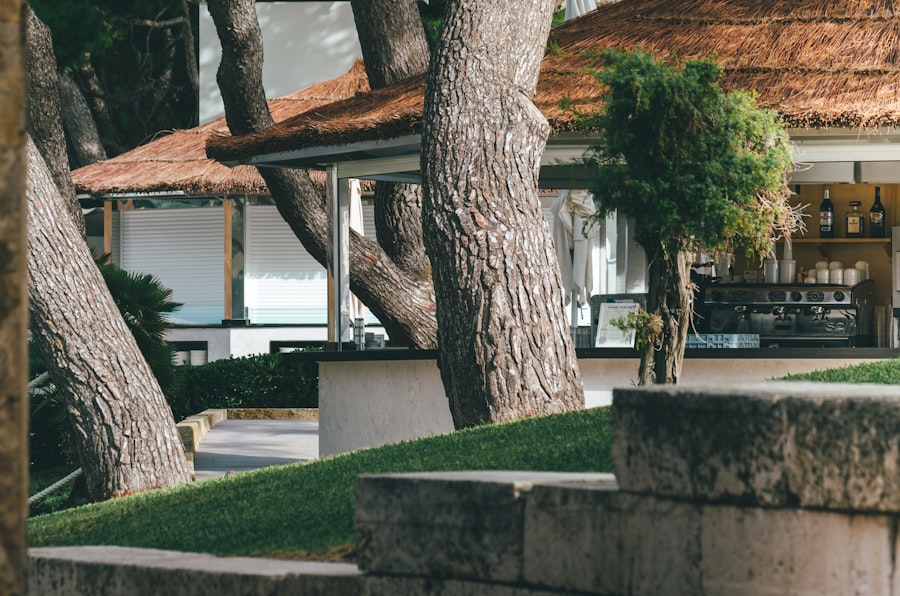
When it comes to designing your outdoor kitchen, there are several factors to consider to ensure it meets your needs and complements your outdoor space. First and foremost, think about how you plan to use the kitchen. Will it be primarily for casual family meals, or do you envision hosting large gatherings?
Understanding your intended use will help you determine the layout and size of your kitchen. You may want to include ample counter space for food preparation, seating areas for guests, and easy access to cooking appliances. Another important aspect of design is the flow between your indoor and outdoor spaces.
You might want to create a seamless transition by using similar materials or color schemes in both areas. Consider incorporating features like sliding glass doors or large windows that open up to your outdoor kitchen, allowing for easy movement between spaces. Additionally, think about how you can incorporate elements like shade structures or pergolas to provide comfort during hot days while still allowing for an open-air feel.
Ultimately, your design should reflect your personal style while being functional and inviting.
Essential Appliances for Outdoor Cooking
Equipping your outdoor kitchen with the right appliances is crucial for maximizing its functionality and enhancing your cooking experience. At the heart of any outdoor kitchen is a high-quality grill. You may choose between gas, charcoal, or even wood-fired options depending on your cooking preferences.
Each type offers unique flavors and cooking styles, so consider what best suits your culinary ambitions. Additionally, you might want to invest in a side burner for sauces or side dishes, as well as a smoker for those who enjoy slow-cooked flavors. Beyond grilling equipment, consider adding appliances that elevate your outdoor cooking experience.
A pizza oven can be a fantastic addition if you love homemade pizzas or bread. Outdoor refrigerators are also practical for keeping ingredients fresh and beverages cold without having to run back inside constantly. You may also want to include a sink for easy cleanup and food prep.
By carefully selecting appliances that cater to your cooking style, you can create an outdoor kitchen that is not only functional but also enjoyable to use.
Choosing the Right Materials for Your Outdoor Kitchen
Selecting the right materials for your outdoor kitchen is essential for durability and aesthetics. Since outdoor kitchens are exposed to various weather conditions, you’ll want materials that can withstand the elements while maintaining their appearance over time. Stainless steel is a popular choice for appliances and fixtures due to its resistance to rust and corrosion.
You might also consider using stone or brick for countertops and cabinetry, as these materials provide a natural look while being sturdy enough to endure outdoor conditions. In addition to durability, think about how the materials you choose will complement your home’s overall design. You may want to select colors and textures that harmonize with your existing landscape or architectural style.
For example, if your home features rustic elements, incorporating natural stone or wood finishes can create a cohesive look. On the other hand, if you prefer a modern aesthetic, sleek stainless steel and concrete surfaces may be more appropriate. Ultimately, choosing the right materials will enhance both the functionality and visual appeal of your outdoor kitchen.
Tips for Maintaining Your Outdoor Kitchen
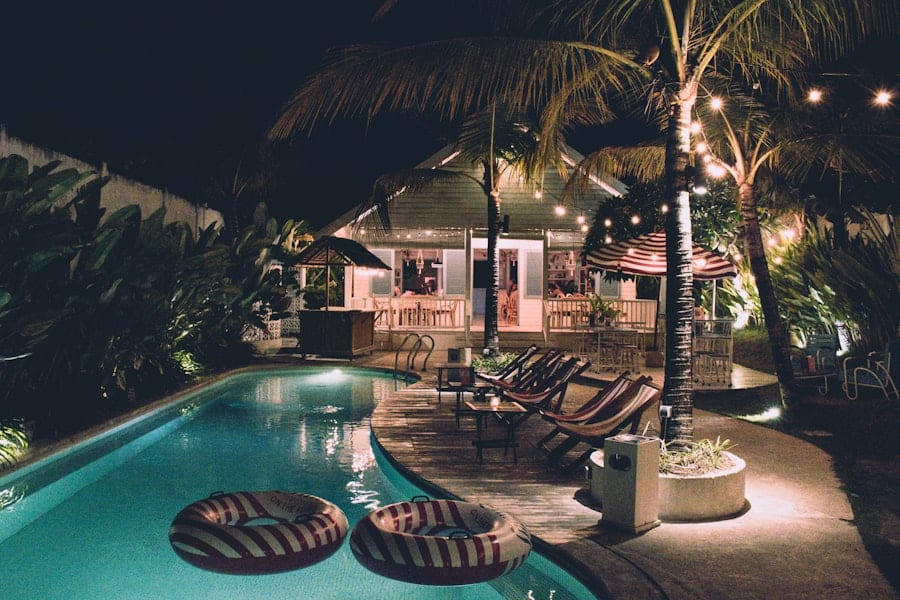
Maintaining your outdoor kitchen is essential for ensuring its longevity and functionality. Regular cleaning is one of the most important aspects of upkeep. After each use, take the time to clean your grill grates and surfaces to prevent grease buildup and rust formation.
You might also want to cover appliances when they’re not in use to protect them from dirt and weather damage. A simple routine can go a long way in preserving the quality of your outdoor kitchen. In addition to cleaning, consider seasonal maintenance tasks as well.
Before winter sets in, it’s wise to winterize your outdoor kitchen by draining water lines and covering appliances with protective covers. This will help prevent damage from freezing temperatures or snow accumulation. During springtime, inspect all components for wear and tear, replacing any parts as necessary.
By staying proactive with maintenance, you can ensure that your outdoor kitchen remains a welcoming space for years to come.
Creating the Perfect Ambiance for Outdoor Dining
The ambiance of your outdoor dining area plays a significant role in enhancing the overall experience of eating outdoors. You may want to start by considering lighting options that create a warm and inviting atmosphere as evening falls. String lights or lanterns can add a magical touch while providing adequate illumination for dining and socializing.
Additionally, incorporating candles or fire pits can create a cozy environment that encourages relaxation and conversation. Another aspect of ambiance is seating arrangements and decor. Comfortable seating is essential for enjoying long meals with family and friends; consider adding cushions or throws for added comfort.
You might also want to incorporate decorative elements like potted plants or outdoor rugs that tie together the aesthetic of your space. By thoughtfully curating these details, you can create an inviting atmosphere that makes every meal feel special.
Bringing Your Indoor Cooking Experience Outdoors
One of the most exciting aspects of an outdoor kitchen is the ability to replicate some of the comforts of indoor cooking while enjoying nature’s beauty. You may find that incorporating familiar elements from your indoor kitchen can make the transition smoother and more enjoyable. For instance, consider adding similar cookware or utensils that you use indoors so that you feel at home while cooking outside.
Additionally, think about how you can integrate technology into your outdoor kitchen experience. Smart appliances that connect to your smartphone can help you monitor cooking temperatures or even control lighting from afar. You might also want to set up an outdoor sound system so you can enjoy music while preparing meals or entertaining guests.
By blending indoor comforts with outdoor elements, you can create a seamless cooking experience that allows you to enjoy the best of both worlds. In conclusion, creating an outdoor kitchen is an investment in both your home and lifestyle. As you explore this exciting trend, remember that it’s about more than just cooking; it’s about enhancing your quality of life through connection with nature and loved ones.
With careful planning and consideration of design elements, appliances, materials, maintenance practices, ambiance creation, and indoor-outdoor integration, you can craft an outdoor kitchen that reflects your personal style while providing endless opportunities for culinary exploration and enjoyment.
If you’re looking to create the perfect outdoor kitchen to complement your culinary passion, consider hiring a Better Home Contractor in Kent, Washington. Their team of experts can help you design and build the outdoor kitchen of your dreams, allowing you to enjoy fresh air while cooking up delicious meals. Check out their website here for more information on their services.
FAQs
What is an outdoor kitchen?
An outdoor kitchen is a space designed for cooking and preparing meals outside, typically in a backyard or patio area. It often includes a grill, countertops, storage, and sometimes appliances such as a refrigerator or sink.
What are the benefits of having an outdoor kitchen?
Having an outdoor kitchen allows for cooking and entertaining in a natural, open-air environment. It can also help to keep the heat and smells of cooking outside the main living space of the home.
What features are commonly found in outdoor kitchens?
Common features of outdoor kitchens include a grill, countertops for food preparation, storage for cooking utensils and ingredients, and sometimes appliances such as a refrigerator, sink, or pizza oven.
What materials are typically used in outdoor kitchen construction?
Outdoor kitchens are often constructed using materials that can withstand exposure to the elements, such as stainless steel, stone, brick, and concrete. These materials are durable and easy to clean.
Are outdoor kitchens only suitable for warm climates?
While outdoor kitchens are popular in warm climates, they can also be used in cooler climates with the addition of features such as outdoor heaters, fire pits, or even enclosed structures to extend their use throughout the year.