
Before diving into the cleaning process, it’s essential to prepare your work area effectively. This initial step sets the tone for the entire cleaning operation and ensures that you can work efficiently without unnecessary interruptions. Start by removing any large items or furniture that may obstruct your cleaning efforts.
This not only provides you with ample space to maneuver but also prevents any accidental damage to your belongings. You might want to consider covering any remaining furniture with drop cloths or plastic sheets to protect them from dust and debris that may arise during the cleaning process. Once you’ve cleared the area, take a moment to assess the surfaces and fixtures that require attention.
This assessment will help you prioritize your tasks and determine the best approach for each section of the space. Make a checklist of the areas that need cleaning, such as floors, windows, and countertops. Organizing your tasks in this manner will help you stay focused and ensure that no corner is overlooked.
Additionally, ensure that you have adequate lighting in the area; good visibility is crucial for spotting dirt and grime that may otherwise go unnoticed.
Key Takeaways
- Clear the work area of any obstacles and protect surfaces from damage before starting the cleaning process.
- Choose cleaning products that are suitable for the specific surfaces and fixtures being cleaned to ensure effective and safe results.
- Use appropriate techniques and tools to clean surfaces and fixtures without causing damage or leaving streaks or residue.
- Dispose of construction debris properly and ensure that the work area is free of any hazards before completing the cleaning process.
- Polish and add finishing touches to surfaces and fixtures to enhance their appearance and ensure a professional result.
Choosing the Right Cleaning Products
Selecting the appropriate cleaning products is a critical step in achieving a spotless environment. With a plethora of options available on the market, it can be overwhelming to determine which products will be most effective for your specific needs. Start by considering the types of surfaces you’ll be cleaning.
For instance, glass surfaces require a different cleaner than wood or tile. It’s essential to read labels carefully to ensure that the products you choose are suitable for the materials in your space. In addition to surface compatibility, think about the environmental impact of the cleaning products you select.
Many people are now opting for eco-friendly alternatives that are less harmful to both health and the planet. These products often contain natural ingredients that can effectively clean without leaving behind toxic residues. If you have allergies or sensitivities, this is particularly important.
You might also want to consider making your own cleaning solutions using common household items like vinegar, baking soda, and lemon juice, which can be just as effective and much safer.
Cleaning Surfaces and Fixtures
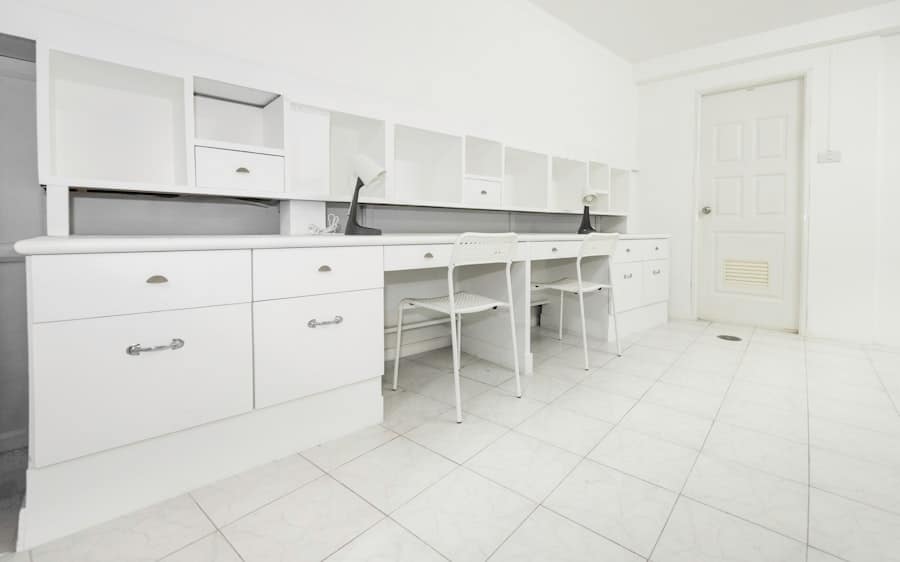
With your work area prepared and cleaning products selected, it’s time to tackle the surfaces and fixtures. Begin with high surfaces such as shelves and light fixtures, working your way down to avoid having to clean areas multiple times. Use a microfiber cloth or a duster to capture dust and cobwebs effectively.
When cleaning light fixtures, ensure they are turned off and cool to the touch to prevent any accidents. A gentle cleaner can be used on glass components to restore their shine. As you move on to countertops and tables, pay attention to any stains or sticky residues that may have accumulated.
A multi-surface cleaner can be particularly useful here, as it allows you to tackle various materials without needing multiple products. For kitchens and bathrooms, disinfectants are essential to eliminate germs and bacteria effectively. Remember to follow the instructions on the product label for optimal results, including recommended contact times for disinfectants to ensure they work effectively.
Removing Construction Debris
After addressing surfaces and fixtures, it’s time to focus on removing construction debris, which can be one of the most challenging aspects of post-construction cleaning. Start by gathering all loose debris such as wood scraps, nails, and drywall pieces. A sturdy trash bag or bin will be your best friend during this process; make sure it’s large enough to accommodate all the waste without tearing.
If you encounter larger items that cannot be easily disposed of, consider renting a dumpster for efficient removal. Once you’ve cleared away the bulk of the debris, take a moment to sweep or vacuum the area thoroughly. This step is crucial as it helps eliminate smaller particles that may have settled into corners or crevices.
A shop vacuum can be particularly effective for this task, as it is designed to handle both wet and dry materials. After vacuuming, don’t forget to mop the floors to remove any remaining dust or residue left behind from construction activities.
Polishing and Finishing Touches
With surfaces cleaned and debris removed, it’s time to add those finishing touches that will elevate your space from merely clean to sparkling. Start by polishing any metal fixtures such as faucets, doorknobs, and light switches. A specialized metal polish can help restore their shine and remove any tarnish that may have developed during construction.
For wooden surfaces, consider using a wood polish or conditioner that not only cleans but also nourishes the wood, enhancing its natural beauty. Next, focus on glass surfaces such as windows and mirrors. A streak-free glass cleaner will help you achieve a crystal-clear finish that allows natural light to flood into your space.
Don’t forget about smaller details like baseboards and trim; these areas often accumulate dust and grime but can make a significant difference in the overall appearance of your room when cleaned properly. Take your time with these finishing touches; they are what will truly make your space feel polished and complete.
Addressing Stains and Spills

Inevitably, during any cleaning process, you may encounter stubborn stains or spills that require special attention. Whether it’s paint splatters on a floor or adhesive residue left behind from tape, knowing how to address these issues is crucial for achieving a pristine finish. Start by identifying the type of stain you’re dealing with; different materials require different approaches for effective removal.
For paint stains on hard surfaces, a solvent like rubbing alcohol or paint thinner can often do the trick. Apply a small amount to a cloth and gently rub the stain until it lifts away. For fabric surfaces, such as upholstery or carpets, blotting with a mixture of water and mild detergent can help lift stains without damaging the material.
Always test any cleaning solution on an inconspicuous area first to ensure it won’t cause discoloration or damage.
Ensuring Safety and Compliance
As you embark on your cleaning journey, safety should always be at the forefront of your mind. This is especially true when dealing with post-construction cleaning, where hazardous materials may be present. Ensure that you are wearing appropriate personal protective equipment (PPE), such as gloves, masks, and goggles, particularly if you’re handling strong chemicals or working in dusty environments.
Additionally, familiarize yourself with local regulations regarding waste disposal and hazardous materials. Some construction debris may require special handling or disposal methods to comply with environmental laws. By ensuring that you follow these guidelines, you not only protect yourself but also contribute positively to your community and environment.
Hiring Professional Cleaning Services
If the task of post-construction cleaning feels overwhelming or if you simply lack the time or resources to tackle it yourself, consider hiring professional cleaning services. These experts are trained specifically in post-construction cleanup and have access to specialized equipment and products that can make a significant difference in efficiency and effectiveness. They understand how to handle various materials safely and can often complete the job in a fraction of the time it would take an individual.
When selecting a professional service, do your research by reading reviews and asking for recommendations from friends or family who have used similar services in the past. It’s also wise to request quotes from multiple companies so you can compare prices and services offered. Ultimately, investing in professional cleaning can save you time and stress while ensuring that your newly constructed space is immaculate and ready for use.
In conclusion, post-construction cleaning is an essential step in preparing a space for occupancy or use. By following these steps—from preparing your work area to considering professional services—you can ensure that your environment is not only clean but also safe and welcoming. Whether you choose to tackle this task yourself or enlist help from professionals, taking the time to do it right will pay off in creating a beautiful space that reflects your vision.
If you are interested in historical preservation and building partnerships for success, you may want to check out the article