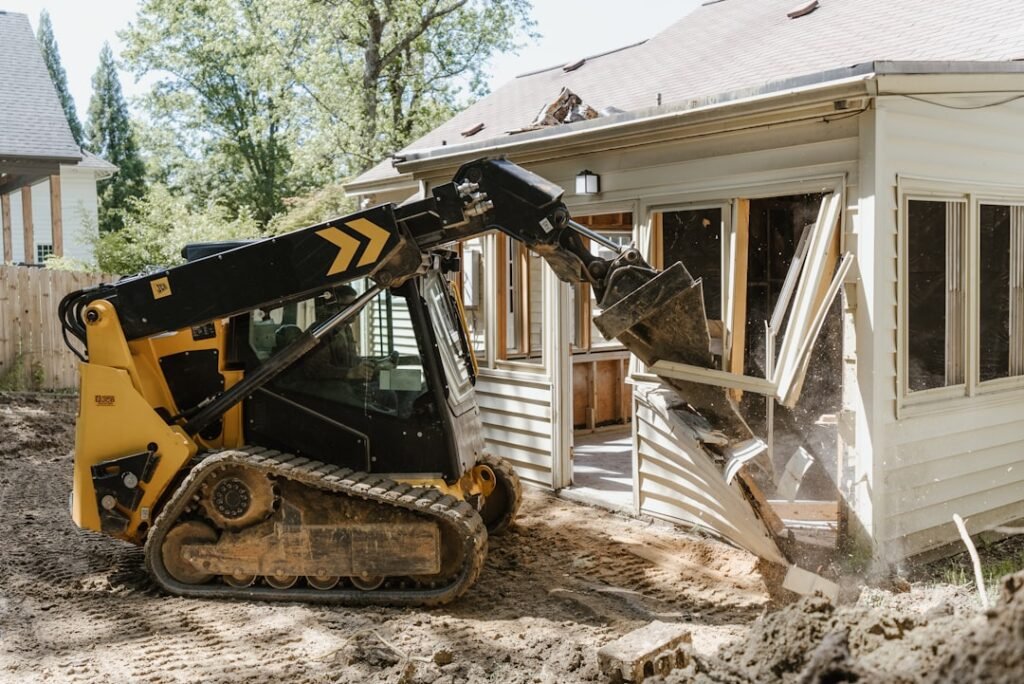
When embarking on a construction project, the first step you must take is to thoroughly understand the project scope. This involves not only grasping the technical specifications but also recognizing the broader objectives and constraints that will shape the entire endeavor. You need to engage with all stakeholders, including clients, architects, and engineers, to gather insights and expectations.
This collaborative approach ensures that you have a comprehensive view of what the project entails, allowing you to identify potential challenges and opportunities early on. Defining the project scope also means establishing clear deliverables and timelines. You should create a detailed project plan that outlines each phase of construction, from initial design to final inspection.
This plan serves as a roadmap, guiding your decisions and actions throughout the project. By having a well-defined scope, you can mitigate risks associated with scope creep, which often leads to budget overruns and delays. It’s essential to document everything meticulously, as this will serve as a reference point for all parties involved and help maintain alignment as the project progresses.
Key Takeaways
- Understanding the project scope is crucial for successful project management
- Managing subcontractors requires clear communication and expectations
- Ensuring compliance with building codes and regulations is essential for legal and safety reasons
- Maintaining safety on the job site is a top priority for all involved
- Budgeting and cost management are key to keeping the project on track and profitable
Managing Subcontractors
As you delve deeper into the construction process, managing subcontractors becomes a critical aspect of your role. Subcontractors bring specialized skills and expertise that are essential for various components of the project, from electrical work to plumbing. However, coordinating their efforts requires effective communication and oversight.
You must establish clear expectations regarding timelines, quality standards, and safety protocols. Regular check-ins and progress meetings can help ensure that everyone is on the same page and that any issues are addressed promptly. Moreover, building strong relationships with your subcontractors can lead to better collaboration and efficiency.
You should foster an environment of mutual respect and open dialogue, encouraging subcontractors to voice concerns or suggestions. This not only enhances morale but also contributes to a more cohesive team dynamic. By recognizing their contributions and providing constructive feedback, you can motivate subcontractors to perform at their best, ultimately benefiting the overall success of the project.
Ensuring Compliance with Building Codes and Regulations
Navigating the complex landscape of building codes and regulations is another crucial responsibility you must undertake. Compliance is not merely a legal obligation; it is essential for ensuring the safety and integrity of the structure you are building. You need to familiarize yourself with local, state, and federal regulations that apply to your project.
This may involve consulting with legal experts or regulatory bodies to clarify any ambiguities in the codes. In addition to understanding the regulations, you must implement processes to ensure compliance throughout the construction phase. This includes conducting regular inspections and audits to verify that all work meets the required standards.
You should also keep detailed records of inspections, permits, and approvals, as these documents may be necessary for future reference or in case of disputes. By prioritizing compliance, you not only protect your project from potential legal issues but also enhance its overall quality and safety.
Maintaining Safety on the Job Site
Safety on the job site is paramount in construction, and as a project manager, it falls on you to cultivate a culture of safety among your team. You must develop a comprehensive safety plan that outlines protocols for various scenarios, including equipment operation, hazardous materials handling, and emergency response procedures. Training sessions should be conducted regularly to ensure that all workers are aware of these protocols and understand their importance.
Moreover, you should lead by example when it comes to safety practices. Wearing appropriate personal protective equipment (PPE) and adhering to safety guidelines demonstrates your commitment to creating a safe work environment. Encourage open communication about safety concerns; workers should feel empowered to report hazards without fear of repercussions.
By fostering a proactive approach to safety, you can significantly reduce the risk of accidents and injuries on site, ultimately contributing to a more efficient and productive work environment.
Budgeting and Cost Management
Effective budgeting and cost management are vital components of successful project execution. You need to create a detailed budget that accounts for all aspects of the project, including materials, labor, permits, and contingencies for unforeseen expenses. It’s essential to track expenditures closely throughout the project lifecycle to ensure that you remain within budgetary constraints.
Regular financial reviews can help you identify any discrepancies early on, allowing you to make necessary adjustments before they escalate into larger issues. In addition to monitoring costs, you should also explore opportunities for cost savings without compromising quality. This might involve negotiating better rates with suppliers or finding alternative materials that meet your specifications at a lower price point.
Engaging in value engineering discussions with your team can also yield innovative solutions that enhance efficiency while reducing costs. By maintaining a vigilant focus on budgeting and cost management, you can ensure that your project remains financially viable from start to finish.
Scheduling and Time Management
Time management is another critical aspect of construction project management that requires your attention. Developing a realistic schedule is essential for keeping the project on track and ensuring timely completion. You should break down the project into manageable phases and establish deadlines for each task.
Utilizing project management software can help you visualize timelines and dependencies, making it easier to identify potential bottlenecks. As the project progresses, you must remain flexible and adaptable in your scheduling approach. Delays can occur due to various factors such as weather conditions or supply chain disruptions.
It’s important to have contingency plans in place so that you can quickly adjust timelines without derailing the entire project. Regularly communicating updates with your team will help everyone stay informed about any changes in schedule and maintain momentum toward meeting deadlines.
Communication with Clients and Stakeholders
Effective communication with clients and stakeholders is crucial for fostering trust and transparency throughout the construction process. You should establish regular touchpoints with clients to provide updates on progress, address concerns, and gather feedback. This open line of communication not only keeps clients informed but also allows them to feel involved in the decision-making process.
In addition to client communication, engaging with other stakeholders—such as local authorities or community members—can enhance your project’s reputation and acceptance. Hosting informational meetings or providing progress reports can help alleviate any concerns stakeholders may have about the construction process. By prioritizing communication at all levels, you can build strong relationships that contribute positively to the project’s success.
Quality Control and Project Completion
As your project nears completion, quality control becomes paramount in ensuring that all work meets established standards and client expectations. You should implement a rigorous quality assurance process that includes regular inspections and testing of materials and workmanship. This proactive approach helps identify any deficiencies early on so that they can be addressed before final handover.
Upon reaching project completion, it’s essential to conduct a thorough review with your team and stakeholders. This final assessment allows you to celebrate successes while also identifying areas for improvement in future projects. Gathering feedback from clients about their experience can provide valuable insights that inform your practices moving forward.
By emphasizing quality control throughout the construction process and conducting a comprehensive review at completion, you can ensure that your projects not only meet but exceed expectations, paving the way for future opportunities in your career.
One important aspect of the Responsibilities of a General Contractor is ensuring that cultural elements are incorporated into architectural designs. This article on Preserving Identity: Incorporating Cultural Elements into Architectural Designs highlights the significance of honoring cultural heritage in construction projects. By working closely with architects and designers, general contractors can help create spaces that reflect the unique identity and history of a community. This attention to detail can result in more meaningful and impactful buildings that resonate with the people who inhabit them.
FAQs
What is a general contractor?
A general contractor is a professional who oversees and manages construction projects. They are responsible for coordinating all aspects of the project, including hiring subcontractors, obtaining permits, and ensuring the project is completed on time and within budget.
What are the responsibilities of a general contractor?
The responsibilities of a general contractor include managing the construction project, hiring and supervising subcontractors, obtaining necessary permits, ensuring compliance with building codes and regulations, maintaining a safe work environment, and communicating with the client throughout the project.
What qualifications are required to become a general contractor?
Qualifications to become a general contractor vary by state, but typically include a combination of education, work experience, and passing a licensing exam. Many general contractors also pursue additional certifications or training to enhance their skills and knowledge.
How does a general contractor manage subcontractors?
A general contractor is responsible for hiring and supervising subcontractors, including plumbers, electricians, and carpenters. They coordinate the schedules of subcontractors, ensure they have the necessary materials and equipment, and oversee their work to ensure it meets quality standards and is completed on time.
What are the benefits of hiring a general contractor for a construction project?
Hiring a general contractor can streamline the construction process, as they are experienced in managing all aspects of a project. They can also help ensure the project stays on schedule and within budget, and can handle any unexpected issues that arise during construction.