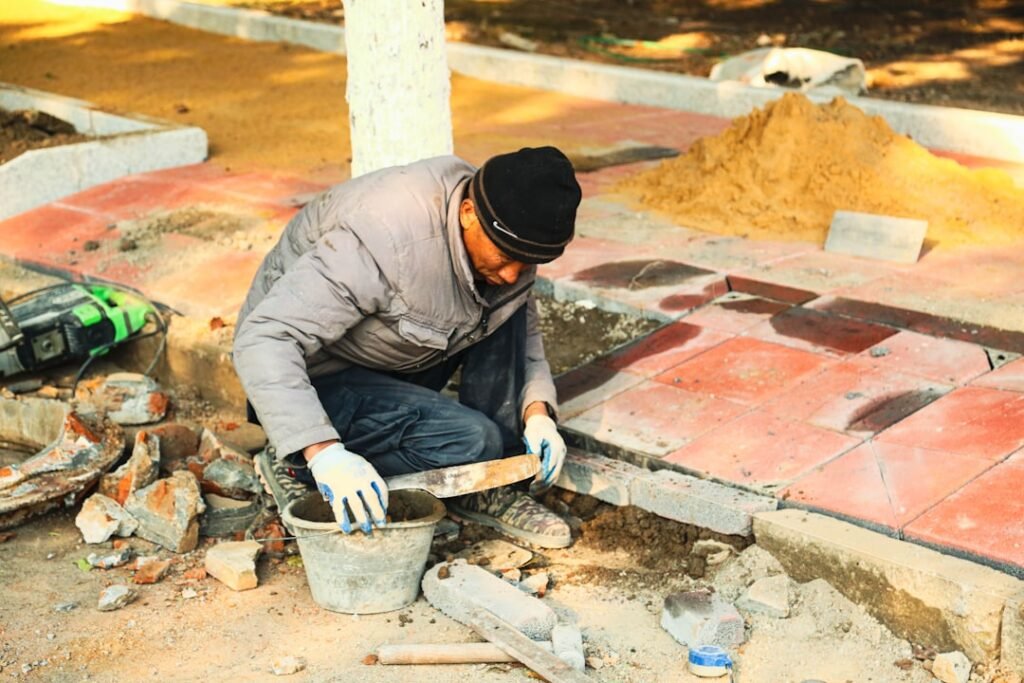
When you think about construction sites, the image that often comes to mind is one of chaos and clutter. However, maintaining a clean construction site is not just about aesthetics; it plays a crucial role in safety, efficiency, and overall project success. A clean site minimizes hazards, reducing the risk of accidents and injuries.
When you keep your work area organized, you create a safer environment for everyone involved, from laborers to visitors. This proactive approach can significantly decrease the likelihood of slips, trips, and falls, which are among the most common workplace accidents. Moreover, a clean construction site enhances productivity.
When you can easily locate tools and materials, you save valuable time that would otherwise be spent searching through debris. This efficiency translates into cost savings and helps keep your project on schedule. Additionally, a tidy site reflects professionalism and can positively influence client perceptions.
When clients visit your site and see a well-maintained environment, it instills confidence in your ability to manage the project effectively. Thus, prioritizing cleanliness is not merely a matter of compliance; it is an investment in the success of your construction endeavors.
Key Takeaways
- Clean construction sites are important for the safety of workers and the surrounding environment.
- Implementing waste management plans is crucial to minimize the impact of construction activities on the environment.
- Utilizing dust control measures helps to reduce air pollution and protect the health of workers and nearby residents.
- Proper storage and disposal of materials is essential to prevent contamination of soil and water sources.
- Regular site clean-up and maintenance are necessary to ensure a safe and organized work environment.
Implementing Waste Management Plans
Creating an effective waste management plan is essential for any construction project. You must first assess the types of waste your project will generate, which can range from concrete and wood scraps to hazardous materials. By categorizing waste, you can develop strategies for recycling and disposal that align with local regulations and environmental standards.
This proactive approach not only helps in minimizing landfill contributions but also promotes sustainability within the construction industry. In addition to categorizing waste, you should establish clear protocols for waste segregation on-site. Providing designated bins for different types of materials encourages workers to dispose of waste responsibly.
You might also consider partnering with local recycling facilities to ensure that recyclable materials are processed correctly. Regularly reviewing and updating your waste management plan will help you adapt to any changes in regulations or project scope, ensuring that your site remains compliant and environmentally friendly throughout the construction process.
Utilizing Dust Control Measures

Dust is an inevitable byproduct of construction activities, but its impact on health and the environment can be mitigated through effective dust control measures. You should consider implementing strategies such as water spraying or dust suppressants to minimize airborne particles during demolition or excavation work. These methods not only protect the health of your workers but also reduce the risk of dust-related complaints from nearby residents.
In addition to immediate dust control measures, you can also incorporate long-term strategies into your project planning. For instance, using equipment with built-in dust suppression technology can significantly reduce dust emissions during operations. Furthermore, scheduling work during times when wind conditions are favorable can help minimize dust dispersion.
By taking these steps, you contribute to a healthier work environment while also demonstrating your commitment to responsible construction practices.
Proper Storage and Disposal of Materials
Proper storage and disposal of materials are critical components of maintaining a clean construction site. You need to ensure that all materials are stored securely to prevent damage and minimize waste. This includes using appropriate containers for hazardous materials and ensuring that they are clearly labeled.
By organizing your materials effectively, you not only enhance safety but also streamline the workflow on-site. When it comes to disposal, adhering to local regulations is paramount. You should familiarize yourself with guidelines regarding hazardous waste disposal and ensure that all workers are trained in these protocols.
Establishing a clear chain of responsibility for material disposal can help prevent mishaps and ensure compliance with environmental standards. By prioritizing proper storage and disposal practices, you contribute to a cleaner site and a more sustainable construction process.
Regular Site Clean-Up and Maintenance
Regular site clean-up and maintenance are essential for sustaining a safe and efficient work environment. You should establish a routine cleaning schedule that includes daily inspections and clean-up tasks. This not only keeps the site organized but also allows you to identify potential hazards before they escalate into serious issues.
Encouraging workers to take ownership of their work areas fosters a culture of responsibility and accountability. In addition to daily clean-up efforts, you should also plan for more comprehensive maintenance activities at regular intervals throughout the project timeline. This could involve clearing out accumulated debris, checking for equipment malfunctions, or addressing any environmental concerns that may arise.
By committing to ongoing maintenance, you ensure that your construction site remains compliant with safety regulations while also promoting a positive working atmosphere.
Training and Educating Construction Workers

Investing in training and education for your construction workers is vital for fostering a culture of cleanliness and safety on-site. You should provide comprehensive training programs that cover best practices for waste management, dust control, and proper material handling. By equipping your workers with the knowledge they need to maintain a clean site, you empower them to take proactive measures in their daily tasks.
Moreover, ongoing education is equally important. As regulations change and new technologies emerge, keeping your workforce informed ensures that they remain compliant with industry standards. Regular workshops or refresher courses can reinforce the importance of cleanliness and safety while also providing opportunities for workers to share their experiences and insights.
By prioritizing training and education, you create a knowledgeable workforce that values cleanliness as an integral part of their work ethic.
Monitoring and Inspections
Monitoring and inspections are critical components of maintaining a clean construction site. You should establish a system for regular inspections to assess compliance with cleanliness standards and identify areas for improvement. This could involve assigning specific team members to conduct inspections or utilizing third-party auditors for an unbiased evaluation.
Regular monitoring not only helps maintain cleanliness but also ensures adherence to safety regulations. In addition to scheduled inspections, you should encourage open communication among team members regarding cleanliness concerns. Creating an environment where workers feel comfortable reporting issues fosters accountability and encourages everyone to take responsibility for maintaining a clean site.
By actively monitoring conditions on-site and addressing concerns promptly, you contribute to a safer work environment while reinforcing the importance of cleanliness in construction practices.
Environmental Impact and Sustainability
The environmental impact of construction activities cannot be overlooked, making sustainability a crucial consideration in modern building practices. You have the opportunity to implement eco-friendly strategies that minimize waste generation and reduce your carbon footprint. By prioritizing sustainable materials and energy-efficient practices, you contribute positively to the environment while also appealing to clients who value green building initiatives.
Furthermore, adopting sustainable practices extends beyond material selection; it encompasses waste management, energy consumption, and water usage as well. You should strive to incorporate renewable energy sources into your projects whenever possible, such as solar panels or wind turbines. By embracing sustainability as a core principle in your construction practices, you not only enhance your reputation but also play a vital role in protecting the planet for future generations.
In conclusion, maintaining a clean construction site is essential for safety, efficiency, and environmental responsibility. By implementing effective waste management plans, utilizing dust control measures, ensuring proper storage and disposal of materials, conducting regular clean-ups, training workers, monitoring conditions, and embracing sustainability practices, you can create a work environment that prioritizes cleanliness while contributing positively to the community and the planet as a whole. Your commitment to these principles will not only enhance project outcomes but also set a standard for excellence within the construction industry.
If you’re interested in learning more about how to illuminate your home for both ambiance and functionality, check out the article Lighting the Way: Illuminating Your Home for Ambiance and Functionality. This article provides tips and strategies for choosing the right lighting fixtures and placement to create the perfect atmosphere in your home. It’s a great resource for homeowners looking to enhance their living spaces with the right lighting solutions.
FAQs
What are clean construction sites?
Clean construction sites are construction areas that are kept free of debris, waste, and other potential hazards. This includes regular cleaning and maintenance to ensure a safe and organized work environment.
Why are clean construction sites important?
Clean construction sites are important for the safety of workers and the public, as well as for the overall efficiency and productivity of the construction project. A clean site reduces the risk of accidents, improves air quality, and promotes a positive image for the construction company.
What are some strategies for maintaining a clean construction site?
Strategies for maintaining a clean construction site include implementing a waste management plan, providing proper storage for materials and equipment, scheduling regular clean-up and maintenance, and enforcing strict safety and cleanliness protocols for workers.
How can construction companies promote cleanliness on their sites?
Construction companies can promote cleanliness on their sites by providing training and resources for workers, implementing strict policies and procedures for site cleanliness, and conducting regular inspections to ensure compliance with cleanliness standards.
What are the benefits of maintaining a clean construction site?
The benefits of maintaining a clean construction site include improved safety for workers and the public, reduced risk of accidents and injuries, increased efficiency and productivity, and a positive reputation for the construction company.