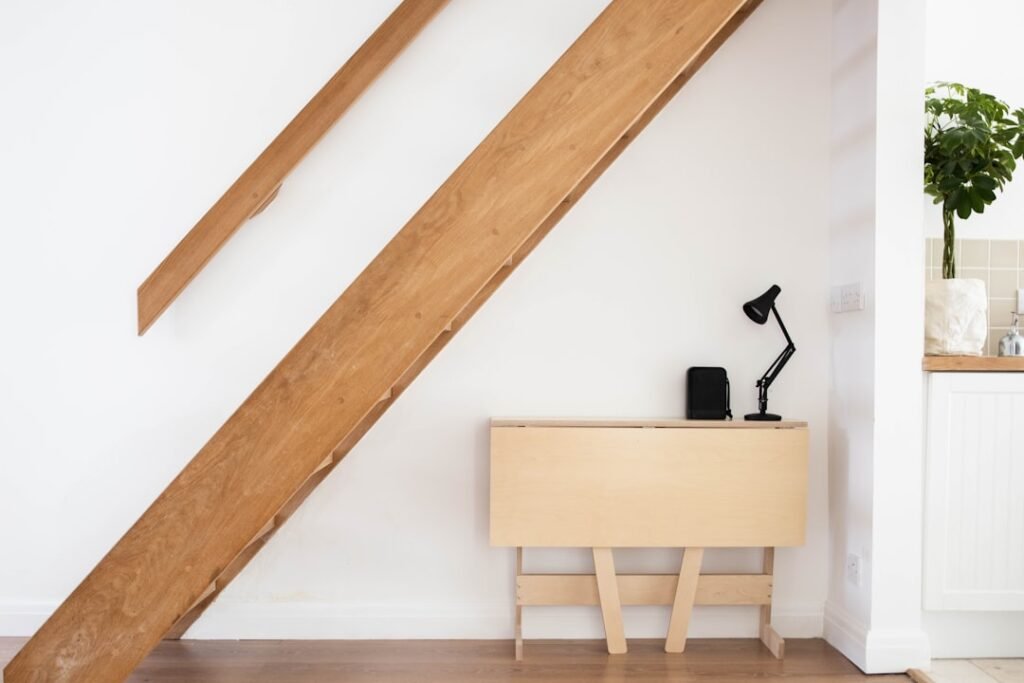
When you embark on the journey of creating your tiny home, enlisting the help of a floor plan designer can be a game-changer. A tiny home floor plan designer brings specialized knowledge and experience to the table, ensuring that every square foot of your space is utilized effectively. You may find that their expertise allows you to visualize your dream home in ways you hadn’t considered.
They can help you navigate the complexities of design, zoning laws, and building codes, which can be overwhelming for someone new to the process. Moreover, a designer can help you avoid common pitfalls that many first-time builders encounter. They understand the nuances of tiny home living and can suggest innovative solutions to maximize functionality.
For instance, they might recommend multi-purpose furniture or clever storage solutions that you might not have thought of on your own. By collaborating with a designer, you can create a space that not only meets your needs but also reflects your personal style and preferences.
Key Takeaways
- The Benefits of a Tiny Home Floor Plan Designer
- Expertise in maximizing space and functionality
- Customized designs to fit individual lifestyle and needs
- Incorporation of sustainable and eco-friendly features
- How to Choose the Right Tiny Home Floor Plan Designer
- Researching and comparing designer portfolios and styles
- Checking for experience and expertise in tiny home design
- Seeking recommendations and reading client testimonials
- Designing a Functional Tiny Home Floor Plan
- Prioritizing essential living spaces and multi-functional areas
- Utilizing smart storage solutions and space-saving furniture
- Considering natural light and ventilation for a comfortable living environment
- Maximizing Space in a Tiny Home Floor Plan
- Utilizing vertical space with loft areas and built-in storage
- Open floor plans and flexible furniture arrangements
- Incorporating outdoor living spaces and multi-purpose rooms
- Incorporating Sustainable and Eco-Friendly Features in a Tiny Home Floor Plan
- Energy-efficient appliances and fixtures
- Use of recycled and environmentally friendly building materials
- Incorporating renewable energy sources such as solar panels
- Customizing Your Tiny Home Floor Plan to Fit Your Lifestyle
- Tailoring the layout to specific hobbies and activities
- Personalizing the design to accommodate individual needs and preferences
- Creating a space that reflects the homeowner’s personality and style
- Budgeting for a Tiny Home Floor Plan Designer
- Setting a clear budget and discussing cost expectations upfront
- Understanding the designer’s fee structure and payment schedule
- Planning for additional costs such as permits and site preparation
- Working with a Tiny Home Floor Plan Designer: What to Expect
- Collaborative design process with regular communication and feedback
- Detailed design proposals and 3D renderings for visualization
- Assistance with selecting materials and finishes
- Guidance through the construction and implementation phase
How to Choose the Right Tiny Home Floor Plan Designer
Reviewing Portfolios and Assessing Versatility
Look for designers with portfolios that showcase a variety of styles and layouts, allowing you to gauge their versatility and creativity. This will give you an idea of their ability to adapt to your unique needs and preferences.
Initial Consultations and Communication Style
Once you have a shortlist of potential designers, consider reaching out for consultations. This initial meeting is an opportunity for you to discuss your ideas and see how well the designer understands your vision. Pay attention to their communication style; a good designer should listen attentively and ask questions that help clarify your needs.
Ensuring a Smooth Collaboration
Inquire about their process and timeline to ensure it aligns with your expectations. Ultimately, choosing a designer who resonates with you personally will make the collaboration more enjoyable and productive, leading to a successful tiny home project that meets your needs and exceeds your expectations.
Designing a Functional Tiny Home Floor Plan
Designing a functional tiny home floor plan requires careful consideration of how you will use each space. Begin by identifying your daily routines and lifestyle needs. For example, if you work from home, you may need a dedicated workspace that doesn’t disrupt your living area.
By prioritizing your essential functions, you can create a layout that enhances your quality of life. Incorporating flexibility into your design is also key. Consider open-concept layouts that allow for easy movement and adaptability.
You might want to include movable partitions or furniture that can be rearranged based on your activities. This approach not only maximizes functionality but also creates an inviting atmosphere where you can entertain guests or enjoy quiet moments alone.
Maximizing Space in a Tiny Home Floor Plan
Maximizing space in a tiny home is both an art and a science. One effective strategy is to think vertically; utilizing wall space for storage can free up valuable floor area. Shelving units, hanging racks, and wall-mounted cabinets can all contribute to a more organized environment while keeping essential items within reach.
You might also consider incorporating lofted areas for sleeping or storage, which can significantly increase usable space without expanding the footprint of your home. Another important aspect of maximizing space is choosing furniture wisely. Opt for pieces that serve multiple purposes, such as a sofa bed or an ottoman with hidden storage.
This not only reduces clutter but also enhances the overall aesthetic of your home. Additionally, consider the flow of movement within your space; ensuring that pathways are clear and unobstructed will make even the smallest areas feel more open and inviting.
Incorporating Sustainable and Eco-Friendly Features in a Tiny Home Floor Plan
As you design your tiny home, incorporating sustainable and eco-friendly features can significantly enhance its appeal and functionality. Start by selecting materials that are both durable and environmentally friendly. Reclaimed wood, bamboo flooring, and recycled metal are excellent choices that contribute to a lower carbon footprint while adding character to your space.
Energy efficiency is another critical component of sustainable design. Consider installing solar panels or energy-efficient appliances to reduce your reliance on traditional power sources. Additionally, incorporating natural light through strategically placed windows can minimize the need for artificial lighting during the day.
By prioritizing sustainability in your design, you not only create a healthier living environment but also contribute positively to the planet.
Customizing Your Tiny Home Floor Plan to Fit Your Lifestyle
Your tiny home should be a reflection of who you are and how you live. Customizing your floor plan allows you to tailor every aspect of your space to suit your unique lifestyle. Start by considering your hobbies and interests; if you love cooking, for instance, you might want to invest in a larger kitchen area with high-quality appliances and ample counter space.
Additionally, think about how you want to use outdoor spaces. If gardening is important to you, consider incorporating a small deck or patio where you can enjoy nature while still being close to home. Customization extends beyond aesthetics; it’s about creating an environment that supports your daily activities and enhances your overall well-being.
Budgeting for a Tiny Home Floor Plan Designer
Budgeting for a tiny home floor plan designer is an essential step in the planning process. Begin by determining how much you are willing to invest in design services, keeping in mind that this is an important aspect of your overall project budget. Designers may charge by the hour or offer flat-rate packages, so it’s crucial to understand their pricing structure before committing.
As you create your budget, consider all associated costs beyond just the designer’s fees. This includes materials, permits, and construction expenses. It’s wise to set aside a contingency fund for unexpected expenses that may arise during the building process.
By having a clear financial plan in place, you can work with your designer more effectively and ensure that your vision remains within reach.
Working with a Tiny Home Floor Plan Designer: What to Expect
When working with a tiny home floor plan designer, expect an engaging and collaborative process. Initially, you’ll share your ideas and preferences, which will serve as the foundation for their design work. A good designer will take the time to understand not just what you want but also why those elements are important to you.
Throughout the design process, expect regular check-ins and opportunities for feedback. Your designer may present multiple layout options or revisions based on your input, allowing you to refine the vision until it feels just right. This iterative approach ensures that the final design aligns closely with your expectations while benefiting from the designer’s expertise.
In conclusion, partnering with a tiny home floor plan designer can significantly enhance your building experience, leading to a space that is both functional and reflective of your lifestyle. By carefully selecting the right designer, maximizing space creatively, incorporating sustainable features, customizing according to personal needs, budgeting wisely, and engaging actively throughout the process, you can turn your tiny home dream into reality. Embrace this journey with an open mind and heart; after all, this is not just about building a house but creating a home where memories will be made for years to come.
If you are interested in designing a tiny home floor plan, you may also want to check out an article on Better Home Contractor’s website about their services in Denton, Texas. They offer a variety of home improvement services, including custom floor plan design for tiny homes. You can learn more about their expertise in creating functional and stylish living spaces by visiting their website.
FAQs
What is a tiny home floor plan designer?
A tiny home floor plan designer is a professional who specializes in creating floor plans for small, compact living spaces. They are skilled in maximizing the use of space and creating functional layouts for tiny homes.
What does a tiny home floor plan designer do?
A tiny home floor plan designer works with clients to understand their needs and preferences for their tiny home. They then create customized floor plans that optimize the use of space, incorporate storage solutions, and ensure a comfortable living environment.
What skills does a tiny home floor plan designer need?
A tiny home floor plan designer needs to have a strong understanding of spatial design, interior layout, and architectural principles. They should also be knowledgeable about space-saving techniques, building codes, and construction materials suitable for tiny homes.
How can I work with a tiny home floor plan designer?
You can work with a tiny home floor plan designer by reaching out to design firms or individual designers specializing in tiny home floor plans. Many designers offer consultations to discuss your needs and ideas before creating a customized floor plan for your tiny home.
What are the benefits of hiring a tiny home floor plan designer?
Hiring a tiny home floor plan designer can help you make the most of your small living space. They can create a functional and aesthetically pleasing layout that maximizes storage, natural light, and overall livability within the constraints of a tiny home.