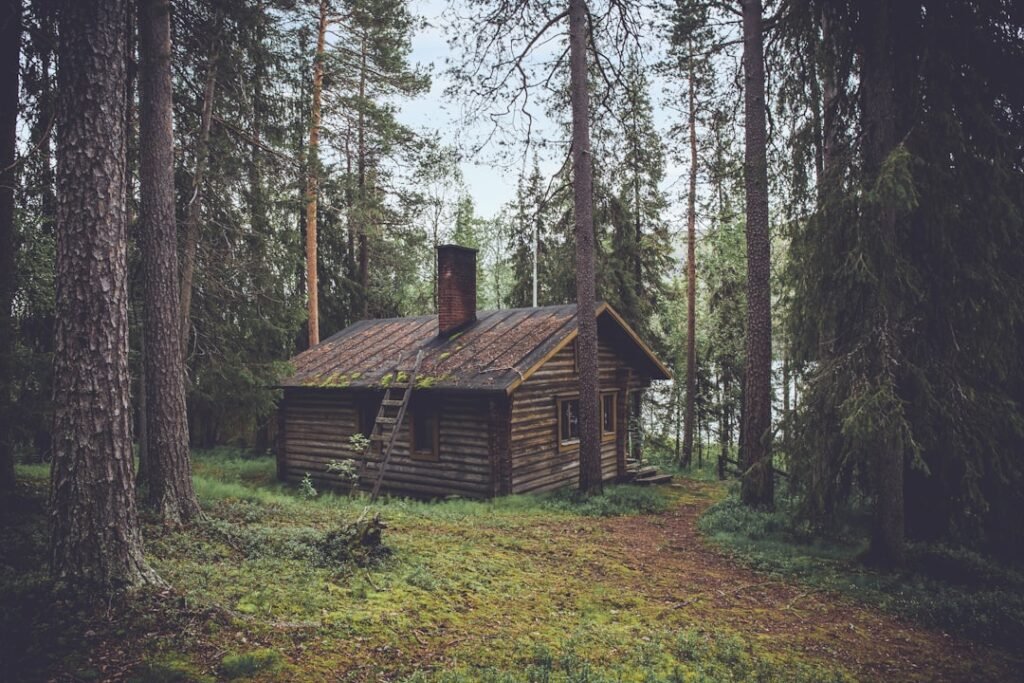
As you approach retirement, the idea of downsizing may become increasingly appealing. Transitioning to a smaller living space can offer numerous benefits that enhance your quality of life during your golden years. One of the most significant advantages is the reduction in maintenance and upkeep.
A smaller home means fewer rooms to clean, less yard work, and a simpler lifestyle overall. This newfound freedom allows you to spend more time pursuing hobbies, traveling, or simply enjoying the company of family and friends without the burden of home maintenance weighing you down. Additionally, downsizing can lead to substantial financial savings.
With a smaller home, you may find that your utility bills decrease, property taxes are lower, and insurance costs are reduced. These savings can be redirected toward experiences that enrich your retirement, such as travel or leisure activities. Moreover, selling your larger home can provide a significant influx of cash, which can be invested or used to fund your retirement lifestyle.
By simplifying your living situation, you not only create a more manageable environment but also open up new financial opportunities that can enhance your overall well-being.
Key Takeaways
- Downsizing for retirement can lead to financial freedom, reduced maintenance, and a simpler lifestyle.
- Designing a tiny home for aging in place involves incorporating universal design principles and accessibility features.
- Choosing the right location for a tiny home community requires considering factors such as climate, access to healthcare, and proximity to family and friends.
- Financial considerations for retirees living in a tiny home include upfront costs, ongoing expenses, and potential resale value.
- Creating a comfortable and functional living space in a tiny home involves maximizing storage, optimizing layout, and prioritizing multi-functional furniture.
Designing a Tiny Home for Aging in Place
When considering a tiny home for retirement, it’s essential to focus on designing a space that accommodates your needs as you age. Aging in place means creating an environment that allows you to live independently and comfortably, regardless of any physical limitations that may arise. Thoughtful design elements can make a significant difference in your daily life.
For instance, incorporating wide doorways and hallways can facilitate mobility, while single-level living eliminates the need for stairs, reducing the risk of falls. In addition to accessibility features, consider integrating smart home technology into your tiny home design. Smart devices can help you manage daily tasks more efficiently and enhance your safety.
For example, smart lighting can be programmed to turn on automatically as you move through your home, while security systems can provide peace of mind. Furthermore, designing spaces with natural light and ventilation can improve your overall well-being, creating a warm and inviting atmosphere that promotes relaxation and comfort.
Choosing the Right Location for a Tiny Home Community
Selecting the ideal location for your tiny home community is crucial to ensuring a fulfilling retirement experience. You want to find a place that not only meets your practical needs but also aligns with your lifestyle preferences. Consider proximity to essential services such as healthcare facilities, grocery stores, and recreational activities.
Living in a community that offers easy access to these amenities can significantly enhance your quality of life and provide peace of mind as you age. Moreover, think about the social aspects of your chosen location. A vibrant community with like-minded individuals can foster connections and friendships that enrich your retirement experience.
Look for areas that offer opportunities for social engagement, such as community centers or local events. Additionally, consider the natural surroundings; being close to parks or scenic landscapes can provide opportunities for outdoor activities and relaxation. Ultimately, the right location will support both your practical needs and your desire for a fulfilling social life.
Financial Considerations for Retirees Living in a Tiny Home
As you contemplate moving into a tiny home during retirement, it’s essential to evaluate the financial implications of this decision. While downsizing often leads to lower living expenses, it’s crucial to create a comprehensive budget that accounts for all potential costs associated with tiny home living. This includes not only the purchase price of the home but also ongoing expenses such as utilities, property taxes, and maintenance fees.
By carefully assessing these factors, you can ensure that your new lifestyle aligns with your financial goals. Additionally, consider the potential for increased financial flexibility that comes with tiny home living. With lower monthly expenses, you may find it easier to allocate funds toward experiences that matter most to you—whether that’s traveling to new destinations or investing in hobbies you’ve always wanted to pursue.
Furthermore, if you own the land on which your tiny home sits, you may have the opportunity to generate rental income by offering short-term rentals or hosting guests. This added income can provide an additional financial cushion during retirement.
Creating a Comfortable and Functional Living Space
Designing a comfortable and functional living space in a tiny home requires careful planning and creativity. You want to maximize every square foot while ensuring that your home feels inviting and livable. Start by prioritizing essential features that cater to your lifestyle needs.
For instance, consider an open floor plan that allows for seamless movement between spaces while making the area feel larger than it is. Multi-functional furniture—such as a sofa bed or expandable dining table—can also help you make the most of limited space. Incorporating personal touches into your tiny home design is equally important for creating a sense of comfort.
Choose colors and materials that resonate with you and reflect your personality. Adding elements like plants or artwork can bring warmth and character to your space. Additionally, consider storage solutions that keep clutter at bay while maintaining accessibility to your belongings.
Built-in shelves or under-bed storage can help you stay organized without sacrificing style or comfort.
Sustainable Living in a Tiny Home for Retirees
Sustainable living is an increasingly popular consideration for retirees looking to downsize into tiny homes. Embracing eco-friendly practices not only benefits the environment but can also lead to cost savings over time. When designing your tiny home, consider incorporating energy-efficient appliances and renewable energy sources such as solar panels.
These features can significantly reduce your carbon footprint while lowering utility bills—allowing you to enjoy a more sustainable lifestyle without compromising comfort. Moreover, sustainable living extends beyond just energy efficiency; it also encompasses mindful consumption and waste reduction. In a tiny home, you’ll naturally be encouraged to minimize possessions and prioritize quality over quantity.
This shift in mindset can lead to more intentional living, where you focus on experiences rather than material goods. Additionally, consider growing your own herbs or vegetables in small garden spaces or containers—this not only promotes sustainability but also enhances your connection to nature and provides fresh produce right at your doorstep.
Community and Social Opportunities in Tiny Home Living
One of the most rewarding aspects of tiny home living is the sense of community it fosters among residents. Many tiny home communities are designed with social interaction in mind, offering shared spaces where neighbors can gather and connect. This communal aspect can be particularly beneficial during retirement when social engagement becomes increasingly important for mental and emotional well-being.
Participating in community events or activities can help you forge lasting friendships and create a support network that enriches your retirement experience. Additionally, living in close proximity to others often leads to shared resources and collaborative opportunities. You might find yourself participating in group gardening projects or organizing potluck dinners with neighbors—activities that not only strengthen bonds but also promote a sense of belonging.
The shared experiences within a tiny home community can create lasting memories and provide a fulfilling social life that enhances your overall happiness during retirement.
Legal and Regulatory Considerations for Retirees Living in a Tiny Home
Before making the leap into tiny home living during retirement, it’s essential to familiarize yourself with the legal and regulatory considerations that may impact your decision. Zoning laws vary widely by location and can dictate where tiny homes are permitted—whether on private land or within designated communities. Researching local regulations will help you understand any restrictions or requirements associated with tiny home ownership.
Additionally, consider factors such as building codes and permits when designing or purchasing your tiny home. Ensuring compliance with these regulations is crucial for avoiding potential legal issues down the line. It may also be beneficial to consult with professionals who specialize in tiny homes or local housing authorities to navigate these complexities effectively.
By being proactive about legal considerations, you can enjoy peace of mind as you embark on this exciting new chapter of your life. In conclusion, downsizing into a tiny home during retirement offers numerous benefits that enhance both quality of life and financial stability. By thoughtfully designing your space for aging in place, choosing an ideal location, considering financial implications, creating functional living areas, embracing sustainability, fostering community connections, and navigating legal requirements, you can embark on this journey with confidence and excitement.
Embrace the possibilities that tiny home living presents as you enter this new phase of life—one filled with freedom, adventure, and fulfillment.
If you are considering a tiny home for retirement, you may also be interested in reading about the services offered by Better Home Contractor in Portland, Oregon. They specialize in creating custom homes that are energy-efficient and environmentally friendly, perfect for retirees looking to downsize and simplify their living space. Check out their website here for more information on how they can help you create your dream retirement home.
FAQs
What is a tiny home?
A tiny home is a small, often portable, dwelling that typically ranges from 100 to 400 square feet in size. It is designed to maximize space and minimize unnecessary features.
Why are tiny homes popular among retirees?
Tiny homes are popular among retirees because they offer a simpler, more affordable lifestyle with lower maintenance and living costs. They also allow retirees to downsize and live in a smaller, more manageable space.
What are the benefits of living in a tiny home for retirees?
The benefits of living in a tiny home for retirees include reduced expenses, lower maintenance, a smaller environmental footprint, and the ability to live a more minimalist lifestyle. Tiny homes also offer the opportunity for retirees to live in a community of like-minded individuals.
What are some considerations for retirees looking to move into a tiny home?
Retirees considering a move to a tiny home should consider factors such as accessibility, mobility, and healthcare access. They should also think about their specific needs and lifestyle preferences when choosing a tiny home design.
Are there any challenges associated with living in a tiny home as a retiree?
Challenges of living in a tiny home as a retiree may include limited space for visitors, potential difficulty with mobility, and the need to downsize belongings. Additionally, finding suitable locations for parking or placing a tiny home can be a challenge in some areas.