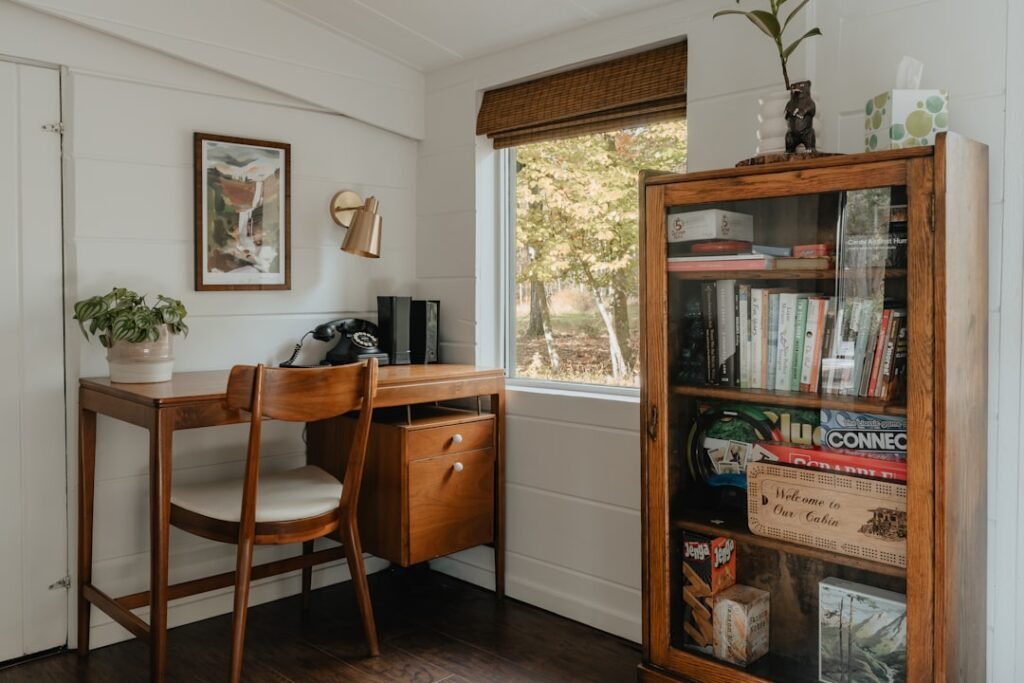
In recent years, the tiny home movement has gained significant traction, particularly in the realm of short-term rentals like Airbnb. As travelers increasingly seek unique and affordable accommodations, tiny homes have emerged as a popular choice. These compact living spaces offer a blend of charm, creativity, and sustainability that appeals to a wide range of guests.
The allure of tiny homes lies not only in their innovative designs but also in their ability to provide an intimate and memorable experience away from the hustle and bustle of traditional hotels. The rise of tiny homes for Airbnb rental can be attributed to several factors. First, the growing awareness of minimalism and sustainable living has led many individuals to embrace smaller living spaces.
Tiny homes often utilize eco-friendly materials and energy-efficient designs, making them attractive to environmentally conscious travelers. Additionally, the affordability of tiny homes compared to larger vacation rentals makes them an appealing option for budget-minded guests. As more people discover the joys of staying in a tiny home, the demand for these unique accommodations continues to rise.
Key Takeaways
- Tiny homes are becoming increasingly popular for Airbnb rentals due to their unique and cozy appeal.
- Travelers are drawn to tiny homes for their affordability, sustainability, and the opportunity to experience minimalist living.
- When designing and decorating a tiny home for Airbnb rental, it’s important to maximize space, prioritize functionality, and create a welcoming atmosphere.
- Legal and zoning considerations for renting out a tiny home on Airbnb vary by location and should be thoroughly researched and understood.
- Marketing and promoting a tiny home rental on Airbnb can be done through high-quality photos, detailed descriptions, and highlighting unique features.
Understanding the Appeal of Tiny Homes for Travelers
Charming Design and Space Efficiency
The charm of these homes often lies in their creative use of space, with clever storage solutions and multifunctional furniture that maximize every square foot. This innovative approach to design not only makes tiny homes visually appealing but also provides guests with a sense of adventure.
Connection to Nature
Moreover, tiny homes often offer a connection to nature that traditional accommodations may lack. Many tiny homes are situated in picturesque locations, surrounded by forests, mountains, or lakes.
Unwinding and Recharging
This proximity to nature allows travelers to unwind and recharge while enjoying outdoor activities such as hiking, kayaking, or simply relaxing by a campfire. The combination of unique design and natural surroundings creates an inviting atmosphere that resonates with many guests seeking a break from their daily routines.
Tips for Designing and Decorating a Tiny Home for Airbnb Rental
When it comes to designing and decorating a tiny home for Airbnb rental, maximizing space while maintaining comfort is key. Start by selecting multifunctional furniture that serves more than one purpose. For instance, a sofa bed can provide seating during the day and transform into a cozy sleeping area at night.
Additionally, consider incorporating built-in storage solutions, such as under-bed drawers or wall-mounted shelves, to keep the space organized and clutter-free. Aesthetic choices also play a crucial role in attracting guests. Opt for a cohesive color palette that creates a sense of harmony throughout the space.
Light colors can make a small area feel larger and more open, while pops of color can add personality and warmth. Incorporating natural materials like wood or stone can enhance the cozy atmosphere that many travelers seek in a tiny home. Finally, don’t forget to add personal touches such as artwork or local decor that reflects the surrounding area, creating an inviting environment that guests will remember long after their stay.
Legal and Zoning Considerations for Renting Out a Tiny Home on Airbnb
Before diving into the world of Airbnb rentals, it’s essential to understand the legal and zoning considerations associated with renting out a tiny home. Regulations can vary significantly depending on your location, so it’s crucial to research local laws regarding short-term rentals. Some municipalities may have specific zoning requirements or restrictions on where tiny homes can be placed, while others may require permits or licenses for rental properties.
Additionally, you should familiarize yourself with any homeowner association (HOA) rules if your tiny home is located within an HOA community. These regulations may impose restrictions on short-term rentals or require you to adhere to specific guidelines regarding property maintenance and guest behavior. By understanding and complying with these legal requirements, you can avoid potential fines or legal issues down the line.
Marketing and Promoting Your Tiny Home Rental on Airbnb
Once your tiny home is ready for guests, effective marketing is essential to attract potential renters. Start by creating an eye-catching listing on Airbnb that highlights the unique features of your property. Use high-quality photos that showcase both the interior and exterior of your tiny home, capturing its charm and inviting atmosphere.
Descriptive language is also important; emphasize the cozy design, nearby attractions, and any special amenities you offer. In addition to your Airbnb listing, consider promoting your tiny home rental through social media platforms and local tourism websites. Engaging with potential guests on platforms like Instagram or Facebook can help build excitement around your property.
You might also collaborate with local influencers or travel bloggers who can showcase your tiny home to their followers. By leveraging multiple marketing channels, you can increase visibility and attract a diverse range of travelers.
Managing and Maintaining a Tiny Home Rental for Airbnb Guests
Managing a tiny home rental requires attention to detail and proactive maintenance to ensure a positive guest experience. Start by establishing clear communication with your guests before their arrival. Provide them with essential information about check-in procedures, house rules, and local attractions.
Being responsive to inquiries can help build trust and set the tone for their stay. Regular maintenance is crucial in keeping your tiny home in top condition. Schedule routine inspections to check for any wear and tear or necessary repairs.
Since tiny homes often have limited space, cleanliness is paramount; ensure that every corner is spotless before each guest arrives. Additionally, consider providing thoughtful amenities such as fresh linens, toiletries, and kitchen essentials to enhance your guests’ experience and encourage positive reviews.
The Financial Benefits of Renting Out a Tiny Home on Airbnb
Renting out a tiny home on Airbnb can be a lucrative venture if managed effectively. One of the primary financial benefits is the potential for high occupancy rates due to the growing demand for unique accommodations. With travelers increasingly seeking out distinctive experiences, your tiny home could stand out among traditional lodging options, leading to consistent bookings throughout the year.
Moreover, operating costs for tiny homes are often lower than those for larger properties. Utilities such as heating and cooling may be more manageable due to the smaller square footage, allowing you to maximize your profit margins. Additionally, if you choose to invest in eco-friendly features like solar panels or rainwater collection systems, you may save on utility bills while appealing to environmentally conscious travelers willing to pay a premium for sustainable accommodations.
Potential Challenges and Pitfalls of Renting Out a Tiny Home on Airbnb
While renting out a tiny home on Airbnb presents numerous opportunities, it’s essential to be aware of potential challenges that may arise. One common pitfall is managing guest expectations regarding space limitations. Some travelers may not be accustomed to living in smaller quarters and could find it challenging to adjust during their stay.
To mitigate this issue, provide clear descriptions of your tiny home’s layout and amenities in your listing so guests know what to expect. Another challenge is navigating seasonal fluctuations in demand. Depending on your location, you may experience periods of high occupancy followed by slower months.
To counteract this variability, consider offering discounts during off-peak seasons or creating special packages that include local experiences or activities. By being proactive in addressing these challenges, you can enhance your chances of success in the competitive world of Airbnb rentals while providing memorable experiences for your guests.
If you are considering investing in a tiny home for Airbnb rental, you may want to check out this article on