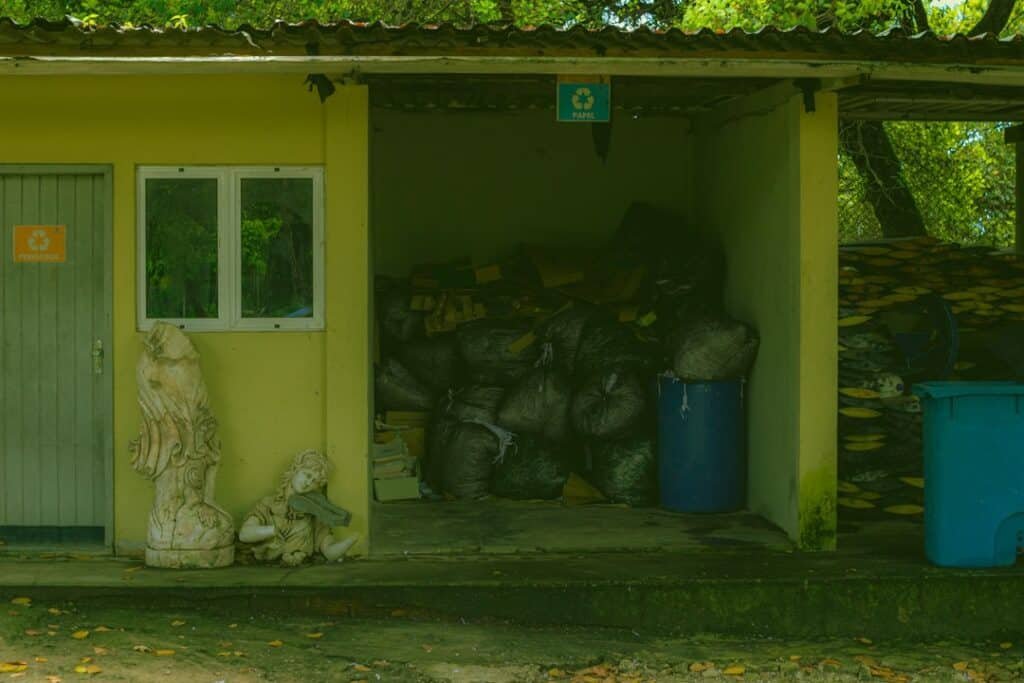
Renovation projects, whether they involve a simple room makeover or a complete home overhaul, generate a significant amount of debris and waste. Heavy-duty trash bags play a crucial role in managing this waste effectively. Unlike standard trash bags, which may tear or puncture under the weight of heavy materials, heavy-duty options are designed to withstand the rigors of construction debris.
They are typically made from thicker plastic, which provides enhanced durability and resistance to tearing, making them ideal for containing everything from broken tiles and drywall scraps to old furniture and appliances. Moreover, the importance of using heavy-duty trash bags extends beyond mere containment. During renovations, the risk of injury from sharp objects or hazardous materials is heightened.
A robust trash bag can help mitigate these risks by securely holding potentially dangerous items until they can be disposed of properly. This not only protects the workers on-site but also ensures that the surrounding environment remains safe and clean. In essence, heavy-duty trash bags are an indispensable tool in the renovation cleanup process, providing both safety and efficiency.
Key Takeaways
- Heavy-duty trash bags are essential for renovation cleanup to handle the heavy and sharp debris effectively.
- Choosing the right size and strength of trash bags is crucial to ensure they can hold the amount and weight of renovation waste.
- Durable trash bags help protect your home and worksite from potential leaks, tears, and odors during renovation cleanup.
- Eco-friendly trash bag options provide a sustainable choice for renovation cleanup, reducing environmental impact.
- Proper disposal of renovation waste in trash bags is important for maintaining cleanliness and safety in the renovation process.
Choosing the Right Size and Strength for Your Renovation Project
Selecting the appropriate size and strength of trash bags is critical for effective renovation cleanup. The size of the bag should correspond to the volume of waste generated during the project. For smaller renovations, such as a bathroom update, 30-gallon bags may suffice.
However, larger projects, like a kitchen remodel or a full home renovation, may require 55-gallon bags or even larger options to accommodate bulky items. Choosing the right size not only ensures that you can fit all your waste into the bags but also minimizes the number of bags needed, streamlining the cleanup process. Strength is another vital consideration when selecting trash bags for renovation projects.
Heavy-duty bags are typically rated by their weight capacity, often measured in mils (thousandths of an inch). A bag with a thickness of 3 mils or more is generally considered heavy-duty and suitable for construction debris. It’s essential to assess the types of materials you will be disposing of; for instance, if your renovation involves tearing down walls or removing heavy fixtures, opting for bags with higher weight capacities will prevent breakage and spillage.
By carefully considering both size and strength, you can ensure that your renovation cleanup is efficient and hassle-free.
Protecting Your Home and Worksite with Durable Trash Bags
Using durable trash bags during a renovation not only aids in waste management but also plays a significant role in protecting your home and worksite. Renovations can create a chaotic environment filled with dust, debris, and potential hazards. By utilizing heavy-duty trash bags, you can contain this mess effectively, preventing it from spreading throughout your home or workspace.
This containment is particularly important in residential settings where living areas are adjacent to work zones; it helps maintain a semblance of order and cleanliness. Additionally, durable trash bags can help protect your property from damage caused by sharp or heavy debris. For example, when disposing of broken glass or metal scraps, a sturdy bag can prevent these materials from puncturing through and causing injury or further mess.
Furthermore, using high-quality trash bags can also minimize odors associated with waste disposal, especially when dealing with organic materials or other unpleasant refuse. By prioritizing protection through the use of durable trash bags, you create a safer and more organized environment for both workers and residents.
Eco-Friendly Options for Sustainable Renovation Cleanup
As awareness of environmental issues grows, many renovators are seeking eco-friendly options for waste disposal. Fortunately, there are several sustainable alternatives to traditional plastic trash bags available on the market today. Biodegradable trash bags are made from materials that break down more quickly than conventional plastics, reducing their impact on landfills.
These bags are often made from plant-based materials such as cornstarch or other renewable resources, making them an excellent choice for environmentally conscious renovators. In addition to biodegradable options, some companies offer recycled trash bags made from post-consumer waste. These bags not only help reduce plastic consumption but also promote recycling efforts by giving new life to discarded materials.
When planning a renovation project, consider incorporating these eco-friendly trash bag options into your cleanup strategy. Not only will you be contributing to a healthier planet, but you may also inspire others in your community to adopt more sustainable practices during their own renovation endeavors.
Tips for Properly Disposing of Renovation Waste in Trash Bags
Proper disposal of renovation waste is essential for maintaining safety and compliance with local regulations. When using trash bags for cleanup, it’s important to follow specific guidelines to ensure that waste is handled appropriately. First and foremost, avoid overfilling trash bags; doing so can lead to tears or spills during transport.
Instead, fill each bag to a manageable level, allowing for easy handling and secure closure. Additionally, it’s crucial to separate different types of waste before placing them in trash bags. For instance, hazardous materials such as paints, solvents, or chemicals should be disposed of according to local regulations rather than thrown away in standard trash bags.
Many communities have designated drop-off locations for hazardous waste that ensure safe disposal. By taking the time to sort and dispose of materials correctly, you not only comply with legal requirements but also contribute to a safer environment for everyone involved in the renovation process.
Organizing and Sorting Renovation Debris with Different Colored Trash Bags
One effective strategy for managing renovation debris is to use different colored trash bags for sorting various types of waste. This method not only simplifies the cleanup process but also enhances organization on-site. For example, you might designate black bags for general construction debris like wood scraps and drywall while using green bags for recyclable materials such as cardboard and plastic.
By visually distinguishing between types of waste, workers can quickly identify where to place items without confusion. Implementing a color-coded system can also facilitate easier disposal at waste management facilities. Many recycling centers require specific sorting of materials; having them pre-sorted into different colored bags can streamline the process and reduce the time spent at disposal sites.
Furthermore, this method encourages workers to be more mindful about waste management practices during renovations, fostering a culture of responsibility and efficiency on-site.
Using Trash Bags for Hazardous Materials and Specialized Renovation Waste
Certain renovation projects may involve hazardous materials that require special handling and disposal procedures. Items such as asbestos-laden materials, lead paint chips, or chemical containers must be treated with care to prevent health risks to workers and residents alike. While heavy-duty trash bags can be used for some hazardous materials, it’s essential to ensure that they are specifically designed for this purpose.
Specialized hazardous waste bags are often thicker and may feature warning labels to indicate their contents. When dealing with hazardous materials, it’s crucial to follow local regulations regarding disposal methods. Many municipalities have strict guidelines governing how these materials should be handled and where they can be disposed of safely.
In some cases, it may be necessary to hire professional services that specialize in hazardous waste removal to ensure compliance with safety standards. By using appropriate trash bags and adhering to regulations, renovators can protect themselves and their communities from potential harm associated with hazardous waste.
The Benefits of Using Contractor-Grade Trash Bags for Professional Renovation Projects
For professional contractors engaged in renovation projects, investing in contractor-grade trash bags is often a wise decision. These bags are specifically designed to meet the demands of heavy-duty use in construction environments. They typically feature reinforced seams and higher weight capacities than standard consumer-grade options, making them ideal for handling large volumes of debris without risk of tearing or failure.
Moreover, contractor-grade trash bags often come in larger quantities or bulk packaging, which can be more cost-effective for professionals managing extensive projects. This bulk purchasing option ensures that contractors have an ample supply on hand without needing frequent trips to the store during busy workdays. Additionally, many contractor-grade options are designed with features such as drawstring closures or easy-tie tops that facilitate secure sealing and transport of waste materials.
By utilizing these specialized trash bags, contractors can enhance their efficiency while ensuring that their job sites remain clean and organized throughout the renovation process.
If you are looking for tips on sustainable weatherproofing in historical renovations, check out this article on