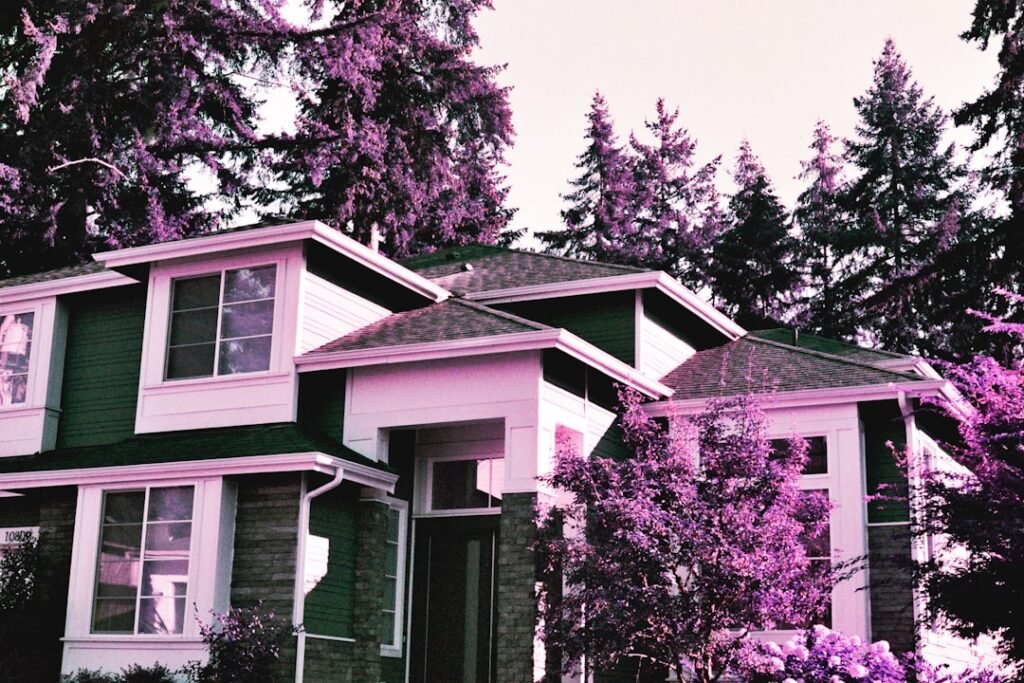
When embarking on the journey of building your custom home, the first step is to gain a clear understanding of your needs and budget. This foundational phase is crucial, as it sets the tone for the entire project. You should begin by reflecting on your lifestyle, family dynamics, and future aspirations.
Consider how many bedrooms and bathrooms you require, whether you need a home office, or if you envision an open-concept living space. Each of these elements plays a significant role in shaping your dream home. Additionally, think about the features that are non-negotiable for you, such as energy efficiency, smart home technology, or outdoor living spaces.
Once you have a comprehensive list of your needs, it’s time to establish a realistic budget. This involves not only the cost of construction but also additional expenses such as permits, landscaping, and interior furnishings. You should take a close look at your finances and determine how much you can comfortably invest in this project.
It may be beneficial to consult with a financial advisor or mortgage broker to understand your options better. By having a clear budget in mind, you can avoid overspending and ensure that your dream home remains within reach.
Key Takeaways
- Understand your needs and budget before starting the custom home building process
- Research and shortlist custom home builders based on their expertise and experience
- Check credentials and references of potential builders to ensure their reliability
- Meet and interview potential builders to gauge their communication and understanding of your vision
- Discuss design and customization options with the chosen builder to ensure they align with your vision
Researching and Shortlisting Custom Home Builders
With a solid understanding of your needs and budget, the next step is to research and shortlist potential custom home builders. This process can be both exciting and overwhelming, given the multitude of options available. Start by seeking recommendations from friends, family, or colleagues who have recently built homes.
Their firsthand experiences can provide valuable insights into the builders they worked with and the quality of their work. In addition to personal recommendations, utilize online resources to gather information about local builders. Websites like Houzz or Yelp can offer reviews and ratings from previous clients, helping you gauge the reputation of various builders.
Pay attention to their portfolios as well; a builder’s past projects can give you an idea of their style and craftsmanship. As you compile your list, consider factors such as the builder’s experience, specialties, and whether they have worked on projects similar to yours. This research will help you narrow down your options to a select few builders who align with your vision.
Checking Credentials and References
Once you have shortlisted potential builders, it’s essential to check their credentials and references thoroughly. This step is vital in ensuring that you are entrusting your project to qualified professionals. Start by verifying their licenses and insurance coverage.
A reputable builder should hold all necessary licenses required by your state or local government, as well as liability insurance to protect you from any unforeseen accidents during construction. In addition to checking credentials, reach out to references provided by the builders. Speaking directly with past clients can offer invaluable insights into their experiences.
Ask about the quality of work, adherence to timelines, communication styles, and how any issues were handled during the building process. This feedback will help you assess whether a builder is reliable and trustworthy. If possible, visit some of their completed projects to see the quality of craftsmanship firsthand.
This due diligence will give you peace of mind as you move forward in selecting the right builder for your custom home.
Meeting and Interviewing Potential Builders
After narrowing down your list based on credentials and references, it’s time to meet and interview potential builders. This face-to-face interaction is crucial for establishing rapport and understanding how well you communicate with each other. Prepare a list of questions that cover various aspects of the building process, including timelines, project management, subcontractors, and how they handle changes or unexpected challenges.
During these meetings, pay attention not only to the answers provided but also to the builder’s demeanor and willingness to listen to your ideas. A good builder should be open to collaboration and eager to incorporate your vision into their plans. Take note of how they communicate; clear and transparent communication is essential for a successful partnership throughout the building process.
Trust your instincts during these meetings; if something feels off or if you sense a lack of enthusiasm for your project, it may be worth considering other options.
Discussing Design and Customization Options
Once you’ve selected a builder that aligns with your vision and values, it’s time to delve into the design and customization options available for your new home. This stage is where your dreams begin to take shape, so it’s essential to communicate your ideas clearly. Discuss architectural styles that resonate with you—whether it’s modern, traditional, or something entirely unique—and explore how these styles can be integrated into your home’s design.
Customization goes beyond aesthetics; it also encompasses functional elements that enhance your living experience. Consider discussing layout options that maximize space efficiency while catering to your lifestyle needs. For instance, if you love entertaining guests, an open floor plan with a spacious kitchen may be ideal.
Additionally, think about energy-efficient features such as solar panels or high-quality insulation that can save you money in the long run. Collaborate closely with your builder during this phase to ensure that every detail aligns with your vision.
Understanding the Building Process and Timeline
As you move forward with your custom home project, it’s crucial to have a clear understanding of the building process and timeline. Your builder should provide you with a detailed outline of each phase of construction, from breaking ground to final inspections. Familiarize yourself with key milestones along the way so that you can track progress effectively.
Understanding the timeline is equally important; delays can occur due to various factors such as weather conditions or supply chain issues. Having realistic expectations will help you remain patient throughout the process. Regular communication with your builder will keep you informed about any changes or adjustments needed along the way.
By staying engaged and proactive during this phase, you can ensure that your dream home is built efficiently and according to plan.
Negotiating Contracts and Payment Terms
Once you are satisfied with the design and timeline, it’s time to negotiate contracts and payment terms with your chosen builder. This step is critical in protecting both parties’ interests throughout the construction process. Ensure that all aspects of the project are clearly outlined in the contract, including costs, payment schedules, warranties, and any contingencies for unexpected expenses.
When discussing payment terms, consider whether a fixed-price contract or a cost-plus contract is more suitable for your project. A fixed-price contract provides certainty regarding costs but may limit flexibility for changes during construction. On the other hand, a cost-plus contract allows for adjustments but requires careful monitoring of expenses.
Whichever option you choose, make sure that both parties are comfortable with the terms before signing anything.
Ensuring Quality and Communication throughout the Building Process
As construction begins on your custom home, maintaining quality and communication throughout the process is paramount. Regular check-ins with your builder will help ensure that everything is progressing according to plan while allowing you to address any concerns promptly. Establishing a communication schedule can be beneficial; whether it’s weekly meetings or bi-weekly updates via email, staying informed will help alleviate any anxieties.
Quality assurance should also be a priority during construction. Don’t hesitate to ask questions or request updates on specific aspects of the build that are important to you. If possible, visit the site regularly to observe progress firsthand; this involvement can foster a sense of connection to your new home as it takes shape.
By prioritizing open communication and quality assurance throughout the building process, you can ensure that your dream home becomes a reality without unnecessary stress or complications. In conclusion, building a custom home is an exciting yet complex journey that requires careful planning and collaboration with skilled professionals. By understanding your needs and budget upfront, researching potential builders thoroughly, checking credentials and references diligently, meeting potential builders face-to-face, discussing design options openly, understanding the building process clearly, negotiating contracts wisely, and ensuring quality communication throughout construction, you can navigate this journey successfully.
With patience and diligence, you will soon find yourself stepping into a home that reflects your unique vision and lifestyle—a place where memories will be made for years to come.
If you are interested in age-proofing your home and ensuring accessibility and safety solutions for seniors, you may want to check out the article Age-Proofing Your Home: Accessibility and Safety Solutions for Seniors. This article provides valuable tips and insights on how to make your home more senior-friendly.
FAQs
What is a custom home builder?
A custom home builder is a professional who specializes in building unique, one-of-a-kind homes according to the specific needs and desires of the homeowner.
What should I look for in a custom home builder?
When searching for a custom home builder, it’s important to look for experience, a solid reputation, and a portfolio of past projects that align with your vision for your home. It’s also crucial to ensure that the builder is properly licensed and insured.
How can I find a reputable custom home builder?
You can find a reputable custom home builder by asking for recommendations from friends, family, and real estate professionals. Additionally, you can research builders online, read reviews, and visit homes they have built to assess their quality of work.
What questions should I ask a custom home builder before hiring them?
Before hiring a custom home builder, it’s important to ask about their experience, qualifications, licensing and insurance, references, and the process they follow for building a custom home. It’s also important to discuss timelines, budgets, and any specific requirements you have for your home.
What are the benefits of hiring a custom home builder?
Hiring a custom home builder allows you to create a home that is tailored to your specific needs, preferences, and lifestyle. You have the opportunity to be involved in the design and construction process, ensuring that the end result is exactly what you envisioned.