What Are the 7 Steps of the Site Preparation Process?
When embarking on any construction project, the importance of site preparation cannot be overstated. This initial phase lays the groundwork for everything that follows, ensuring that the site is ready for the construction process. You may not realize it, but the success of your project hinges on how well you prepare the site.
Proper site preparation involves a series of steps that include evaluating the land, clearing debris, grading, and ensuring that utilities are in place. Each of these steps is crucial in creating a solid foundation for your building or infrastructure. Understanding the significance of site preparation is essential for anyone involved in construction, whether you are a contractor, architect, or property owner.
It is not merely about clearing land; it is about creating a safe and efficient environment for construction activities. By investing time and resources into thorough site preparation, you can mitigate potential issues that may arise later in the project. This proactive approach can save you time, money, and stress, allowing you to focus on bringing your vision to life.
Key Takeaways
- Proper site preparation is essential for the success of any construction project
- Site evaluation and planning are crucial for determining the best use of the land and minimizing environmental impact
- Clearing and demolition must be done carefully to ensure safety and minimize damage to surrounding areas
- Grading and excavation are important for creating a stable foundation for the construction
- Drainage and erosion control measures are necessary to prevent water damage and soil erosion on the site
Site Evaluation and Planning
Assessing the Site
This step involves assessing the land’s topography, soil quality, and existing vegetation. You should consider factors such as drainage patterns, proximity to utilities, and any environmental regulations that may apply.
Identifying Potential Challenges
By conducting a thorough evaluation, you can identify potential challenges that could impact your project. For instance, if the soil is unstable or contaminated, you may need to take additional measures to ensure safety and compliance.
Planning for Success
Once you have gathered all relevant information during the evaluation phase, the next step is planning. This involves creating a detailed site plan that outlines where structures will be placed, how traffic will flow on-site, and where utilities will be installed. You should also consider the layout of any landscaping or outdoor spaces. A well-thought-out plan not only enhances functionality but also contributes to the aesthetic appeal of the finished project. By taking the time to plan meticulously, you set yourself up for success as you move forward with construction.
Clearing and Demolition

With a solid plan in place, you can move on to the clearing and demolition phase. This step involves removing any existing structures, trees, or debris from the site. Depending on the previous use of the land, this process can vary significantly in complexity.
If there are old buildings to demolish, you must ensure that this is done safely and in compliance with local regulations. You may need to hire specialized contractors who are experienced in demolition work to handle this aspect effectively. Clearing the land also includes removing vegetation and any obstacles that could hinder construction activities.
This process not only prepares the site for grading but also helps prevent potential hazards during construction. As you clear the area, it’s essential to consider environmental impacts and adhere to regulations regarding tree removal and wildlife habitats. By approaching this phase with care and responsibility, you can create a clean slate for your project while minimizing negative effects on the surrounding ecosystem.
Grading and Excavation
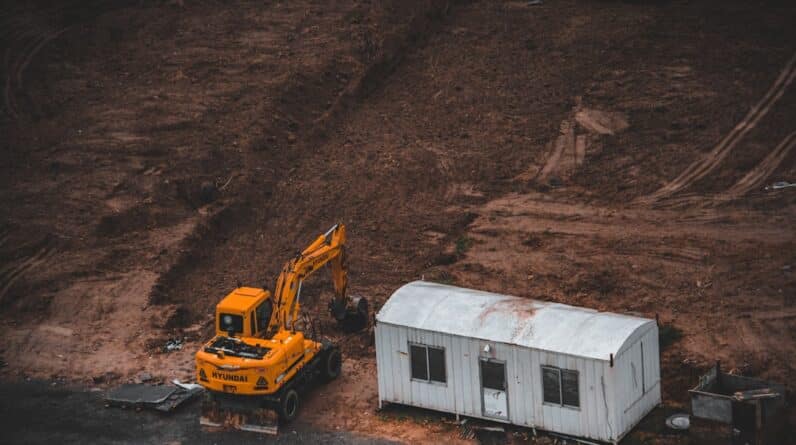
Once the site is cleared, grading and excavation become your next focus. Grading involves leveling the ground to create a stable base for construction. This step is crucial because uneven terrain can lead to structural issues down the line.
You should work with professionals who understand how to grade properly based on your specific project requirements. They will use heavy machinery to reshape the land according to your site plan, ensuring that water drains away from structures and does not pool around foundations. Excavation may also be necessary during this phase, especially if your project requires digging foundations or basements.
This process involves removing soil and rock to reach the desired depth for your building’s foundation. It’s important to take soil conditions into account during excavation; different soil types can affect how deep you need to dig and what kind of foundation will be most effective. By paying close attention to grading and excavation, you create a solid foundation that supports your entire construction project.
Drainage and Erosion Control
Effective drainage and erosion control are critical components of site preparation that often go overlooked. Proper drainage systems help manage water runoff and prevent flooding around your construction site. You should consider installing drainage ditches or French drains to direct water away from structures and ensure that it flows naturally across the landscape.
This proactive approach not only protects your investment but also contributes to the longevity of your building. Erosion control measures are equally important, especially if your site is located on a slope or near water bodies. Without proper erosion control, heavy rains can wash away soil and compromise the integrity of your site.
You might want to implement strategies such as silt fences or sediment basins to capture runoff and prevent soil loss during construction. By addressing drainage and erosion control early in the site preparation process, you safeguard both your project and the surrounding environment from potential damage.
Utility Installation

As your site preparation progresses, utility installation becomes a key focus area. This step involves bringing essential services such as water, electricity, gas, and sewage systems to your site. You should coordinate with local utility companies to ensure that all necessary connections are made efficiently and safely.
Proper planning during this phase is crucial; if utilities are not installed correctly or are placed inappropriately, it can lead to costly delays later in the project. In addition to connecting utilities, you must also consider how they will be integrated into your overall site design. This includes planning for access points and ensuring that utility lines do not interfere with future landscaping or construction elements.
By taking a comprehensive approach to utility installation during site preparation, you create a seamless integration of services that supports your building’s functionality while adhering to local codes and regulations.
Final Site Inspection
After completing all necessary preparations, conducting a final site inspection is essential before moving forward with construction. This inspection allows you to verify that all previous steps have been executed correctly and that the site is ready for building activities. During this phase, you should check for any remaining debris, ensure that grading is level, and confirm that drainage systems are functioning as intended.
Involving professionals in this final inspection can provide an additional layer of assurance. They can identify any overlooked issues or potential problems that could arise during construction. By addressing these concerns before breaking ground, you minimize risks and set a positive tone for the rest of your project.
A thorough final inspection ensures that you have laid a solid foundation for success as you transition into the construction phase.
Conclusion and Importance of Proper Site Preparation
In conclusion, proper site preparation is an indispensable aspect of any construction project that should never be underestimated. From initial evaluations to final inspections, each step plays a vital role in ensuring that your project runs smoothly and efficiently. By investing time and resources into thorough site preparation, you not only enhance safety but also improve overall project outcomes.
As you embark on your construction journey, remember that meticulous site preparation sets the stage for everything that follows. It allows you to identify potential challenges early on and address them proactively, saving you time and money in the long run. Ultimately, by prioritizing proper site preparation, you pave the way for a successful construction project that meets both your vision and regulatory requirements while contributing positively to the surrounding environment.
If you are looking for a reliable home contractor to help you with site preparation, you may want to check out Better Home Contractor in Kent, Washington. They offer a wide range of services to assist you in the site preparation process. In fact, they have recently completed a project in Coral Springs, Florida, showcasing their expertise in this field. For more information on their services and how they can help you with your site preparation needs, visit their website here.
FAQs
What is site preparation?
Site preparation is the process of clearing, grading, and leveling a piece of land in preparation for construction or development.
What are the 7 steps of the site preparation process?
1. Site evaluation and surveying
2. Clearing and demolition
3. Earthwork and grading
4. Soil compaction
5. Drainage and erosion control
6. Utility installation
7. Final inspection and approval
Why is site preparation important?
Site preparation is important because it ensures that the land is properly graded and prepared for construction, which can help prevent issues such as drainage problems, soil erosion, and structural instability in the future.
Who is responsible for site preparation?
Site preparation is typically the responsibility of the property owner or the developer who is planning to build on the land. They may hire a professional site preparation contractor to carry out the necessary work.
How long does the site preparation process take?
The duration of the site preparation process can vary depending on the size and complexity of the project, as well as the specific requirements of the site. It can range from a few days to several weeks.
What equipment is used in site preparation?
Equipment commonly used in site preparation includes bulldozers, excavators, graders, compactors, dump trucks, and various attachments such as rippers and hydraulic hammers.
What are the potential challenges in site preparation?
Challenges in site preparation can include environmental regulations, unexpected soil conditions, existing infrastructure, and coordination with utility providers. It’s important to address these challenges to ensure a smooth site preparation process.