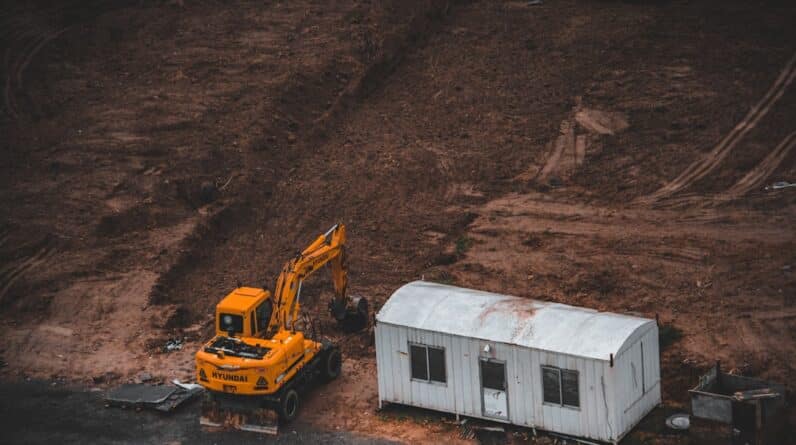
When embarking on any construction project, it is crucial for you to have a solid understanding of the geological hazards that may be present in the area. Geological hazards can range from landslides and earthquakes to sinkholes and flooding, each posing unique risks to your project. By familiarizing yourself with these potential threats, you can better prepare for them and mitigate their impact on your construction efforts.
This understanding not only protects your investment but also ensures the safety of workers and future occupants. To gain insight into the geological hazards specific to your location, you should conduct thorough research. This may involve reviewing geological maps, consulting local geological surveys, and studying historical data on past events.
Engaging with local authorities or geological experts can provide you with valuable information about the area’s soil composition, seismic activity, and any previous incidents that have occurred. By taking these steps, you can develop a comprehensive picture of the risks involved and make informed decisions moving forward.
Key Takeaways
- Understanding the geological hazards in the area is crucial for identifying potential risks to construction projects.
- Conducting a comprehensive site investigation helps in gathering important data and information about the geological conditions of the area.
- Engaging with geotechnical engineers and experts can provide valuable insights and recommendations for mitigating geological hazards.
- Implementing proper drainage and erosion control measures is essential for preventing potential damage to the construction site.
- Choosing the right foundation and building materials that are suitable for the geological conditions of the area is important for ensuring the stability and safety of the structure.
Conducting a Comprehensive Site Investigation
Understanding the Land
Once you have a grasp of the geological hazards in your area, the next step is to conduct a comprehensive site investigation. This process involves a detailed examination of the land where you plan to build, allowing you to identify any specific issues that may affect your project. A thorough site investigation typically includes soil sampling, testing for contaminants, and assessing the physical characteristics of the land.
Uncovering Potential Problems
By investing time and resources into this investigation, you can uncover potential problems before they escalate into costly setbacks. During the site investigation, you should also consider factors such as groundwater levels and drainage patterns. Understanding how water interacts with the soil can help you anticipate issues related to erosion or flooding.
Ensuring Safety and Longevity
Additionally, it is essential to evaluate the stability of the ground and identify any areas that may be prone to shifting or settling. By gathering this information, you can make informed decisions about design and construction methods that will enhance the safety and longevity of your project.
Engaging with Geotechnical Engineers and Experts
Engaging with geotechnical engineers and other experts is a vital step in ensuring the success of your construction project. These professionals possess specialized knowledge and skills that can help you navigate the complexities of geological hazards. By collaborating with them, you can gain insights into the best practices for addressing potential risks and implementing effective solutions tailored to your specific site conditions.
When working with geotechnical engineers, it is essential to communicate openly about your project goals and any concerns you may have regarding geological hazards. They can conduct advanced analyses, such as slope stability assessments or seismic evaluations, to provide you with a clearer understanding of the risks involved. Their expertise will enable you to make informed decisions about design modifications or construction techniques that can enhance safety and minimize potential hazards.
Implementing Proper Drainage and Erosion Control Measures
One of the most effective ways to mitigate geological hazards is by implementing proper drainage and erosion control measures. Water management plays a critical role in maintaining the stability of your construction site and preventing issues such as landslides or flooding. You should assess the natural drainage patterns of your site and design a system that effectively channels water away from critical areas.
In addition to drainage systems, erosion control measures are essential for protecting soil integrity during construction. Techniques such as silt fencing, sediment basins, and vegetation planting can help stabilize soil and prevent erosion caused by heavy rainfall or construction activities. By proactively addressing these concerns, you can safeguard your project from potential geological hazards while promoting environmental sustainability.
Choosing the Right Foundation and Building Materials
Selecting the right foundation and building materials is crucial for ensuring the structural integrity of your project in the face of geological hazards. The foundation serves as the backbone of your structure, so it must be designed to withstand potential ground movement or shifting soil conditions. You should work closely with your geotechnical engineer to determine the most suitable foundation type based on soil characteristics and anticipated loads.
In addition to foundation considerations, choosing appropriate building materials is equally important. Materials that are resilient to environmental stressors—such as moisture-resistant wood or reinforced concrete—can enhance the durability of your structure. By prioritizing quality materials and sound engineering practices, you can create a building that not only meets safety standards but also stands the test of time against geological challenges.
Developing an Emergency Response Plan
Key Elements of an Emergency Response Plan
A comprehensive emergency response plan should outline clear procedures for evacuating personnel, securing equipment, and communicating with local authorities in case of an incident.
Training and Drills: The Key to Success
Conducting regular drills and training sessions with your team is essential to ensure everyone understands their roles and responsibilities in an emergency situation. This will help to minimize confusion and ensure a swift response.
Review and Update: Staying Ahead of Hazards
Regularly reviewing and updating the emergency response plan is vital to keep it relevant as conditions change or new hazards emerge. By being proactive in your planning, you can foster a culture of safety on your construction site and minimize risks associated with geological hazards.
Obtaining Necessary Permits and Compliance with Regulations
Navigating the regulatory landscape is an essential aspect of any construction project, particularly when dealing with geological hazards. You must obtain all necessary permits before commencing work to ensure compliance with local laws and regulations. This process often involves submitting detailed plans that demonstrate how you will address potential hazards and protect public safety.
Engaging with local authorities early in your project can help streamline this process. They can provide guidance on specific requirements related to geological hazards in your area, as well as any additional permits that may be necessary for drainage or erosion control measures. By prioritizing compliance from the outset, you can avoid costly delays or legal issues down the line.
Educating and Training Construction Personnel on Geological Hazards and Safety Measures
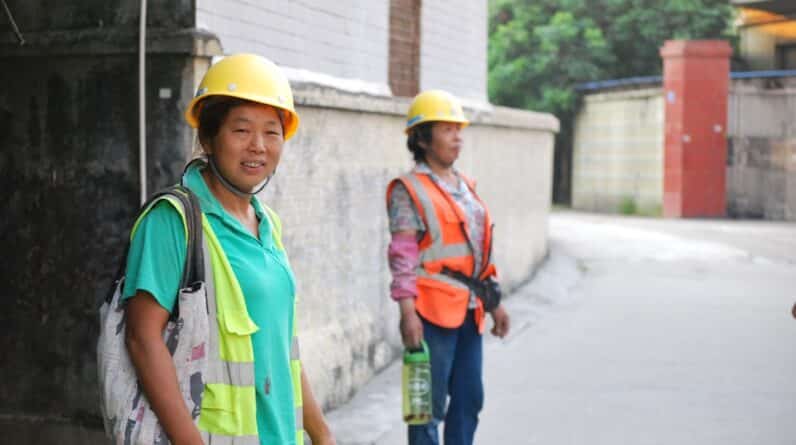
Finally, educating and training your construction personnel on geological hazards and safety measures is paramount for fostering a safe work environment. Your team should be well-informed about the specific risks associated with your project site and trained in best practices for mitigating those risks. Regular safety meetings and training sessions can help reinforce this knowledge and ensure that everyone is prepared to respond effectively in case of an emergency.
In addition to formal training programs, consider providing resources such as informational pamphlets or access to online courses related to geological hazards. Encouraging open communication among team members about safety concerns can also create a culture of vigilance on-site. By prioritizing education and training, you empower your personnel to take an active role in maintaining safety standards while navigating the complexities of geological hazards during construction projects.
When considering site-preparation for building on land with potential geological hazards, it is important to collaborate with local craftsmen who understand the unique challenges of the region. An article on Artisans of the Land: Collaborating with Local Craftsmen for Authentic Regional Designs highlights the importance of working with skilled artisans who can incorporate traditional building techniques that are better suited to withstand earthquakes or landslides. By partnering with experts who have a deep understanding of the local environment, homeowners can ensure that their property is built to withstand potential geological hazards.
FAQs
What are geological hazards?
Geological hazards are natural processes or phenomena that pose a threat to human life, property, and the environment. These hazards include earthquakes, landslides, volcanic eruptions, and tsunamis.
What are the considerations for site-preparation when building on land with potential geological hazards?
When building on land with potential geological hazards, it is important to conduct a thorough geological assessment of the site. This assessment should include an evaluation of the potential risks posed by earthquakes, landslides, or other hazards. Additionally, engineers and architects should consider the use of appropriate building materials, foundation designs, and structural reinforcements to mitigate the risks associated with these hazards.
How can earthquakes impact site-preparation for construction?
Earthquakes can impact site-preparation for construction by causing ground shaking, liquefaction, and ground rupture. To mitigate these risks, engineers may need to consider the use of flexible building materials, seismic-resistant designs, and proper foundation systems to ensure the stability and safety of the structure during an earthquake.
What are the considerations for site-preparation when building on land prone to landslides?
When building on land prone to landslides, it is important to assess the slope stability and potential for erosion. Engineers may need to implement measures such as slope stabilization, drainage systems, and retaining walls to minimize the risk of landslides. Additionally, proper grading and site drainage should be considered to prevent water accumulation and soil saturation, which can contribute to landslide hazards.
How can site-preparation mitigate the impact of geological hazards on construction projects?
Site-preparation can mitigate the impact of geological hazards on construction projects by incorporating appropriate engineering and design measures to address the specific risks associated with the hazards. This may include the use of specialized building materials, foundation designs, and structural reinforcements to enhance the resilience of the structure against potential geological hazards.