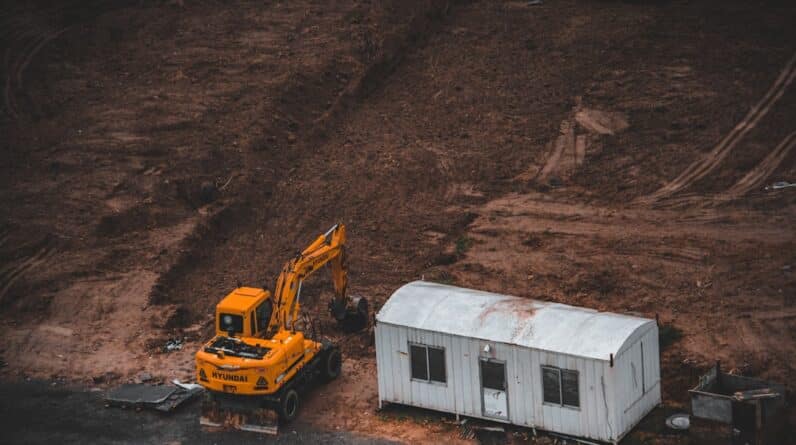
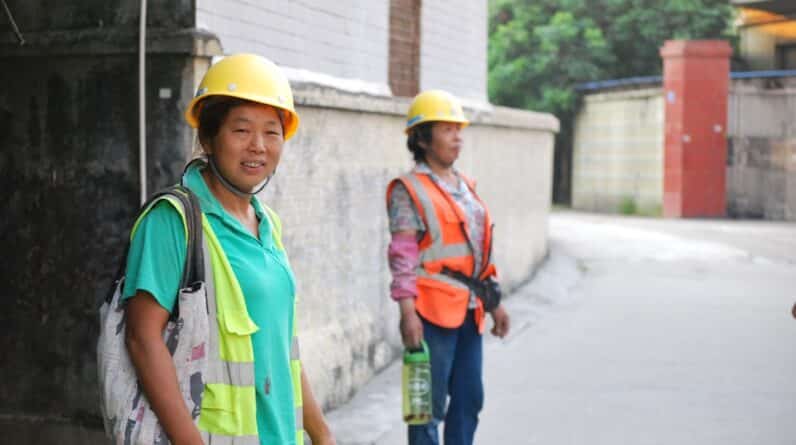
When embarking on a cleaning project, understanding the size and scope is crucial. You need to assess the area that requires attention, whether it’s a small residential space or a large commercial facility. The dimensions of the space will dictate not only the amount of debris you’ll encounter but also the resources you’ll need to allocate.
For instance, a single-room apartment may require minimal effort and a few hours of work, while a sprawling warehouse could take days or even weeks to clean thoroughly. By evaluating the size of the project upfront, you can create a more effective plan that addresses all necessary tasks without underestimating the time and resources involved. Moreover, the scope of the project encompasses more than just physical dimensions; it also includes the types of cleaning required.
Are you dealing with general clutter, or is there hazardous waste that needs special handling? Understanding the full scope allows you to prepare adequately, ensuring that you have the right tools and personnel in place. This comprehensive approach not only streamlines the cleaning process but also minimizes the risk of overlooking critical areas that could lead to future complications.
Key Takeaways
- The size and scope of the project will determine the resources and time needed for the cleanup.
- Different types of debris and waste require specific handling and disposal methods.
- Equipment such as gloves, masks, and heavy-duty trash bags are essential for safety and efficiency.
- Safety and health considerations include proper training for handling hazardous materials and avoiding injury.
- The time and labor requirements will vary based on the extent of the cleanup and the size of the team.
Types of Debris and Waste
As you delve into your cleaning project, identifying the types of debris and waste present is essential. You may encounter a variety of materials, ranging from organic waste like food scraps and yard debris to inorganic items such as plastics, metals, and construction materials. Each type of waste requires a different approach for effective removal and disposal.
For example, organic waste can often be composted or disposed of in a manner that enriches the soil, while plastics and metals may need to be recycled or taken to a landfill. Additionally, you might come across hazardous materials that pose health risks if not handled properly. Items such as batteries, chemicals, or asbestos require specialized knowledge and equipment for safe removal.
Understanding the types of debris you’re dealing with not only helps in planning your cleaning strategy but also ensures compliance with local regulations regarding waste disposal. By categorizing the waste effectively, you can streamline your efforts and contribute to a safer and cleaner environment.
Equipment and Tools Needed

Equipping yourself with the right tools is vital for the success of your cleaning project. Depending on the size and type of debris, you may need a range of equipment from basic cleaning supplies to heavy machinery. For smaller projects, standard items like brooms, mops, trash bags, and gloves may suffice.
However, for larger undertakings, you might require industrial vacuums, pressure washers, or even excavators to handle significant amounts of waste efficiently. In addition to physical tools, consider investing in protective gear to ensure your safety throughout the process. Items such as masks, goggles, and sturdy footwear can protect you from dust, chemicals, and sharp objects that may be present in the debris.
By preparing adequately with the right equipment and safety gear, you can enhance your efficiency while minimizing risks associated with cleaning hazardous or large-scale waste.
Safety and Health Considerations
Safety should always be at the forefront of any cleaning project. As you prepare to tackle debris and waste, it’s essential to assess potential hazards that could impact your health or that of others involved in the project. For instance, if you’re working in an area with mold or toxic substances, proper ventilation and protective equipment become paramount.
You should familiarize yourself with safety protocols related to hazardous materials and ensure that everyone involved is trained on these procedures. Moreover, consider the physical demands of the project. Lifting heavy items or working in awkward positions can lead to injuries if not approached carefully.
Implementing ergonomic practices—such as using proper lifting techniques and taking regular breaks—can help prevent strain and fatigue. By prioritizing safety and health considerations from the outset, you create a more secure working environment that allows for efficient progress without compromising well-being.
Time and Labor Requirements
Estimating time and labor requirements is another critical aspect of planning your cleaning project. You need to evaluate how many people will be involved and how long each task is likely to take. For smaller projects, a few hours may suffice with just one or two individuals; however, larger projects could necessitate a team of workers over several days or weeks.
Creating a detailed timeline helps keep everyone on track and ensures that no aspect of the project is overlooked. Additionally, consider factors that could affect your timeline, such as weather conditions or unexpected complications like discovering hazardous materials during cleanup. Building some flexibility into your schedule allows you to adapt as needed without derailing your overall progress.
By carefully assessing time and labor requirements upfront, you can allocate resources effectively and maintain momentum throughout the project.
Specialized Cleaning Techniques

In some cases, standard cleaning methods may not suffice for specific types of debris or waste. This is where specialized cleaning techniques come into play. For example, if you’re dealing with biohazardous materials or mold infestations, employing techniques such as containment and decontamination becomes essential.
These methods often require specialized training and equipment to ensure safety and effectiveness. Furthermore, consider utilizing advanced cleaning technologies like steam cleaning or chemical treatments for stubborn stains or contaminants. These techniques can significantly enhance your cleaning efforts by breaking down tough materials that traditional methods might miss.
By incorporating specialized cleaning techniques into your strategy, you can achieve a higher level of cleanliness while addressing unique challenges presented by different types of debris.
Environmental Impact
As you engage in your cleaning project, it’s important to consider its environmental impact. The way you handle waste can have lasting effects on local ecosystems and communities. For instance, improper disposal of hazardous materials can lead to soil contamination or water pollution, posing risks to wildlife and human health alike.
Therefore, adopting environmentally friendly practices is not just beneficial but necessary for responsible cleanup efforts. You might explore options such as recycling materials whenever possible or utilizing biodegradable cleaning products that minimize chemical runoff into the environment. Additionally, consider donating usable items instead of discarding them; this not only reduces waste but also supports local charities or community organizations.
By being mindful of your environmental impact throughout the cleaning process, you contribute positively to sustainability efforts while fulfilling your project goals.
Cost and Budgeting
Finally, budgeting for your cleaning project is essential for ensuring its success without financial strain. Begin by estimating costs associated with equipment rental or purchase, labor wages (if applicable), disposal fees for waste materials, and any specialized services you may need to hire. Creating a detailed budget allows you to identify potential expenses upfront and allocate funds accordingly.
Moreover, it’s wise to set aside a contingency fund for unexpected costs that may arise during the project. Whether it’s additional labor needed due to unforeseen complications or extra disposal fees for hazardous materials, having a financial buffer can help you navigate these challenges without derailing your overall budget. By carefully planning your costs and budgeting effectively, you can execute your cleaning project efficiently while maintaining financial stability throughout the process.
If you are interested in learning more about post-construction cleanup and home improvement services, you may want to check out the article “Better Home Contractor Chicago, Illinois”. This article discusses the various services offered by a reputable home contractor in Chicago, including post-construction cleanup for both residential and commercial spaces. It provides valuable insights into the importance of hiring professionals to ensure a clean and safe environment after construction projects.
FAQs
What is post-construction cleanup?
Post-construction cleanup is the process of removing debris, dust, and other construction-related waste from a site after the completion of a construction project.
What are the differences between post-construction cleanup for residential and commercial spaces?
The main differences between post-construction cleanup for residential and commercial spaces include the scale of the project, the types of materials involved, and the level of detail required. Residential spaces typically involve smaller-scale projects with a focus on interior cleaning, while commercial spaces may involve larger-scale projects with a focus on both interior and exterior cleaning.
What are the specific challenges of post-construction cleanup for residential spaces?
Challenges of post-construction cleanup for residential spaces may include navigating tight spaces, working around delicate finishes and fixtures, and addressing specific homeowner preferences and concerns.
What are the specific challenges of post-construction cleanup for commercial spaces?
Challenges of post-construction cleanup for commercial spaces may include handling larger volumes of debris and waste, coordinating with multiple contractors and stakeholders, and addressing safety and regulatory requirements for commercial properties.
What are the common tasks involved in post-construction cleanup for both residential and commercial spaces?
Common tasks involved in post-construction cleanup for both residential and commercial spaces may include removing debris, dusting and wiping surfaces, cleaning floors, and addressing any specific cleaning needs based on the type of construction materials used.