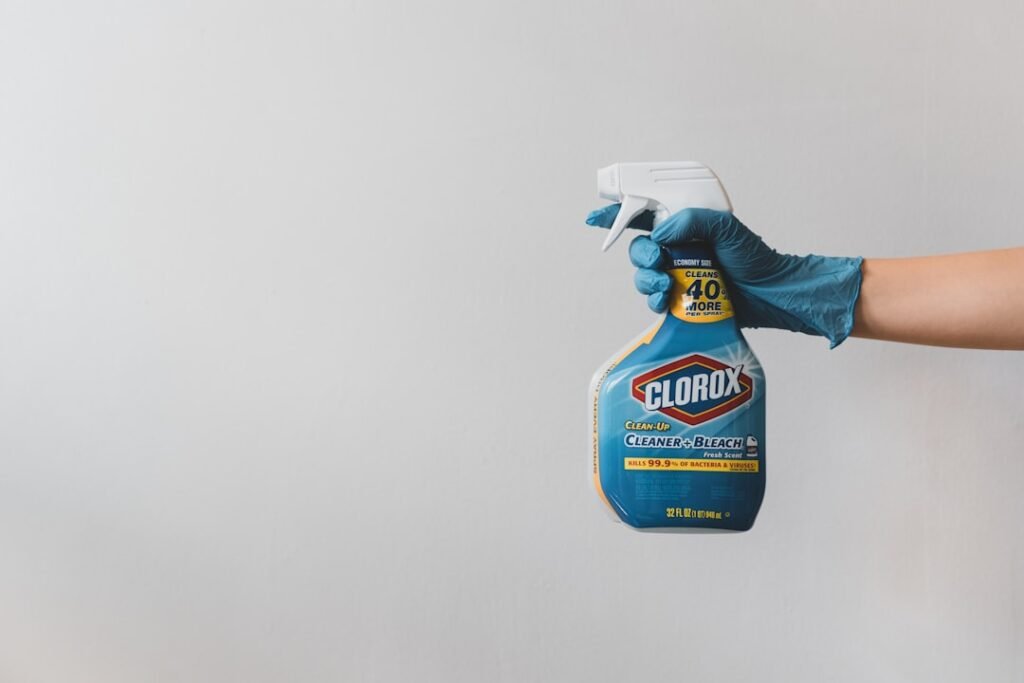
Cleaning is an essential part of maintaining a healthy and organized environment, whether at home, in the workplace, or in public spaces. Understanding the various phases of cleaning can significantly enhance your efficiency and effectiveness in achieving a spotless area. Each phase serves a distinct purpose, ensuring that every nook and cranny is addressed, and that the cleaning process is systematic rather than haphazard.
By familiarizing yourself with these phases, you can develop a comprehensive cleaning strategy that not only meets your immediate needs but also promotes long-term cleanliness. As you embark on your cleaning journey, it’s crucial to recognize that each phase builds upon the last. From the initial preparations to the final touches, every step plays a vital role in achieving a pristine environment.
This article will guide you through the different phases of cleaning, providing insights and tips to help you master each stage. By the end, you will have a clearer understanding of how to approach cleaning tasks with confidence and purpose.
Key Takeaways
- Proper cleaning involves several phases to ensure thorough and effective results.
- The pre-cleaning phase involves preparing the area and gathering necessary supplies.
- The main cleaning phase focuses on the actual cleaning process using appropriate techniques and products.
- The post-cleaning phase involves inspecting the area and making any necessary touch-ups.
- Deep cleaning phase is a more intensive and thorough cleaning process, often done periodically.
- Maintenance cleaning phase involves regular upkeep to prevent the buildup of dirt and grime.
- Specialized cleaning phase may be required for specific areas or surfaces that need special attention.
- Each cleaning phase is important and contributes to maintaining a clean and healthy environment.
Pre-Cleaning Phase
Before diving into the actual cleaning process, the pre-cleaning phase is where you lay the groundwork for success. This phase involves gathering your supplies, assessing the area that needs attention, and creating a plan of action. You should take a moment to evaluate the space, identifying specific areas that require more focus or special attention.
This assessment will help you prioritize your tasks and allocate your time effectively. In this phase, it’s also essential to declutter the area. Removing unnecessary items not only makes the cleaning process easier but also allows you to see what needs to be cleaned more clearly.
You might find it helpful to categorize items into keep, donate, or discard piles. By doing so, you create a more manageable space that is conducive to thorough cleaning. Additionally, having all your cleaning supplies organized and within reach will streamline your efforts and minimize interruptions during the main cleaning phase.
Main Cleaning Phase
Once you have prepared adequately in the pre-cleaning phase, it’s time to move on to the main cleaning phase. This is where the bulk of your efforts will take place, and it’s crucial to approach this stage with a systematic mindset. Start from one corner of the room and work your way around, ensuring that you cover every surface and area.
This methodical approach prevents you from missing spots and helps maintain a sense of order throughout the process. During this phase, focus on different surfaces and materials. For instance, dusting should come first, as it allows particles to fall onto surfaces that will be cleaned later.
Use microfiber cloths or dusters to capture dust effectively without spreading it around. After dusting, move on to vacuuming or sweeping the floors, followed by mopping or scrubbing as needed. Remember to pay attention to high-touch areas such as doorknobs, light switches, and countertops, as these often harbor germs and bacteria.
Post-Cleaning Phase
After completing the main cleaning tasks, you enter the post-cleaning phase, which is just as important as the previous stages. This phase involves inspecting your work to ensure that everything has been cleaned to your satisfaction. Take a moment to walk through the area and check for any missed spots or areas that may need additional attention.
This final inspection can save you from overlooking critical details that could detract from your overall efforts. In addition to inspection, this phase also includes putting away your cleaning supplies and tools. Organizing your materials not only keeps your space tidy but also prepares you for future cleaning sessions.
Consider creating a designated storage area for your supplies so that they are easily accessible when needed. Finally, take a moment to reflect on your cleaning process—what worked well, what could be improved, and how you can make future cleaning sessions even more efficient.
Deep Cleaning Phase
While regular cleaning is essential for maintaining cleanliness, deep cleaning takes things a step further by addressing areas that often go overlooked during routine cleanings. The deep cleaning phase is an opportunity for you to tackle those hard-to-reach spots and give your space a thorough refresh. This might include scrubbing grout lines in bathrooms, washing windows inside and out, or cleaning behind large furniture pieces.
During this phase, it’s beneficial to create a checklist of deep-cleaning tasks tailored to your specific environment. For example, if you’re deep cleaning a kitchen, consider including tasks like degreasing the oven or sanitizing the refrigerator shelves. By having a clear list in front of you, you can ensure that no detail is missed and that every aspect of your space receives the attention it deserves.
Deep cleaning not only enhances the appearance of your environment but also contributes to better air quality and overall hygiene.
Maintenance Cleaning Phase
Once you have completed deep cleaning, it’s essential to establish a maintenance cleaning phase to keep your space looking its best over time. Maintenance cleaning involves regular upkeep tasks that prevent dirt and grime from accumulating again. This phase can be tailored to fit your lifestyle and schedule—whether that means daily tidying up or weekly surface cleanings.
Incorporating maintenance tasks into your routine can make a significant difference in how manageable your cleaning efforts are in the long run. For instance, setting aside just 15 minutes each day for quick tidying can help maintain order and cleanliness without overwhelming you with larger tasks later on. Additionally, consider creating a rotating schedule for deeper maintenance tasks—such as vacuuming carpets or dusting shelves—so that they don’t fall by the wayside.
Specialized Cleaning Phase
In some cases, certain environments or situations may require specialized cleaning techniques or products. The specialized cleaning phase addresses these unique needs by focusing on specific materials or areas that demand extra care. For example, if you have pets, you may need to invest in specialized pet stain removers or tools designed for removing pet hair from upholstery.
This phase can also include eco-friendly cleaning practices or methods tailored for individuals with allergies or sensitivities. Researching and selecting appropriate products can make a significant difference in achieving effective results while ensuring safety for both yourself and the environment. Whether it’s using green cleaners or employing steam cleaning methods for carpets and upholstery, specialized cleaning can elevate your overall approach and cater to specific challenges.
Conclusion and Final Thoughts
Cleaning is not merely a chore; it’s an essential practice that contributes to our well-being and quality of life. By understanding the various phases of cleaning—from pre-cleaning preparations to specialized techniques—you can approach each task with confidence and clarity. Each phase serves its purpose in creating an organized and hygienic environment that enhances both comfort and productivity.
As you implement these phases into your routine, remember that consistency is key. Regular maintenance combined with periodic deep cleans will ensure that your space remains inviting and healthy over time. Embrace the process of cleaning as an opportunity for mindfulness and self-care; after all, a clean environment fosters a clear mind.
With these insights in hand, you are now equipped to tackle any cleaning challenge that comes your way!
If you are looking for professional cleaning services in Miramar, Florida, Hemet, California, or Evanston, Illinois, you may want to check out this article on Better Home Contractor. This article provides insights into the different phases of cleaning and how a professional contractor can help you achieve a spotless and organized home. Whether you need regular maintenance cleaning or a deep clean, a reliable contractor can tailor their services to meet your specific needs.
FAQs
What are the different phases of cleaning?
The different phases of cleaning typically include pre-cleaning, main cleaning, and post-cleaning.
What is pre-cleaning?
Pre-cleaning involves preparing the area to be cleaned by removing clutter, dusting, and sweeping or vacuuming.
What is main cleaning?
Main cleaning involves the actual cleaning process, which may include scrubbing, mopping, wiping surfaces, and using cleaning agents to remove dirt and grime.
What is post-cleaning?
Post-cleaning involves inspecting the area to ensure that it has been thoroughly cleaned, putting back any items that were removed during pre-cleaning, and disposing of any waste generated during the cleaning process.