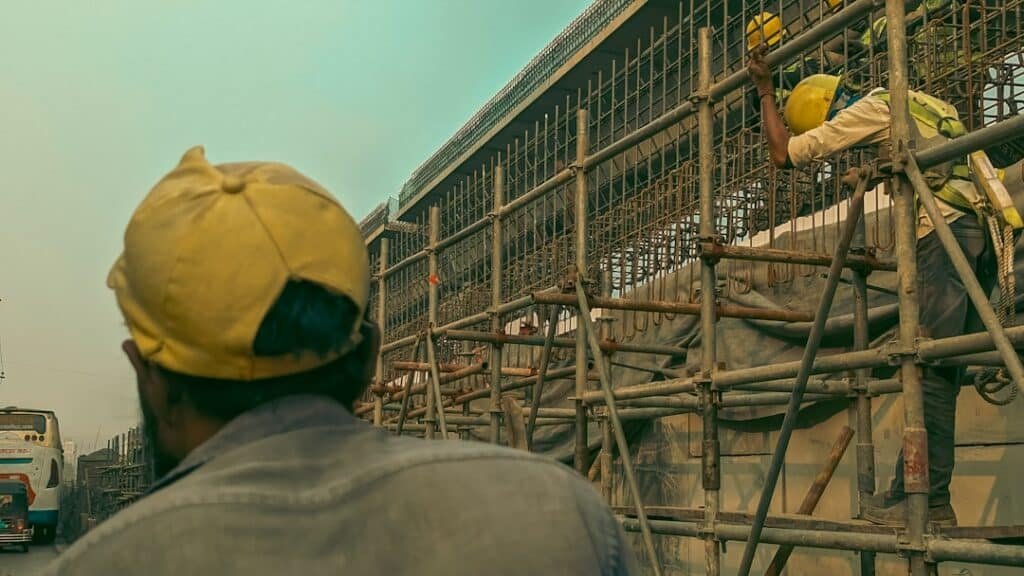
In New Jersey, the construction industry is a vital part of the economy, contributing to job creation and infrastructure development. However, the presence of unlicensed contractors poses significant risks to homeowners and the industry as a whole. When you hire an unlicensed contractor, you may unknowingly expose yourself to a range of issues, from subpar workmanship to legal complications.
Understanding the implications of hiring unlicensed contractors is crucial for any homeowner looking to undertake renovations or repairs. Unlicensed contractors often operate outside the bounds of state regulations, which are designed to protect consumers and ensure quality work. This lack of oversight can lead to a myriad of problems, including safety hazards and financial losses.
As a homeowner, it is essential to be aware of the licensing requirements in New Jersey and the potential consequences of engaging with unlicensed individuals. By educating yourself on this topic, you can make informed decisions that safeguard your investment and ensure that your home improvement projects are completed to a high standard.
Key Takeaways
- Unlicensed contractors in NJ can face serious consequences, including fines and legal action.
- Contractors in NJ must meet specific licensing requirements to operate legally.
- Operating as an unlicensed contractor in NJ can result in fines, legal action, and damage to reputation.
- Fines for unlicensed contractors in NJ can range from hundreds to thousands of dollars.
- Factors such as the severity of the violation and the contractor’s history can influence the amount of the fine.
Overview of the Licensing Requirements for Contractors in NJ
In New Jersey, contractors are required to obtain specific licenses depending on the type of work they perform. The state mandates that general contractors, electricians, plumbers, and other specialized trades must hold valid licenses issued by the New Jersey Division of Consumer Affairs. These licenses are not merely formalities; they signify that the contractor has met certain educational and professional standards, ensuring that they possess the necessary skills and knowledge to perform their work safely and effectively.
To obtain a license, contractors must typically pass examinations that test their understanding of building codes, safety regulations, and industry best practices. Additionally, they may need to provide proof of insurance and bonding, which protects homeowners in case of accidents or damages during a project. By requiring these licenses, New Jersey aims to maintain high standards within the construction industry and protect consumers from unscrupulous operators who may lack the necessary qualifications.
Consequences of Operating as an Unlicensed Contractor in NJ
Operating as an unlicensed contractor in New Jersey can lead to severe consequences for both the contractor and the homeowner. For contractors, the risks include hefty fines, legal action, and potential criminal charges. The state takes violations seriously, and those caught working without a license may face penalties that can significantly impact their business operations.
This not only affects their reputation but can also hinder their ability to secure future contracts. For homeowners, hiring an unlicensed contractor can result in a host of problems. If the work performed is substandard or if there are disputes regarding the project, you may find it challenging to seek recourse.
Without a licensed contractor, you may have limited options for legal action if something goes wrong. Additionally, any work done by an unlicensed contractor may not meet local building codes, potentially leading to safety hazards or costly repairs down the line.
Understanding the Fines for Unlicensed Contractors in NJ
The fines imposed on unlicensed contractors in New Jersey can be substantial. Depending on the severity of the violation and whether it is a repeat offense, fines can range from hundreds to thousands of dollars. The New Jersey Division of Consumer Affairs has the authority to enforce these penalties, which serve as a deterrent against operating without proper licensure.
For many contractors, these fines can be crippling, especially for small businesses trying to establish themselves in a competitive market. Moreover, fines are not the only financial repercussions that unlicensed contractors face. They may also be liable for any damages caused by their work, which can lead to additional costs that far exceed initial penalties.
This financial burden can create a cycle of debt that is difficult to escape, ultimately jeopardizing their business’s viability. As such, it is crucial for contractors to understand the importance of obtaining proper licensing before engaging in any construction work.
Factors That Can Influence the Amount of the Fine
Several factors can influence the amount of the fine imposed on unlicensed contractors in New Jersey. One significant factor is whether the contractor has previous violations on their record. Repeat offenders often face steeper penalties as the state aims to discourage continued non-compliance with licensing laws.
Additionally, the nature of the work performed plays a role; for instance, violations involving high-risk activities such as electrical or plumbing work may incur higher fines due to the potential dangers involved. Another factor is the extent of harm caused by the unlicensed work. If a contractor’s actions result in significant property damage or pose safety risks to occupants, fines may be increased accordingly.
The state also considers whether the contractor cooperated with authorities during investigations or if they attempted to rectify their violations. These factors collectively contribute to determining the final penalty imposed on unlicensed contractors.
Additional Penalties for Unlicensed Contractors in NJ
In addition to monetary fines, unlicensed contractors in New Jersey may face other penalties that can severely impact their ability to operate. One such penalty is the potential for criminal charges, particularly if their actions are deemed willful or fraudulent. Criminal charges can lead to jail time or probation, further complicating their professional lives and tarnishing their reputations.
Furthermore, unlicensed contractors may find it challenging to secure future work opportunities due to their legal status. Many homeowners and businesses prefer hiring licensed professionals for peace of mind and assurance of quality workmanship. As a result, unlicensed contractors may struggle to attract clients or may be forced to accept lower-paying jobs that do not require licensure.
This creates a vicious cycle where they are unable to grow their business due to their unlicensed status.
Legal Recourse for Homeowners Dealing with Unlicensed Contractors
If you find yourself in a situation where you have hired an unlicensed contractor in New Jersey, it is essential to understand your legal options. While it may be challenging to seek recourse against an unlicensed contractor, there are steps you can take to protect your interests. First and foremost, document all communications and agreements made with the contractor.
This documentation will be crucial if you need to pursue legal action later. You may also consider filing a complaint with the New Jersey Division of Consumer Affairs or your local consumer protection agency. These organizations can investigate your claims and take appropriate action against unlicensed contractors.
Additionally, if you have suffered financial losses due to substandard work or breaches of contract, you may have grounds for a civil lawsuit against the contractor. Consulting with an attorney who specializes in construction law can provide you with valuable guidance on how best to proceed.
Steps Contractors Can Take to Become Licensed in NJ
For contractors looking to operate legally in New Jersey, obtaining a license is a critical step toward building a successful business. The first step is researching the specific licensing requirements for your trade or specialty area. Each type of contractor may have different criteria and examinations that must be met before licensure is granted.
Once you understand what is required, you should prepare for any necessary examinations by studying relevant materials and possibly enrolling in preparatory courses. Additionally, gathering documentation such as proof of experience and insurance coverage will be essential when submitting your application for licensure. By taking these proactive steps, you can position yourself as a qualified professional ready to serve clients legally and ethically.
Resources Available to Help Contractors Obtain Licensure in NJ
New Jersey offers various resources designed to assist contractors in navigating the licensing process. The New Jersey Division of Consumer Affairs provides comprehensive information on licensing requirements for different trades on its website. This resource includes details about necessary examinations, application procedures, and frequently asked questions that can help clarify any uncertainties you may have.
Additionally, local trade associations often offer support and training programs for aspiring contractors seeking licensure. These organizations can provide valuable networking opportunities and access to mentorship from experienced professionals in your field. Utilizing these resources can significantly streamline your path toward becoming a licensed contractor in New Jersey.
Importance of Hiring a Licensed Contractor in NJ
Hiring a licensed contractor in New Jersey is crucial for several reasons that extend beyond mere compliance with state laws. A licensed contractor has demonstrated their knowledge and expertise through rigorous testing and adherence to industry standards. This means you can expect higher quality workmanship and greater attention to safety protocols when working with licensed professionals.
Moreover, hiring a licensed contractor provides you with legal protections that are not available when working with unlicensed individuals. Should any issues arise during your project—such as delays or substandard work—you have recourse through state agencies or legal channels that can help resolve disputes effectively. Ultimately, investing in a licensed contractor not only safeguards your home but also ensures peace of mind throughout your renovation or construction project.
Conclusion and Final Thoughts on Fines for Unlicensed Contractors in NJ
In conclusion, operating as an unlicensed contractor in New Jersey carries significant risks and consequences that can affect both contractors and homeowners alike. The fines imposed on unlicensed individuals serve as a deterrent against non-compliance with state regulations designed to protect consumers and maintain industry standards. As a homeowner, understanding these implications is vital when selecting professionals for your construction projects.
By prioritizing licensed contractors and being aware of your rights as a consumer, you can navigate the complexities of home improvement with confidence. For contractors seeking licensure, taking proactive steps toward compliance not only enhances your credibility but also opens doors to new opportunities within the industry. Ultimately, fostering a culture of professionalism through proper licensing benefits everyone involved in New Jersey’s construction landscape.
If you are interested in learning more about reputable home contractors in different locations, you may want to check out Better Home Contractor in Seattle, Washington, Better Home Contractor in Mount Vernon, New York, or Better Home Contractor in Lakewood, Colorado. These articles provide valuable information on finding licensed and reliable contractors for your home improvement projects.
FAQs
What are the fines for unlicensed contractors in NJ?
In New Jersey, unlicensed contractors can face fines of up to $10,000 for the first offense and up to $20,000 for subsequent offenses.
What are the consequences of hiring an unlicensed contractor in NJ?
Hiring an unlicensed contractor in NJ can result in fines for the homeowner, as well as potential legal and financial liabilities if the contractor does not meet the required standards or causes damage to the property.
How can I verify if a contractor is licensed in NJ?
You can verify if a contractor is licensed in NJ by checking the New Jersey Division of Consumer Affairs website or by contacting the New Jersey Department of Banking and Insurance.
What should I do if I suspect a contractor is unlicensed in NJ?
If you suspect a contractor is unlicensed in NJ, you should report them to the New Jersey Division of Consumer Affairs or the New Jersey Department of Banking and Insurance. It is important to protect yourself and others from potential harm or financial loss.