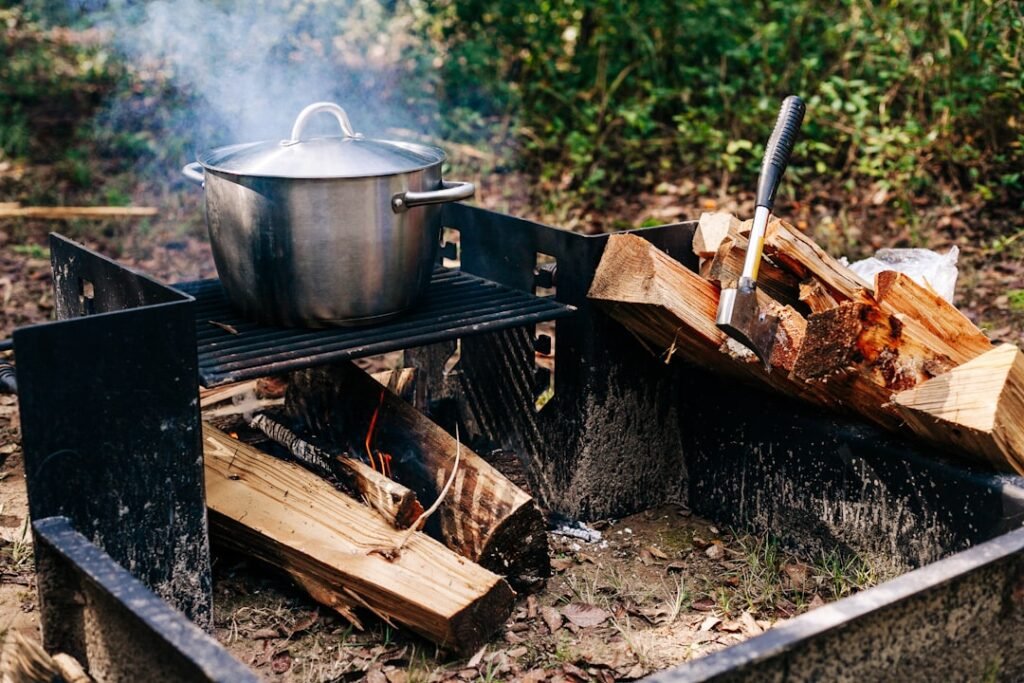
When you decide to create an outdoor kitchen, the excitement of cooking and entertaining in the fresh air can be overwhelming. However, amidst the thrill of designing your culinary oasis, it’s crucial to prioritize safety. Outdoor kitchens can present unique hazards that differ from traditional indoor setups.
From the use of sharp tools to the presence of hot surfaces and open flames, ensuring a safe environment for you and your guests is paramount. By taking the necessary precautions, you can enjoy your outdoor kitchen without compromising on safety. Understanding the potential risks associated with outdoor cooking is the first step in creating a secure space.
Whether you have children running around or are hosting a gathering with friends, being aware of these dangers allows you to implement effective safety measures. This article will guide you through various aspects of outdoor kitchen safety, from choosing the right flooring to selecting child-proof appliances, ensuring that your outdoor cooking experience is both enjoyable and secure.
Key Takeaways
- Outdoor kitchen safety is essential for preventing accidents and injuries.
- Durable and non-slip flooring is crucial for maintaining a safe outdoor kitchen environment.
- Incorporating child-friendly features such as rounded edges and soft-close mechanisms can help prevent accidents involving children.
- Safety barriers and gates can help keep children and pets away from potential hazards in the outdoor kitchen area.
- Selecting child-proof appliances and equipment can further minimize the risk of accidents and injuries.
Choosing Durable and Non-Slip Flooring
One of the most critical elements of outdoor kitchen safety is the flooring. The right choice can significantly reduce the risk of slips and falls, which are common hazards in any kitchen environment. When selecting flooring materials, consider options that are not only durable but also designed to provide traction.
Materials such as textured tiles, rubber pavers, or treated wood can offer a non-slip surface that helps prevent accidents, especially when wet. In addition to being slip-resistant, your flooring should withstand the elements. Outdoor kitchens are exposed to rain, sun, and varying temperatures, so choosing materials that are weather-resistant is essential.
For instance, porcelain tiles are not only stylish but also resistant to moisture and fading. By investing in high-quality flooring, you ensure that your outdoor kitchen remains safe and functional for years to come.
Incorporating Child-Friendly Features
If you have children or frequently host families with kids, incorporating child-friendly features into your outdoor kitchen design is vital. Start by considering the layout; ensure that cooking areas are separated from play zones to minimize the risk of accidents. You might also want to include a designated space for children to engage in activities while you cook, such as a small table with art supplies or a safe play area nearby.
Another important aspect is to keep hazardous items out of reach. Store sharp utensils and tools in cabinets or drawers that are not easily accessible to little hands. Additionally, consider using rounded edges on countertops and tables to prevent injuries from accidental bumps.
By thoughtfully designing your outdoor kitchen with children in mind, you create a safe environment where everyone can enjoy their time together.
Utilizing Safety Barriers and Gates
Safety barriers and gates are essential components of an outdoor kitchen, especially if you have young children or pets. These features help create a defined cooking area that keeps little ones at a safe distance from hot surfaces and sharp tools. Installing a gate at the entrance of your outdoor kitchen can provide an extra layer of security, allowing you to control access while you’re busy preparing meals.
In addition to gates, consider using barriers such as decorative fencing or low walls to delineate spaces within your outdoor kitchen. These structures not only enhance the aesthetic appeal but also serve as physical reminders for children to stay away from potentially dangerous areas. By implementing these safety measures, you can enjoy peace of mind while cooking outdoors, knowing that your loved ones are protected.
Selecting Child-Proof Appliances and Equipment
When it comes to outdoor cooking, choosing child-proof appliances and equipment is crucial for maintaining safety. Look for grills and ovens that come with safety features such as automatic shut-off systems or locking mechanisms. These features can prevent accidental burns or fires, especially if children are nearby.
Additionally, consider investing in appliances with cool-touch exteriors to minimize the risk of burns. It’s also wise to select equipment that is easy to use and understand. Complicated gadgets can lead to confusion and potential accidents.
Opt for simple controls and clear instructions to ensure that anyone using the appliances can do so safely. By prioritizing child-proof options in your outdoor kitchen, you create a safer environment for everyone involved in the cooking process.
Designing a Functional Layout to Minimize Risks
The layout of your outdoor kitchen plays a significant role in safety. A well-thought-out design can help minimize risks associated with cooking outdoors. Start by placing the grill or cooking area away from high-traffic zones where people may walk by frequently.
This separation reduces the likelihood of accidental bumps or spills while cooking. Additionally, consider creating distinct zones for different activities within your outdoor kitchen. For example, designate areas for food preparation, cooking, and serving.
This organization not only enhances efficiency but also helps keep children away from hot surfaces and sharp tools. By designing a functional layout that prioritizes safety, you can enjoy a seamless cooking experience while minimizing potential hazards.
Creating a Shaded and Comfortable Space
Comfort is an essential aspect of any outdoor kitchen, but it should not come at the expense of safety. Creating a shaded area can protect you and your guests from harmful UV rays while cooking or dining outdoors. Consider installing a pergola or awning over your kitchen space to provide relief from direct sunlight.
This not only enhances comfort but also reduces the risk of heat-related illnesses during hot summer days. In addition to shade, ensure that your outdoor kitchen is equipped with comfortable seating options and adequate ventilation. Proper airflow can help dissipate smoke and heat generated during cooking, making the space more enjoyable for everyone.
By focusing on comfort while maintaining safety standards, you create an inviting atmosphere where friends and family can gather without worry.
Implementing Proper Lighting for Safety
Proper lighting is often overlooked in outdoor kitchen design but is crucial for ensuring safety during evening gatherings or late-night cooking sessions. Adequate illumination helps prevent accidents by allowing you to see clearly while preparing food or navigating around the space. Consider installing task lighting above cooking areas and ambient lighting throughout the kitchen to create a well-lit environment.
In addition to functional lighting, think about incorporating motion-sensor lights around pathways and entrances to enhance visibility when entering or exiting the area. This added layer of security can help prevent trips and falls in low-light conditions. By implementing proper lighting solutions in your outdoor kitchen, you ensure that safety remains a priority even after the sun goes down.
In conclusion, creating a safe outdoor kitchen requires careful planning and consideration of various factors. From choosing durable flooring to incorporating child-friendly features and proper lighting, each element plays a vital role in ensuring a secure environment for cooking and entertaining. By prioritizing safety in your design choices, you can enjoy all the benefits of an outdoor kitchen while minimizing risks for yourself and your loved ones.
Embrace the joy of outdoor cooking with confidence, knowing that you’ve taken the necessary steps to create a safe haven for culinary adventures.
When designing an outdoor kitchen with children or pets in mind, it is important to consider inclusivity and accessibility for all. This article on Inclusivity in Historical Spaces: Ensuring Accessibility for All provides valuable insights on how to create spaces that are safe and functional for everyone. By incorporating design elements that prioritize accessibility, such as wide pathways and easy-to-reach countertops, you can ensure that your outdoor kitchen is a welcoming and inclusive environment for all members of your family.
FAQs
What are some design elements that can enhance the safety of an outdoor kitchen when children or pets are present?
Some design elements that can enhance the safety of an outdoor kitchen when children or pets are present include rounded or curved countertops and edges to prevent injuries from sharp corners, childproof latches on cabinets and drawers to keep dangerous items out of reach, and non-slip flooring to prevent slips and falls.
How can the functionality of an outdoor kitchen be improved to accommodate children and pets?
To improve the functionality of an outdoor kitchen for children and pets, consider incorporating a designated play area away from cooking and grilling areas, installing a pet feeding station with easy access to food and water, and creating storage solutions for toys, pet supplies, and outdoor dining essentials.
What are some safety considerations for outdoor kitchen appliances and equipment when children or pets are present?
When children or pets are present, it’s important to ensure that outdoor kitchen appliances and equipment are installed at a safe distance from play areas and are secured to prevent tipping or accidental contact. Additionally, using appliance locks and covers can help prevent unauthorized use or access.
Are there specific materials that are recommended for outdoor kitchen surfaces to enhance safety?
Materials such as stainless steel, granite, and quartz are recommended for outdoor kitchen surfaces as they are durable, easy to clean, and resistant to stains and scratches. These materials can enhance safety by minimizing the risk of accidents and providing a hygienic food preparation area.