
After a renovation project, the excitement of a fresh space can quickly be overshadowed by the mess left behind. You may find yourself staring at dust-covered surfaces, scattered debris, and a general sense of chaos. Post renovations cleaning is an essential step that transforms your newly renovated area into a clean, inviting environment.
This process not only enhances the aesthetic appeal of your space but also ensures that it is safe and healthy for you and your family. Understanding the importance of post-renovation cleaning is crucial. It goes beyond mere tidying up; it involves a thorough and systematic approach to eliminate all traces of construction work.
You might be surprised to learn that construction dust can contain harmful particles, including silica and other irritants. Therefore, a comprehensive cleaning regimen is necessary to create a safe living or working environment. By investing time and effort into this cleaning phase, you can fully enjoy the benefits of your renovation without the lingering effects of construction.
Key Takeaways
- Post renovations cleaning is essential to remove dust, debris, and other residues left behind after construction or remodeling.
- Cleaning surfaces and fixtures involves thorough wiping, scrubbing, and sanitizing to ensure a clean and polished look.
- Removing construction debris requires careful disposal of materials such as wood, drywall, and other construction waste.
- Dusting and vacuuming are crucial steps to eliminate fine particles and dirt from all surfaces and corners of the space.
- Cleaning windows and glass involves using streak-free cleaners and techniques to achieve a crystal-clear finish.
Cleaning Surfaces and Fixtures
Once the major debris has been cleared away, your next focus should be on cleaning surfaces and fixtures. This step is vital because surfaces often accumulate dust, grime, and residues from construction materials. You may want to start with larger surfaces like countertops, cabinets, and shelves.
Using a gentle cleaner and microfiber cloth can help you effectively remove any dust or stains without scratching the surfaces. Don’t forget about fixtures such as light switches, doorknobs, and faucets. These areas can harbor dust and dirt that may have settled during the renovation process.
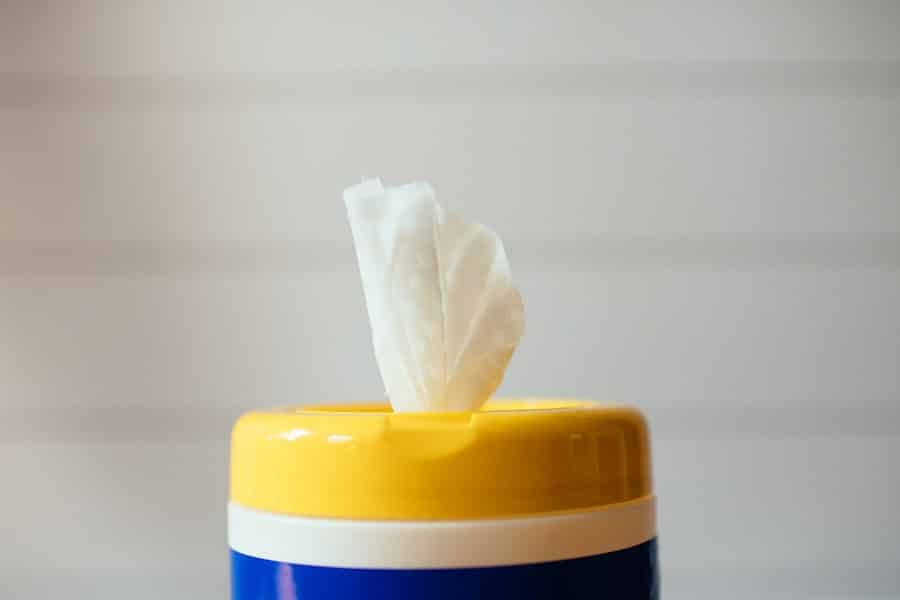
A thorough wipe-down with disinfectant wipes or a suitable cleaning solution will not only make these fixtures shine but also contribute to a healthier environment. As you clean, take the time to inspect each fixture for any damage that may have occurred during the renovation, ensuring everything is in perfect working order.
Removing Construction Debris
The removal of construction debris is one of the most labor-intensive aspects of post-renovation cleaning. You may find yourself faced with leftover materials such as wood scraps, nails, and packaging from new appliances or fixtures. It’s essential to tackle this task methodically to ensure that no debris is overlooked.
Start by gathering all large items and disposing of them properly; many local waste management services offer specific guidelines for construction waste. Once the larger debris is cleared, you can focus on smaller items that may be scattered throughout the space. This includes dust from drywall, paint splatters, and other remnants that can detract from the overall appearance of your newly renovated area.
Using a broom or vacuum cleaner with a strong suction will help you collect these smaller particles effectively. Remember to check corners and hidden spaces where debris often accumulates, ensuring that your cleaning efforts are thorough.
Dusting and Vacuuming
After removing construction debris, dusting and vacuuming become your next priorities. Dust can settle on every surface during renovations, creating an uninviting atmosphere in your newly updated space. Begin by dusting high surfaces first, such as ceiling fans, light fixtures, and shelves.
Using an extendable duster can help you reach those tricky spots without needing a ladder. Once you’ve tackled the dusting, it’s time to vacuum the floors thoroughly. You might want to use a vacuum cleaner equipped with a HEPA filter to capture fine dust particles effectively.
Pay special attention to corners and edges where dust tends to accumulate. If you have carpets or rugs, consider steam cleaning them to remove any embedded dust or allergens that may have settled during the renovation process. This step not only enhances cleanliness but also improves indoor air quality.
Cleaning Windows and Glass
Windows and glass surfaces often bear the brunt of renovation dust and grime. You may notice streaks or smudges that detract from the overall brightness of your newly renovated space. To achieve crystal-clear windows, start by using a glass cleaner or a mixture of vinegar and water for an eco-friendly option.
Apply the solution with a microfiber cloth or a squeegee for optimal results. Don’t forget about window frames and sills; these areas can accumulate dust and dirt as well. Wiping them down with a damp cloth will help remove any residue left behind from construction activities.
If your windows are particularly dirty or have not been cleaned in a while, consider using a more robust cleaning solution or even hiring professionals for a deep clean. Clean windows not only enhance your view but also allow more natural light into your space, making it feel more open and inviting.
Disinfecting and Sanitizing
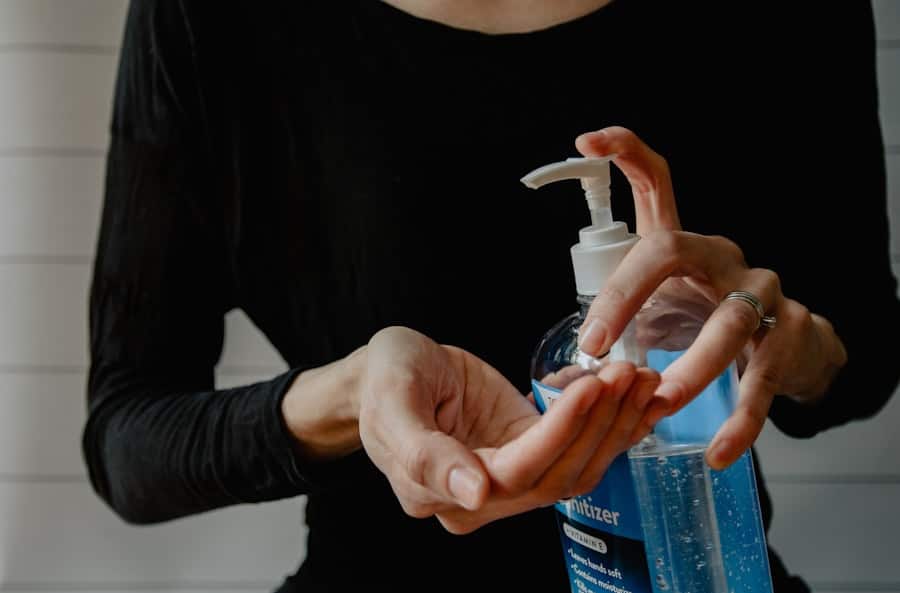
In today’s world, disinfecting and sanitizing have taken on new significance, especially after renovations that may have introduced various contaminants into your home. You should prioritize this step to ensure that your living environment is safe for you and your family. Start by selecting appropriate disinfectants that are effective against bacteria and viruses while being safe for use on various surfaces.
Focus on high-touch areas such as countertops, doorknobs, light switches, and bathroom fixtures. Applying disinfectant wipes or sprays to these surfaces will help eliminate any lingering germs or bacteria that may have settled during the renovation process. Allow the disinfectant to sit for the recommended time before wiping it away to ensure maximum effectiveness.
This step not only promotes cleanliness but also provides peace of mind as you enjoy your newly renovated space.
Polishing and Restoring Surfaces
Once you’ve completed the cleaning and sanitizing process, it’s time to focus on polishing and restoring surfaces to their original luster. This step is particularly important for wooden furniture, cabinetry, and metal fixtures that may have lost their shine during renovations. You might want to use specialized polishes designed for different materials to achieve the best results.
For wooden surfaces, consider using a wood polish that nourishes the wood while providing a protective layer against scratches and stains. For metal fixtures, a gentle metal polish can restore their shine without causing damage. As you polish each surface, take care to follow the manufacturer’s instructions for optimal results.
This final touch will not only enhance the visual appeal of your space but also prolong the life of your furnishings.
Final Inspections and Quality Control
After completing all cleaning tasks, conducting final inspections is crucial to ensure that no detail has been overlooked. Walk through each room systematically, checking for any missed spots or areas that may require additional attention. You might want to enlist a friend or family member to help with this process; a fresh set of eyes can often catch things you might have missed.
During this inspection phase, pay close attention to areas like corners, behind furniture, and under appliances where dust may still linger. If you find any issues, address them promptly to ensure that your newly renovated space meets your standards of cleanliness and comfort. Once you’re satisfied with the results, take a moment to appreciate your hard work; transforming a chaotic post-renovation environment into a clean and inviting space is no small feat!
If you are looking for a reliable home contractor in Austin, Texas, you may want to check out Better Home Contractor. They offer a wide range of services, including post renovations cleaning. Their team of professionals can help ensure your home is sparkling clean after any renovation project.
FAQs
What is a post renovations cleaner?
A post renovations cleaner is a professional who specializes in cleaning and tidying up a property after renovation or construction work has been completed.
What does a post renovations cleaner do?
A post renovations cleaner is responsible for removing dust, debris, and construction materials from the property, as well as cleaning and sanitizing all surfaces, floors, and fixtures.
What are the typical tasks of a post renovations cleaner?
Typical tasks of a post renovations cleaner include dusting and wiping down surfaces, vacuuming and mopping floors, cleaning windows and mirrors, removing stickers and labels, and disposing of any leftover construction materials.
Do post renovations cleaners handle hazardous materials?
Post renovations cleaners may handle hazardous materials such as paint, solvents, and adhesives, so they should be trained in proper handling and disposal of these substances.
What skills are required to be a post renovations cleaner?
Skills required for a post renovations cleaner include attention to detail, physical stamina, knowledge of cleaning products and equipment, and the ability to work efficiently and independently.