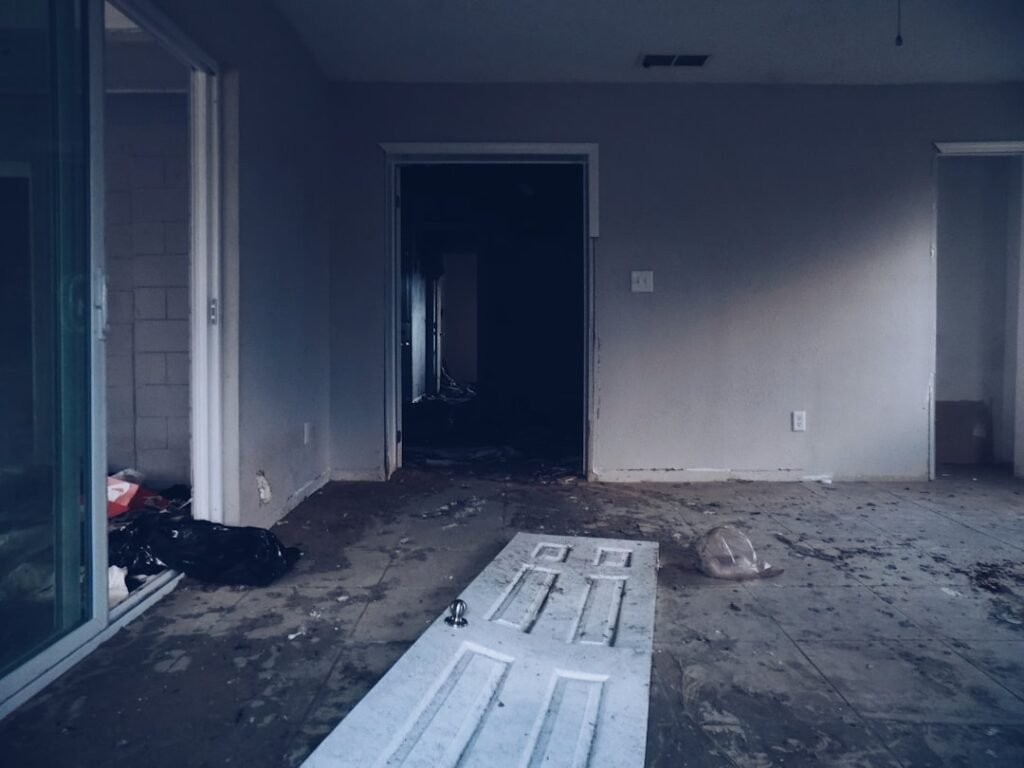
Pre and post occupation cleaning refers to the specialized cleaning services that are conducted before a new tenant moves into a property or after a tenant vacates. This type of cleaning is essential for ensuring that the space is not only visually appealing but also hygienic and ready for immediate use. You may find that this cleaning process involves a thorough deep clean of all areas, including floors, walls, windows, and fixtures.
It is designed to eliminate any dust, debris, or residues left behind from previous occupants or construction work, making the environment safe and welcoming. As you delve deeper into the concept of pre and post occupation cleaning, it becomes clear that this service is not merely about aesthetics. It encompasses a comprehensive approach to sanitation and maintenance.
For instance, if you are moving into a new home, you want to ensure that the space is free from allergens, bacteria, and any remnants of the previous occupants. Similarly, if you are preparing a property for new tenants, you want to leave a lasting impression that reflects well on your management or ownership. Understanding these nuances can help you appreciate the value of investing in professional cleaning services.
Key Takeaways
- Pre post occupation cleaning is the process of thoroughly cleaning a property before or after it has been occupied, to ensure it is in a clean and hygienic condition.
- It is important to prioritize pre post occupation cleaning to maintain the property’s value, ensure a healthy living environment, and comply with rental or sale agreements.
- The main difference between pre and post occupation cleaning is the timing, with pre-occupation cleaning focusing on preparing the property for new occupants, and post-occupation cleaning focusing on restoring the property to its original condition after occupants have left.
- Steps involved in pre post occupation cleaning include decluttering, dusting, vacuuming, mopping, disinfecting, and addressing specific areas such as kitchens, bathrooms, and windows.
- Hiring professional pre post occupation cleaning services can save time and effort, ensure thorough cleaning, and provide a guarantee of satisfaction.
Importance of Pre Post Occupation Cleaning
The importance of pre and post occupation cleaning cannot be overstated. When you move into a new space, the last thing you want is to deal with leftover grime or unpleasant odors from previous tenants. A thorough cleaning ensures that you start your new chapter in a fresh environment.
This is particularly crucial for individuals with allergies or sensitivities, as dust and allergens can linger long after the previous occupants have left. By prioritizing this cleaning process, you create a healthier living space for yourself and your family. Moreover, if you are a landlord or property manager, conducting pre and post occupation cleaning can significantly enhance your reputation.
A clean property is more likely to attract quality tenants and can lead to higher rental rates. When prospective tenants walk into a spotless home, they are more inclined to envision themselves living there. This not only reduces vacancy periods but also fosters positive relationships with your tenants, who will appreciate the effort put into maintaining the property.
Difference Between Pre and Post Occupation Cleaning

While pre and post occupation cleaning may seem similar at first glance, there are distinct differences between the two processes. Pre-occupation cleaning typically occurs before a new tenant moves in. This service focuses on preparing the space for its new occupants by ensuring that it is clean, sanitized, and free from any remnants of previous tenants or construction debris.
You can expect services such as deep cleaning carpets, scrubbing floors, and sanitizing bathrooms to be part of this process. On the other hand, post-occupation cleaning takes place after a tenant has vacated the property. This type of cleaning aims to restore the space to its original condition before new tenants arrive.
It often involves more intensive cleaning tasks, such as removing any stains left behind by previous occupants or addressing wear and tear that may have occurred during their stay. Understanding these differences can help you determine which type of service is most appropriate for your needs at any given time.
Steps Involved in Pre Post Occupation Cleaning
The steps involved in pre and post occupation cleaning are systematic and thorough. When you engage in pre-occupation cleaning, the process typically begins with an assessment of the property. This allows you to identify specific areas that require attention.
Following this assessment, the cleaning team will usually start with dusting surfaces, wiping down cabinets, and cleaning windows to ensure that every corner is addressed. In post-occupation cleaning, the steps may vary slightly due to the condition of the property after a tenant has moved out. The process often begins with removing any leftover items or debris from the previous occupants.
Once the space is cleared, deep cleaning tasks such as scrubbing floors, steam cleaning carpets, and sanitizing bathrooms take precedence. Additionally, this phase may include repairs or touch-ups to walls and fixtures that may have been damaged during the previous tenancy. By following these structured steps, you can ensure that every aspect of the property is thoroughly cleaned and prepared for its next occupants.
Benefits of Hiring Professional Pre Post Occupation Cleaning Services
Hiring professional pre and post occupation cleaning services offers numerous advantages that can save you time and effort while ensuring high-quality results. One of the primary benefits is expertise; professional cleaners are trained to handle various cleaning challenges effectively. They possess specialized equipment and products that can tackle tough stains and sanitize surfaces more efficiently than standard household cleaners.
By entrusting this task to professionals, you can rest assured that your property will be cleaned to a high standard. Another significant benefit is the time saved by hiring professionals. Cleaning an entire property can be a daunting task that requires considerable time and effort.
By outsourcing this responsibility, you free up your schedule to focus on other important aspects of moving or managing your property. Additionally, professional services often come with guarantees; if you’re not satisfied with their work, they will typically return to address any issues at no extra cost. This peace of mind can be invaluable when transitioning between tenants or moving into a new home.
Common Areas Covered in Pre Post Occupation Cleaning

When it comes to pre and post occupation cleaning, certain areas are consistently prioritized due to their importance in maintaining cleanliness and hygiene. One of the most critical areas is the kitchen. This space often requires extensive cleaning due to food preparation activities that can lead to grease buildup and potential pest issues.
Professional cleaners will typically focus on scrubbing countertops, sanitizing appliances, and ensuring that cabinets are free from crumbs or spills. Bathrooms are another focal point during pre and post occupation cleaning. These areas require thorough sanitization to eliminate germs and bacteria effectively.
Cleaners will pay special attention to toilets, sinks, showers, and tiles to ensure they are spotless and hygienic for new occupants. Additionally, living areas such as bedrooms and common spaces will also receive attention; dusting surfaces, vacuuming carpets, and wiping down furniture are standard practices in these areas to create a welcoming environment.
DIY Tips for Pre Post Occupation Cleaning
If you prefer a hands-on approach to pre and post occupation cleaning, there are several DIY tips you can follow to achieve satisfactory results without hiring professionals. First and foremost, create a checklist of tasks that need to be completed in each room. This will help you stay organized and ensure that no area is overlooked during your cleaning process.
When tackling kitchens and bathrooms, consider using natural cleaning solutions such as vinegar and baking soda for effective yet eco-friendly results. These ingredients can help break down grime without harsh chemicals. Additionally, investing in quality microfiber cloths can make a significant difference in dusting surfaces effectively while minimizing scratches on delicate materials.
Lastly, don’t forget about ventilation; opening windows while you clean can help improve air quality and reduce lingering odors.
Making Pre Post Occupation Cleaning a Priority
In conclusion, making pre and post occupation cleaning a priority is essential for anyone involved in property management or moving into a new home. The benefits of ensuring a clean environment extend beyond mere aesthetics; they contribute significantly to health and well-being while enhancing overall satisfaction with your living space. Whether you choose to hire professionals or tackle the task yourself, understanding the importance of this cleaning process will help you appreciate its value.
By prioritizing pre and post occupation cleaning, you set the stage for positive experiences for both yourself and future tenants. A clean property not only reflects well on you as a landlord but also creates an inviting atmosphere for new occupants. As you navigate your next move or prepare a property for new tenants, remember that investing time and resources into thorough cleaning will pay off in the long run—creating spaces that feel like home from day one.
If you are interested in learning more about home renovation and the secrets behind creating your dream home, check out this informative article