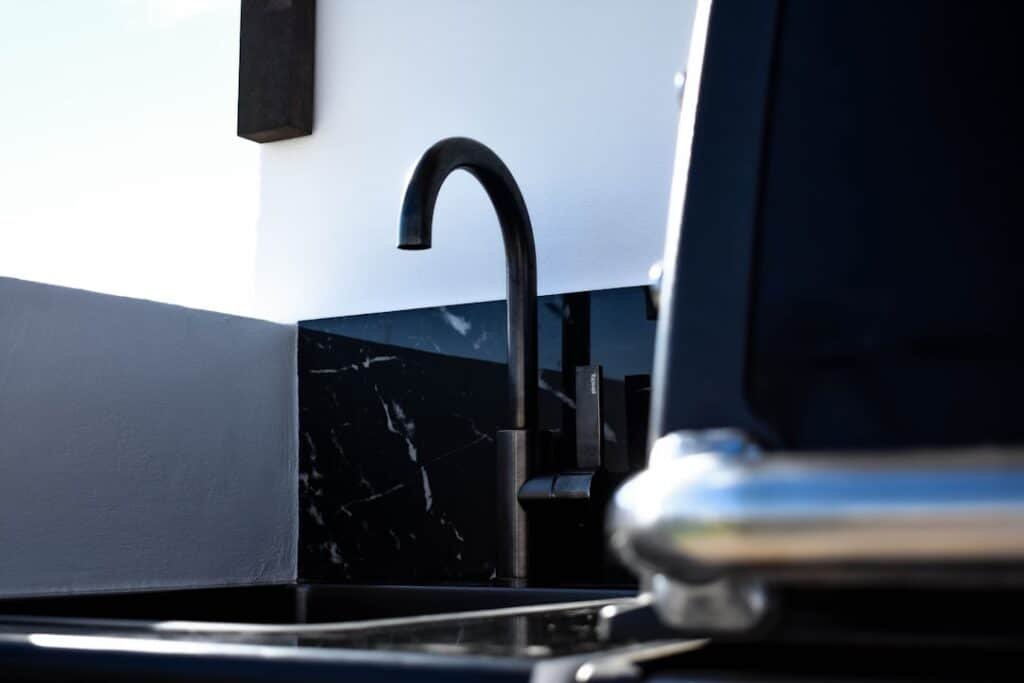
Imagine stepping outside into your backyard, where the sun is shining, and the air is filled with the tantalizing aroma of grilled meats and fresh vegetables. This is the allure of outdoor kitchens, a growing trend that transforms your outdoor space into a culinary haven. Outdoor kitchens not only enhance your cooking experience but also create a vibrant social atmosphere for family and friends.
They allow you to enjoy the beauty of nature while preparing meals, making them an ideal addition to any home. As you consider the possibilities of an outdoor kitchen, think about how it can elevate your lifestyle. Whether you envision hosting summer barbecues, intimate dinners under the stars, or simply enjoying a quiet morning coffee in the fresh air, an outdoor kitchen can cater to all these experiences.
With a variety of designs and features available, you can create a space that reflects your personal style and meets your cooking needs.
Key Takeaways
- Outdoor kitchens are a popular trend for homeowners looking to expand their living space and entertain guests.
- Factors such as available space, budget, and intended use will influence the size of an outdoor kitchen.
- The average size of an outdoor kitchen typically ranges from 100 to 400 square feet, depending on the available space and homeowner’s preferences.
- Popular layouts for outdoor kitchens include L-shaped, U-shaped, and galley designs, each offering different benefits for cooking and entertaining.
- Design tips for small outdoor kitchens include maximizing vertical space, using multi-functional appliances, and incorporating portable or foldable furniture.
Factors that Influence the Size of Outdoor Kitchens
When planning your outdoor kitchen, several factors will influence its size. First and foremost, the available space in your backyard plays a crucial role. You need to assess how much room you have to work with, considering not just the kitchen itself but also the surrounding areas for dining and relaxation.
A well-thought-out layout will ensure that your outdoor kitchen feels spacious and inviting rather than cramped and cluttered. Another important factor is your cooking habits and lifestyle. If you love entertaining large groups or frequently host family gatherings, you may want to opt for a larger kitchen that accommodates multiple cooking stations and ample seating.
Conversely, if you prefer more intimate gatherings or have a smaller family, a compact design may be more suitable. Your personal preferences and how you envision using the space will ultimately dictate its size.
Average Size of Outdoor Kitchens

The average size of outdoor kitchens can vary significantly based on individual preferences and available space. Generally, most outdoor kitchens range from 100 to 300 square feet. A smaller outdoor kitchen might include just a grill, a countertop for food preparation, and perhaps a small sink, while larger setups can feature full appliances like refrigerators, pizza ovens, and extensive counter space for meal prep.
When determining the size of your outdoor kitchen, consider how it will integrate with your existing outdoor living area. A well-designed kitchen should complement your patio or deck without overwhelming it. For instance, if you have a spacious patio, a larger kitchen can serve as a focal point, while in a smaller yard, a more compact design can still provide functionality without sacrificing aesthetics.
Popular Layouts for Outdoor Kitchens
As you explore layouts for your outdoor kitchen, you’ll find several popular designs that cater to different needs and preferences. One common layout is the L-shaped kitchen, which offers ample counter space and allows for easy movement between cooking and dining areas. This design is particularly effective for larger spaces where you want to create distinct zones for cooking and entertaining.
Another popular option is the U-shaped layout, which provides even more counter space and can accommodate multiple cooks at once. This design is ideal for those who enjoy hosting gatherings, as it allows guests to mingle while you prepare meals. Additionally, the island layout has gained popularity in recent years, featuring a central island that serves as both a cooking area and a gathering spot for friends and family.
Each layout has its unique advantages, so consider how you plan to use your outdoor kitchen when making your choice.
Design Tips for Small Outdoor Kitchens
If you’re working with limited space, there are several design tips to maximize functionality in your small outdoor kitchen. First, consider incorporating multi-functional furniture and appliances. For example, choose a grill that includes side burners or opt for a compact refrigerator that fits seamlessly into your design.
This approach allows you to make the most of every square inch without sacrificing essential features. Another effective strategy is to utilize vertical space. Installing shelves or cabinets above countertops can provide additional storage for utensils and cooking supplies while keeping them easily accessible.
Additionally, consider using foldable or stackable furniture that can be tucked away when not in use, allowing you to maintain an open and airy feel in your outdoor area. By being creative with your design choices, you can create a small outdoor kitchen that is both functional and stylish.
Design Tips for Large Outdoor Kitchens
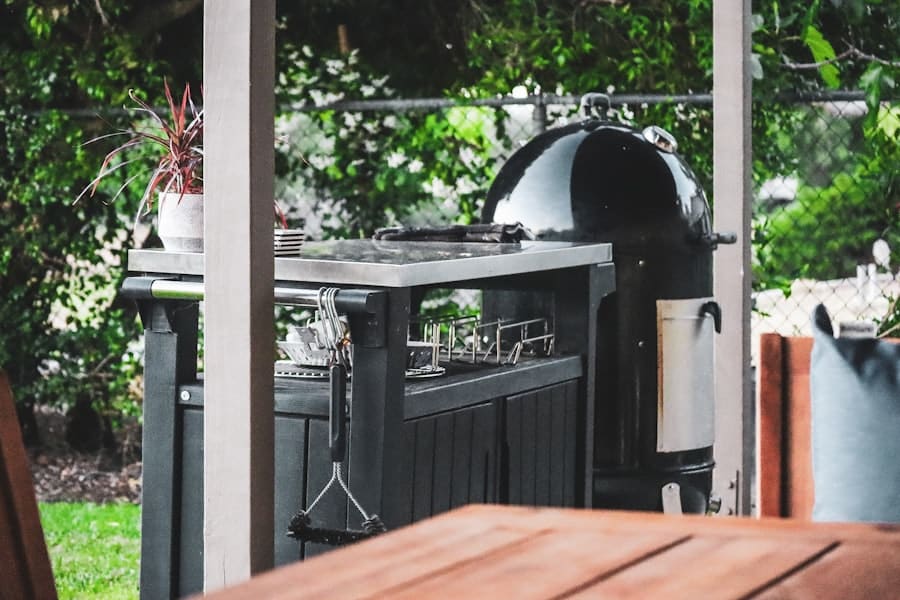
For those fortunate enough to have ample space for an outdoor kitchen, there are numerous design tips to consider that will enhance both functionality and aesthetics. One key aspect is to create distinct zones within your kitchen area. Designate specific areas for cooking, dining, and lounging to ensure that each function has its dedicated space.
This not only improves workflow but also encourages social interaction among guests. Incorporating high-quality materials is another essential consideration for large outdoor kitchens. Opt for durable countertops made from stone or concrete that can withstand the elements while providing an elegant look.
Additionally, consider adding features like an outdoor fireplace or built-in seating to create a cozy atmosphere for gatherings. By investing in quality materials and thoughtful design elements, you can create an outdoor kitchen that serves as an extension of your home and enhances your overall outdoor living experience.
Budget Considerations for Outdoor Kitchens
When planning your outdoor kitchen, it’s crucial to establish a budget that aligns with your vision while remaining realistic about costs. Begin by determining what features are most important to you—whether it’s high-end appliances, custom cabinetry, or premium materials—and allocate funds accordingly. Keep in mind that while it may be tempting to cut corners on certain elements to save money, investing in quality components will pay off in the long run through durability and performance.
Additionally, consider the costs associated with installation and any necessary permits or inspections required by local regulations. Hiring professionals for plumbing or electrical work may add to your budget but can ensure safety and compliance with building codes. By carefully planning your budget and prioritizing essential features, you can create an outdoor kitchen that meets your needs without breaking the bank.
Conclusion and Final Thoughts
In conclusion, an outdoor kitchen can significantly enhance your home and lifestyle by providing a functional space for cooking and entertaining in the great outdoors. As you embark on this exciting project, take the time to consider factors such as size, layout, design elements, and budget constraints to create a space that truly reflects your personal style and meets your culinary needs. Whether you have a small balcony or a sprawling backyard, there are countless ways to design an outdoor kitchen that suits your lifestyle.
By incorporating thoughtful design tips and prioritizing quality materials, you can create an inviting atmosphere that encourages gatherings with family and friends while enjoying the beauty of nature. Ultimately, an outdoor kitchen is not just about cooking; it’s about creating lasting memories in a space that feels like an extension of your home.
If you are interested in outdoor kitchen design that balances regional aesthetics with contemporary functionality, you may want to check out the article Fusion of Past and Present: Balancing Regional Aesthetics with Contemporary Functionality. This article explores how to create an outdoor kitchen that reflects the unique style of your region while still incorporating modern conveniences.
FAQs
What is an outdoor kitchen?
An outdoor kitchen is a space designed for cooking and entertaining outdoors, typically equipped with a grill, countertops, sink, and storage.
What is the average size of an outdoor kitchen?
The average size of an outdoor kitchen can vary, but it typically ranges from 100 to 400 square feet, depending on the available space and the homeowner’s preferences.
What factors can influence the size of an outdoor kitchen?
Factors that can influence the size of an outdoor kitchen include the available space, the homeowner’s cooking and entertaining needs, the budget, and the desired features and appliances.
What are some common features of an outdoor kitchen?
Common features of an outdoor kitchen include a grill, countertops, sink, storage cabinets, refrigerator, and seating area. Additional features may include a pizza oven, bar area, and outdoor lighting.
What are the benefits of having an outdoor kitchen?
Some benefits of having an outdoor kitchen include expanding living and entertaining space, enjoying outdoor cooking and dining, increasing home value, and creating a gathering place for family and friends.