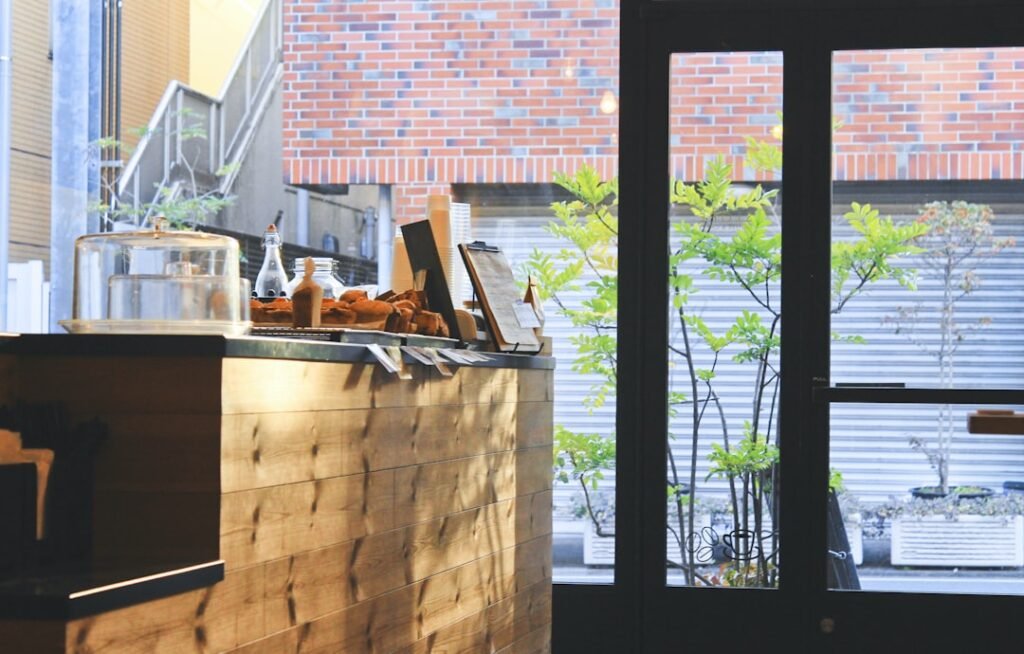
When you embark on the journey of creating an outdoor kitchen, the first step is to meticulously plan and design the space. You need to envision how you want the area to function and what features are essential for your cooking and entertaining needs. Consider the layout carefully; think about how you will move between different stations, such as the grill, prep area, and dining space.
You might want to sketch a rough blueprint or use design software to visualize your ideas. This initial planning phase is crucial, as it sets the foundation for your entire project. In addition to functionality, aesthetics play a significant role in your outdoor kitchen design.
You should consider how the kitchen will blend with your existing landscape and home architecture. Choose colors, materials, and styles that complement your outdoor space. Whether you prefer a rustic charm or a sleek modern look, your design should reflect your personal taste while also being practical for outdoor use.
Remember to account for elements like shade and wind direction, as these factors can influence your cooking experience and comfort.
Key Takeaways
- Careful planning and design are essential for creating an efficient and functional outdoor kitchen space.
- Choosing budget-friendly materials such as concrete, stainless steel, and composite decking can help keep costs down without sacrificing quality.
- Consider the pros and cons of DIY versus hiring a professional to ensure the project is completed within budget and to a high standard.
- Utilizing existing structures and features, such as an outdoor patio or built-in grill, can help save on construction costs.
- Shopping for affordable appliances and fixtures, such as second-hand or discounted items, can significantly reduce the overall cost of the outdoor kitchen.
Choosing Budget-Friendly Materials
Selecting the right materials is essential for both the durability and cost-effectiveness of your outdoor kitchen. You may be tempted to go for high-end options, but there are plenty of budget-friendly materials that can still provide a stylish and functional space. For countertops, consider using concrete or composite materials that mimic the look of stone without the hefty price tag.
These options are not only affordable but also resistant to weather conditions, making them ideal for outdoor use. When it comes to cabinetry and storage solutions, you might want to explore alternatives like marine-grade plywood or stainless steel. These materials are designed to withstand moisture and temperature fluctuations, ensuring longevity without breaking the bank.
Additionally, look for recycled or reclaimed materials that can add character to your kitchen while being environmentally friendly. By being resourceful in your material choices, you can create a stunning outdoor kitchen that fits within your budget.
One of the most significant decisions you’ll face during your outdoor kitchen project is whether to tackle it yourself or hire a professional. If you have a knack for DIY projects and feel confident in your skills, taking on the construction yourself can save you a considerable amount of money. You can find numerous online resources, tutorials, and videos that guide you through various aspects of building an outdoor kitchen.
This hands-on approach allows you to customize every detail according to your preferences. However, if you’re unsure about your abilities or if the project seems overwhelming, hiring a professional might be the best route. Professionals bring expertise and experience that can ensure the job is done correctly and efficiently.
They can also help you navigate local building codes and permits, which can be daunting for a novice. While this option may require a larger upfront investment, it can save you time and potential headaches in the long run.
Utilizing Existing Structures and Features
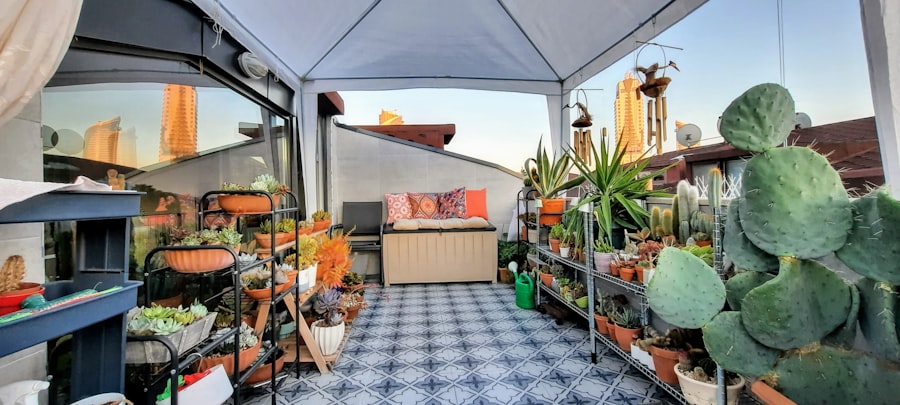
Before diving into new construction, take a moment to assess your outdoor space for existing structures and features that can be incorporated into your kitchen design. Perhaps you have a patio, deck, or even an old shed that can be repurposed as part of your outdoor kitchen setup. Utilizing these existing elements not only saves money but also adds character to your space by blending new features with what’s already there.
Additionally, consider how natural features like trees or shrubs can enhance your outdoor kitchen experience. For instance, positioning your cooking area near a tree can provide shade during hot summer days, making it more comfortable for you and your guests. By creatively integrating existing structures and natural elements into your design, you can create a cohesive outdoor kitchen that feels like an extension of your home.
Shopping for Affordable Appliances and Fixtures
When it comes to outfitting your outdoor kitchen with appliances and fixtures, it’s essential to shop smartly to find affordable options without compromising quality. Start by researching brands that offer reliable outdoor appliances at competitive prices. Look for sales or discounts at local home improvement stores or online retailers; many offer seasonal promotions that can significantly reduce costs.
Consider purchasing floor models or slightly used appliances from reputable sources. These options often come at a fraction of the original price while still providing excellent functionality. Additionally, think about what appliances are truly necessary for your cooking style; sometimes, less is more.
By focusing on essential items like a grill, refrigerator, and sink, you can keep costs down while still creating an efficient cooking space.
Incorporating Cost-Effective Cooking Options
Incorporating cost-effective cooking options into your outdoor kitchen can enhance both functionality and enjoyment without straining your budget. One popular choice is using a charcoal grill instead of a gas model; charcoal grills are often less expensive and can impart a unique flavor to your food that many enthusiasts prefer. If you’re open to experimenting with different cooking methods, consider adding a fire pit or pizza oven as well; these options can provide versatile cooking experiences while being budget-friendly.
Another cost-effective option is to utilize portable cooking appliances like electric griddles or induction cooktops when needed. These appliances are often more affordable than built-in options and can be easily stored away when not in use. By thinking creatively about how you cook outdoors, you can create a versatile kitchen that meets all your culinary needs without overspending.
Saving on Installation and Labor Costs
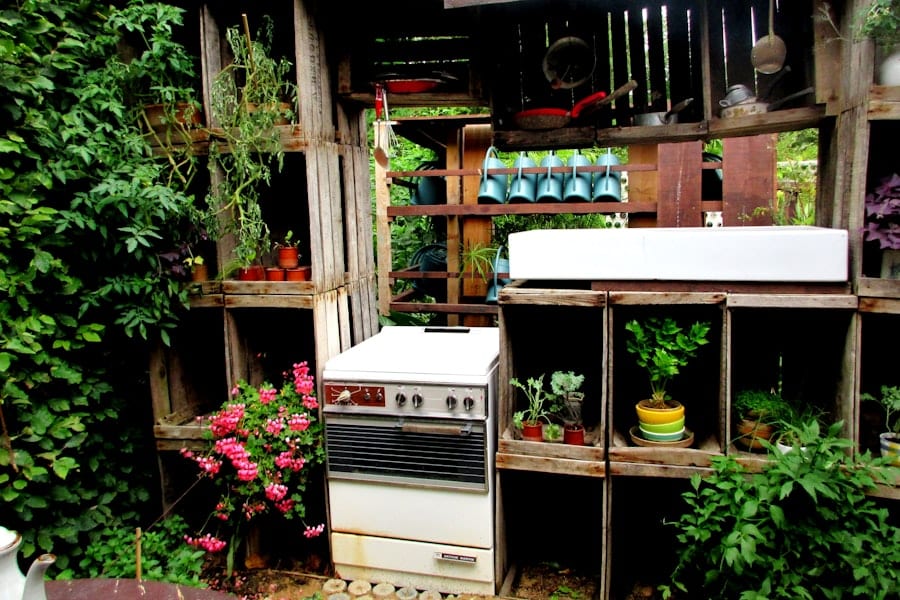
To keep installation and labor costs manageable, consider taking on some of the work yourself while hiring professionals only for specialized tasks. For example, if you’re comfortable with basic construction skills, you might handle the framing and assembly of cabinets while leaving plumbing or electrical work to licensed professionals. This hybrid approach allows you to save money while ensuring that critical aspects of the installation are done correctly.
Additionally, timing can play a significant role in labor costs. If you’re flexible with when you start your project, consider scheduling it during off-peak seasons when contractors may offer lower rates due to decreased demand. By being strategic about when and how you approach installation, you can significantly reduce costs while still achieving a high-quality result.
Maintenance and Long-Term Cost Considerations
As you finalize your outdoor kitchen project, it’s crucial to think about maintenance and long-term costs associated with keeping your space in top condition. Choosing durable materials from the outset will help minimize future repair expenses; for instance, stainless steel appliances may require less upkeep than their less durable counterparts. Regular maintenance routines—such as cleaning grills after each use and covering appliances during inclement weather—can extend the life of your outdoor kitchen significantly.
Moreover, consider how energy-efficient appliances can save you money over time. Investing in energy-efficient models may have a higher upfront cost but will pay off in reduced utility bills in the long run. By planning for maintenance and considering long-term costs as part of your overall budget, you’ll ensure that your outdoor kitchen remains a valuable asset for years to come.
In conclusion, creating an outdoor kitchen is an exciting endeavor that requires careful planning and consideration of various factors—from design and materials to installation and maintenance. By approaching each aspect thoughtfully and creatively, you can build an inviting space that enhances your home while staying within budget. Whether you choose to go the DIY route or enlist professional help, remember that the ultimate goal is to create an enjoyable environment where you can cook, entertain, and make lasting memories with family and friends.
If you are looking for tips on how to build an outdoor kitchen on a budget, you may want to check out the article on Better Home Contractor in Hemet, California. They offer valuable insights and advice on cost-effective ways to create a functional and stylish outdoor cooking space.
FAQs
What are the benefits of building an outdoor kitchen?
Building an outdoor kitchen can provide a space for entertaining, cooking, and enjoying the outdoors. It can also increase the value of your home and provide a new area for dining and relaxation.
What are the cost-saving options for building an outdoor kitchen?
Some cost-saving options for building an outdoor kitchen include using affordable materials such as concrete or composite countertops, opting for a prefabricated kitchen island, and choosing budget-friendly appliances.
What are some inexpensive materials for building an outdoor kitchen?
Inexpensive materials for building an outdoor kitchen include concrete blocks for the base, concrete or composite countertops, and affordable yet durable flooring options such as concrete pavers or gravel.
How can I save money on outdoor kitchen appliances?
To save money on outdoor kitchen appliances, consider purchasing gently used or discounted appliances, opting for smaller or fewer appliances, and choosing energy-efficient models to save on operating costs.
What are some cost-effective design tips for an outdoor kitchen?
Cost-effective design tips for an outdoor kitchen include keeping the layout simple and compact, utilizing existing structures such as a patio or deck, and incorporating low-maintenance landscaping to enhance the outdoor space.