
As you embark on the journey of creating your dream outdoor kitchen, one of the most crucial aspects to consider is the selection of countertops and cabinets. These elements not only serve functional purposes but also contribute significantly to the overall aesthetic appeal of your outdoor space. An outdoor kitchen is more than just a cooking area; it’s a place for gathering, entertaining, and enjoying the beauty of nature while indulging in culinary delights.
Therefore, choosing the right materials for your countertops and cabinets is essential to ensure durability, style, and practicality. When designing your outdoor kitchen, envision how you will use the space. Will it be a casual area for family barbecues, or do you plan to host elaborate dinner parties?
Your lifestyle and preferences will guide your choices in materials, colors, and finishes. The right countertops and cabinets can enhance your outdoor cooking experience, making it more enjoyable and efficient. As you explore various options, keep in mind that the materials you select should withstand the elements while complementing your home’s architecture and landscape.
Key Takeaways
- Outdoor kitchen countertops and cabinets are essential components of a functional and stylish outdoor cooking space.
- Popular materials for outdoor kitchen countertops include granite, concrete, tile, and stainless steel, each with their own unique benefits and drawbacks.
- When considering different countertop materials, it’s important to weigh factors such as durability, maintenance, and heat resistance.
- Commonly used materials for outdoor kitchen cabinets include stainless steel, marine-grade polymer, and teak, each offering different levels of durability and weather resistance.
- When choosing the right materials for outdoor kitchen countertops and cabinets, it’s important to consider factors such as climate, maintenance, and overall design aesthetic.
Popular Materials for Outdoor Kitchen Countertops
When it comes to outdoor kitchen countertops, several materials stand out for their durability and aesthetic appeal. One of the most popular choices is granite. Known for its natural beauty and resilience, granite countertops can withstand high temperatures and resist scratches, making them ideal for outdoor cooking environments.
Available in a wide range of colors and patterns, granite allows you to customize your outdoor kitchen to match your personal style. Another favored material is concrete. This versatile option can be molded into various shapes and sizes, allowing for unique designs that fit your specific needs.
Concrete countertops can be stained or polished to achieve different looks, from rustic to modern. Additionally, they are highly durable and can withstand harsh weather conditions, making them a practical choice for outdoor settings. If you’re looking for something that combines aesthetics with functionality, concrete might be the perfect fit for your outdoor kitchen.
Pros and Cons of Different Countertop Materials
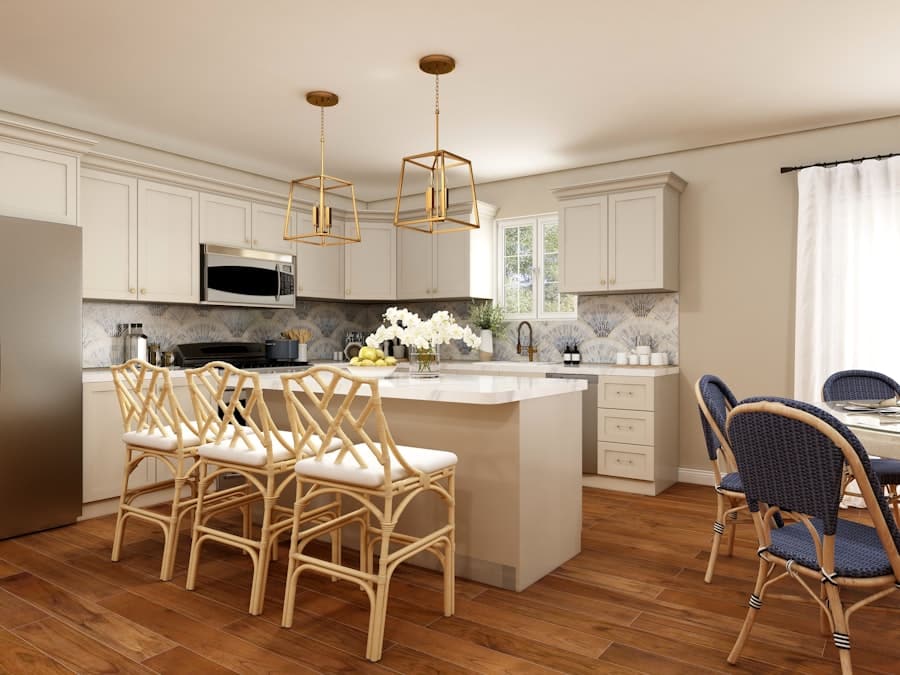
Each countertop material comes with its own set of advantages and disadvantages that you should carefully consider before making a decision. For instance, granite is incredibly durable and heat-resistant, but it can be heavy and may require professional installation. Additionally, while granite is relatively low-maintenance, it does need periodic sealing to prevent staining from spills or moisture.
On the other hand, concrete offers a unique aesthetic that can be tailored to your preferences, but it may require more maintenance than other materials. While it is resistant to heat and scratches, concrete can be prone to cracking if not properly installed or if subjected to extreme temperature fluctuations. Understanding these pros and cons will help you make an informed choice that aligns with your lifestyle and maintenance preferences.
Commonly Used Materials for Outdoor Kitchen Cabinets
Just as important as your countertops are the cabinets that will house your cooking essentials and outdoor dining supplies. When selecting materials for outdoor kitchen cabinets, you’ll find that stainless steel is a top contender. Renowned for its sleek appearance and resistance to rust and corrosion, stainless steel cabinets are perfect for outdoor environments.
They are easy to clean and maintain, making them a practical choice for busy cooks who want a stylish yet functional space. Another popular option is marine-grade polymer. This material is specifically designed to withstand harsh weather conditions without warping or fading.
Marine-grade polymer cabinets come in various colors and styles, allowing you to achieve a customized look while ensuring longevity. If you’re looking for cabinets that can endure the elements while maintaining their appearance over time, marine-grade polymer could be an excellent choice for your outdoor kitchen.
Benefits and Drawbacks of Various Cabinet Materials
As you weigh your options for outdoor kitchen cabinets, it’s essential to consider the benefits and drawbacks of each material. Stainless steel cabinets are incredibly durable and resistant to moisture, but they can be prone to scratches and fingerprints, which may require regular cleaning to maintain their shine. Additionally, while stainless steel offers a modern look, it may not suit every design aesthetic.
Marine-grade polymer cabinets excel in durability and resistance to fading or warping due to exposure to sunlight and moisture. However, they may come at a higher price point compared to traditional wood or laminate options. While wood cabinets can provide a warm and inviting look, they may not hold up as well in outdoor conditions unless treated with protective finishes regularly.
By understanding these factors, you can choose cabinet materials that align with both your design vision and practical needs.
Considerations for Choosing the Right Materials
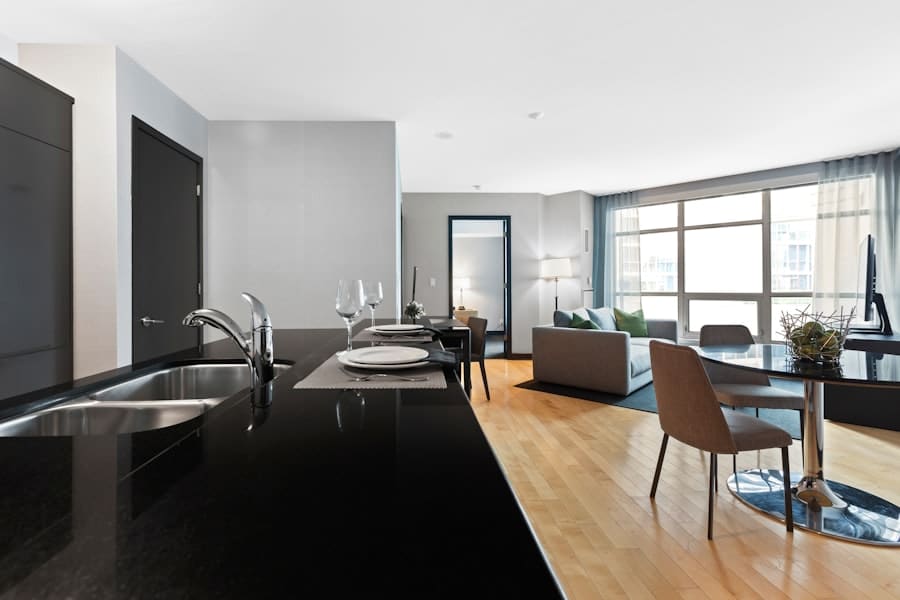
Selecting the right materials for your outdoor kitchen countertops and cabinets involves several considerations beyond aesthetics. First and foremost, think about the climate in your area. If you live in a region with extreme temperatures or high humidity levels, opt for materials that can withstand these conditions without deteriorating over time.
For instance, stainless steel and marine-grade polymer are excellent choices for humid environments due to their resistance to moisture. Additionally, consider how much maintenance you’re willing to commit to over time. Some materials require regular sealing or special cleaning products to maintain their appearance, while others are more low-maintenance.
If you prefer a hassle-free experience, look for materials that are easy to clean and resistant to stains or scratches. Finally, think about your budget; while some materials may have a higher upfront cost, their durability could save you money in the long run by reducing replacement needs.
Maintenance and Care for Outdoor Kitchen Countertops and Cabinets
Once you’ve selected the perfect materials for your outdoor kitchen countertops and cabinets, it’s essential to establish a maintenance routine to keep them looking their best. For granite countertops, regular cleaning with mild soap and water is usually sufficient; however, be sure to reseal them every year or two to protect against stains. Avoid using harsh chemicals or abrasive cleaners that could damage the surface.
For stainless steel cabinets, routine cleaning with a soft cloth can help prevent fingerprints and smudges from accumulating. You might also consider using specialized stainless steel cleaners that can enhance shine while providing protection against rust. If you’ve chosen marine-grade polymer cabinets, simply wiping them down with soap and water will keep them looking fresh without the need for extensive maintenance.
By following these care tips, you can ensure that your outdoor kitchen remains a beautiful and functional space for years to come.
Conclusion and Final Tips for Outdoor Kitchen Design
In conclusion, designing an outdoor kitchen involves careful consideration of both countertops and cabinets. The materials you choose will significantly impact not only the functionality of your space but also its overall aesthetic appeal. By exploring popular options like granite, concrete, stainless steel, and marine-grade polymer, you can find the perfect combination that suits your style and meets your practical needs.
As you finalize your design plans, remember to prioritize durability and maintenance alongside aesthetics. Take into account your local climate conditions and how much upkeep you’re willing to commit to over time. With thoughtful planning and attention to detail, your outdoor kitchen can become a stunning extension of your home—one that invites friends and family to gather around delicious meals in a beautiful setting.
Embrace the process of creating this unique space; after all, an outdoor kitchen is not just about cooking; it’s about creating lasting memories with loved ones in an inviting atmosphere.
If you are considering building an outdoor kitchen, you may also be interested in reading about the services offered by Better Home Contractor in Mount Pleasant, South Carolina. They specialize in outdoor kitchen construction and can help you choose the best materials for your countertops and cabinets. Check out their website