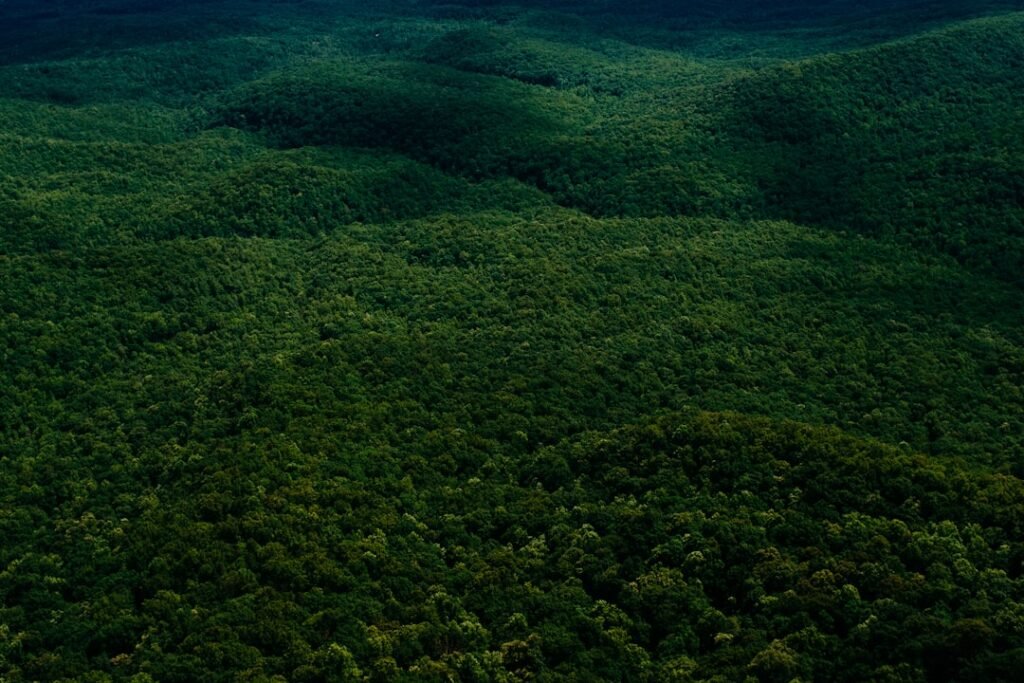
When embarking on any project that involves land use, the first step you must take is a thorough planning and assessment of the site. This initial phase is crucial as it lays the groundwork for all subsequent actions. You should begin by gathering comprehensive data about the area, including its topography, soil composition, existing vegetation, and wildlife habitats.
Utilizing tools such as Geographic Information Systems (GIS) can enhance your understanding of the landscape and help you identify potential challenges. Engaging with local environmental experts can also provide valuable insights into the ecological significance of the site, ensuring that you are well-informed before making any decisions. As you assess the site, it is essential to consider not only the immediate impacts of your project but also its long-term implications.
You should evaluate how your activities might affect local ecosystems, water quality, and biodiversity. This holistic approach will enable you to develop a sustainable plan that minimizes negative consequences. By involving stakeholders, including community members and environmental organizations, you can gather diverse perspectives that may influence your planning process.
Ultimately, a well-conceived assessment will guide you in making informed choices that align with both your project goals and environmental stewardship.
Key Takeaways
- Proper planning and assessment of the site is crucial for successful land clearing projects.
- Identification and protection of sensitive areas is important to minimize environmental impact.
- Implementation of buffer zones can help to protect surrounding areas from the effects of land clearing.
- The use of low impact clearing techniques can help to minimize damage to the environment.
- Removal and transplanting of vegetation should be done carefully to preserve the natural ecosystem.
Identification and Protection of Sensitive Areas
Once you have completed your site assessment, the next step is to identify and protect sensitive areas within the landscape. Sensitive areas may include wetlands, riparian zones, endangered species habitats, or regions with unique geological features. You should prioritize these locations in your planning to ensure they receive the necessary protection during your project.
Mapping these sensitive areas is a practical approach; it allows you to visualize their locations and understand their significance in relation to your project. In protecting these sensitive areas, you must implement strategies that minimize disturbance. This could involve establishing clear boundaries that delineate protected zones and ensuring that all workers are aware of these limits.
You might also consider employing signage to remind everyone on-site of the importance of these areas. Additionally, engaging with environmental specialists can help you develop specific protection measures tailored to the unique characteristics of each sensitive area. By taking these steps, you not only safeguard vital ecosystems but also demonstrate a commitment to responsible land management.
Implementation of Buffer Zones
The establishment of buffer zones is a critical component in protecting sensitive areas from potential disturbances caused by your project. Buffer zones act as transitional spaces between developed land and natural habitats, serving to filter pollutants, reduce erosion, and provide habitat for wildlife. As you plan your buffer zones, consider their width and composition carefully; wider zones generally offer more effective protection.
You should also select appropriate vegetation for these areas, opting for native species that can thrive in the local environment while providing essential ecosystem services. In addition to their ecological benefits, buffer zones can enhance the aesthetic appeal of your project site. By incorporating natural landscapes into your design, you create a more visually pleasing environment that can be enjoyed by both workers and visitors alike.
Furthermore, buffer zones can serve as educational tools, allowing you to demonstrate the importance of conservation practices to stakeholders and the community. By prioritizing buffer zones in your planning process, you contribute to a more sustainable project that respects the integrity of the surrounding ecosystem.
Use of Low Impact Clearing Techniques
As you move forward with your project, employing low impact clearing techniques is essential for minimizing environmental disruption. Traditional clearing methods often result in significant soil disturbance and habitat destruction; however, low impact techniques focus on preserving as much of the existing ecosystem as possible. You should consider methods such as selective clearing, where only specific trees or vegetation are removed based on their size or health, rather than clear-cutting entire areas.
Another effective low impact technique is using specialized equipment designed to minimize soil compaction and disturbance. For instance, rubber-tracked machinery can reduce the pressure exerted on the ground compared to traditional wheeled vehicles. Additionally, timing your clearing activities to avoid sensitive periods for wildlife—such as nesting seasons—can further mitigate impacts on local fauna.
By adopting these low impact clearing techniques, you not only protect the environment but also enhance the sustainability of your project.
Removal and Transplanting of Vegetation
In some cases, it may be necessary to remove vegetation from certain areas to facilitate your project. However, rather than simply discarding this vegetation, consider the option of transplanting it to other locations on-site or even off-site where it can thrive. This approach not only preserves valuable plant species but also contributes to maintaining biodiversity in the area.
Before proceeding with removal, you should assess which plants are suitable for transplanting based on their health and adaptability. When transplanting vegetation, timing is crucial; you should aim to perform this task during periods when plants are dormant or less stressed by environmental conditions. Proper techniques for digging up plants—such as ensuring adequate root ball size—are essential for successful transplantation.
After relocating the plants, provide them with appropriate care to help them establish in their new environment. By focusing on the removal and transplanting of vegetation rather than outright destruction, you demonstrate a commitment to ecological preservation while still achieving your project goals.
Minimization of Soil Disturbance
Planning Construction Activities
Careful planning of construction activities can help limit heavy machinery movement across sensitive areas, thereby minimizing soil disturbance. Designating specific routes for equipment can concentrate disturbances in less critical zones while preserving more vulnerable regions.
Erosion Control Measures
Implementing erosion control measures can further protect soil quality during and after construction activities. Techniques such as silt fencing or sediment basins can capture runoff and prevent soil loss from disturbed areas.
Stabilizing Exposed Soil Surfaces
Using ground cover plants or mulch can stabilize exposed soil surfaces and reduce erosion risks. By taking proactive steps to minimize soil disturbance, you contribute to a healthier ecosystem that supports both current and future generations.
Monitoring and Maintenance of Cleared Areas
After clearing activities are completed, ongoing monitoring and maintenance of these areas are crucial for ensuring their recovery and ecological health. You should establish a monitoring plan that includes regular assessments of vegetation regrowth, soil stability, and overall ecosystem health. This plan will help you identify any issues early on—such as invasive species encroachment or erosion—and allow you to take corrective actions promptly.
Maintenance activities may include replanting native species where necessary or implementing additional erosion control measures if signs of degradation appear. Engaging with local conservation groups or experts can provide valuable support in monitoring efforts and help ensure that best practices are followed throughout the recovery process. By committing to ongoing monitoring and maintenance, you not only enhance the success of your project but also contribute positively to the surrounding environment.
Education and Training for Site Workers
Finally, one of the most effective ways to ensure the success of your project while minimizing environmental impacts is through education and training for site workers. Providing comprehensive training on best practices for land management will empower your team to make informed decisions that align with sustainability goals. You should cover topics such as identifying sensitive areas, understanding low impact techniques, and recognizing the importance of soil preservation.
Regular workshops or training sessions can reinforce these concepts and keep workers engaged in environmental stewardship throughout the project duration. Encouraging open communication among team members about environmental concerns fosters a culture of responsibility and awareness on-site. By investing in education and training for your workers, you create a knowledgeable workforce dedicated to implementing sustainable practices that benefit both your project and the environment at large.
In conclusion, navigating land use projects requires careful planning and consideration at every stage—from initial assessments to ongoing maintenance efforts. By prioritizing sensitive areas, implementing buffer zones, utilizing low impact techniques, transplanting vegetation responsibly, minimizing soil disturbance, monitoring cleared areas diligently, and educating site workers effectively, you can achieve a balance between development goals and environmental preservation. Your commitment to these principles not only enhances the success of your project but also contributes positively to the broader ecological landscape for future generations to enjoy.
When considering measures to protect existing vegetation and wildlife during site-clearing, it is important to also think about the impact of construction on local ecosystems. A related article on