
When you begin to envision your outdoor space, the layout is one of the most critical aspects to consider. You want to create an area that is not only functional but also inviting and aesthetically pleasing. Start by mapping out the dimensions of your yard or patio.
Think about how you plan to use the space—will it be primarily for entertaining guests, relaxing with family, or perhaps a combination of both? By identifying your primary purpose, you can better determine how to arrange furniture, plants, and other elements to suit your needs. As you visualize the layout, consider the flow of movement within the space.
You want to ensure that there is a natural progression from one area to another. For instance, if you plan to have a dining area, it should be easily accessible from the kitchen. Pathways should be clear and inviting, guiding guests seamlessly from one section to another.
Additionally, think about incorporating different zones within your outdoor area. A cozy nook for reading, a vibrant garden for growing herbs, and a spacious dining area can all coexist harmoniously if planned thoughtfully.
Key Takeaways
- Consider the layout of your outdoor space to optimize functionality and flow
- Assess the proximity to your indoor kitchen for convenience in food preparation and serving
- Take into account the prevailing wind direction to minimize discomfort and potential damage
- Think about the amount of shade available to ensure comfort during hot weather
- Evaluate the privacy of the location to create a peaceful and intimate outdoor living space
Assess the proximity to your indoor kitchen
The distance between your outdoor space and your indoor kitchen can significantly impact your overall experience. If you envision hosting barbecues or outdoor dinner parties, having a kitchen nearby will make food preparation and serving much more convenient. You might find it beneficial to create a direct line of sight or a clear pathway between the two spaces.
This way, you can easily transport dishes, drinks, and utensils without feeling burdened by the distance. Moreover, consider how the proximity affects your cooking style. If you enjoy grilling or preparing meals outdoors, having easy access to your indoor kitchen allows for a seamless transition between cooking and dining.
You might even contemplate installing an outdoor kitchen or a bar area that complements your indoor setup. This not only enhances functionality but also creates a cohesive look that ties both spaces together beautifully.
Take into account the prevailing wind direction
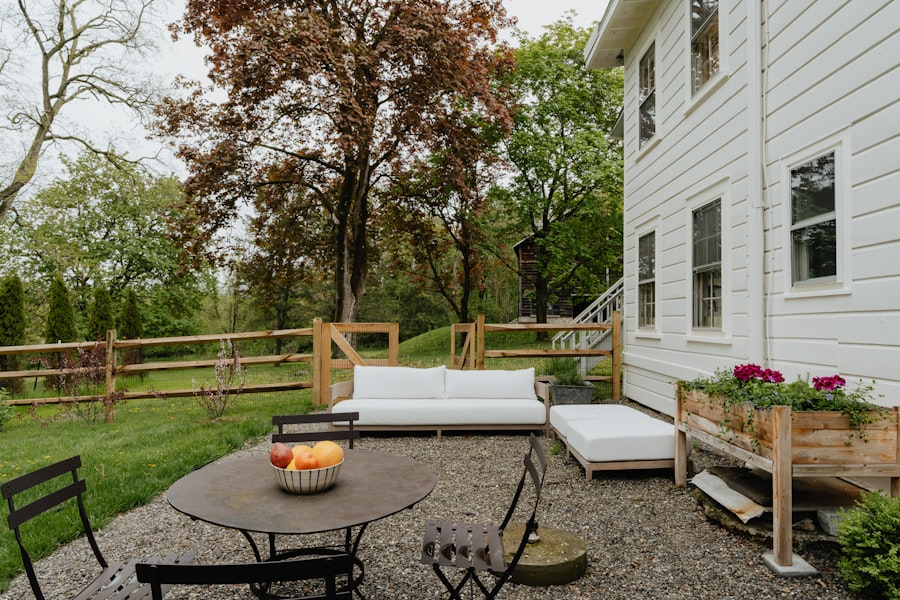
Understanding the prevailing wind direction in your area is essential when designing your outdoor space. Wind can influence everything from comfort levels to the placement of plants and furniture. If you live in a breezy region, you may want to position seating areas in a way that shields them from strong gusts.
This will ensure that you and your guests can enjoy the outdoors without being uncomfortably buffeted by the wind. Additionally, consider how wind direction affects elements like fire pits or outdoor heaters. You want to ensure that smoke or heat is directed away from seating areas to create a more pleasant atmosphere.
Furthermore, if you plan to grow plants or install a garden, understanding wind patterns can help you choose appropriate species that thrive in your specific conditions. By taking wind direction into account, you can create an outdoor space that is both comfortable and conducive to relaxation.
Think about the amount of shade available
Shade is another crucial factor to consider when designing your outdoor living space. Depending on your climate, too much sun can make your area uncomfortable during peak hours. Assess the natural shade provided by trees, structures, or overhangs in your yard.
If you find that certain areas are too exposed, think about incorporating shade solutions such as umbrellas, pergolas, or awnings. These additions not only provide relief from the sun but can also enhance the overall aesthetic of your space. Moreover, consider how shade can impact your plant choices.
Some plants thrive in full sun while others prefer partial shade. By understanding the light conditions in different areas of your outdoor space, you can select plants that will flourish and contribute to a vibrant landscape. Balancing sunny spots with shaded areas will create a dynamic environment where you can enjoy various activities throughout the day.
Evaluate the privacy of the location
Privacy is often an overlooked aspect when planning an outdoor space, yet it plays a significant role in how comfortable you feel in that environment. Take stock of your surroundings—are there neighboring houses or busy streets nearby? If so, you may want to consider ways to enhance privacy through landscaping or structural elements.
Tall hedges, trellises with climbing plants, or strategically placed screens can create a sense of seclusion without sacrificing style. Additionally, think about how privacy affects your outdoor activities. If you plan to host gatherings or simply relax with a book, having a private oasis can make all the difference in your enjoyment of the space.
You might also want to consider sound barriers if noise from neighbors or traffic is an issue. By thoughtfully addressing privacy concerns, you can create an outdoor sanctuary where you feel free to unwind and enjoy nature.
Consider the proximity to utilities such as water and electricity
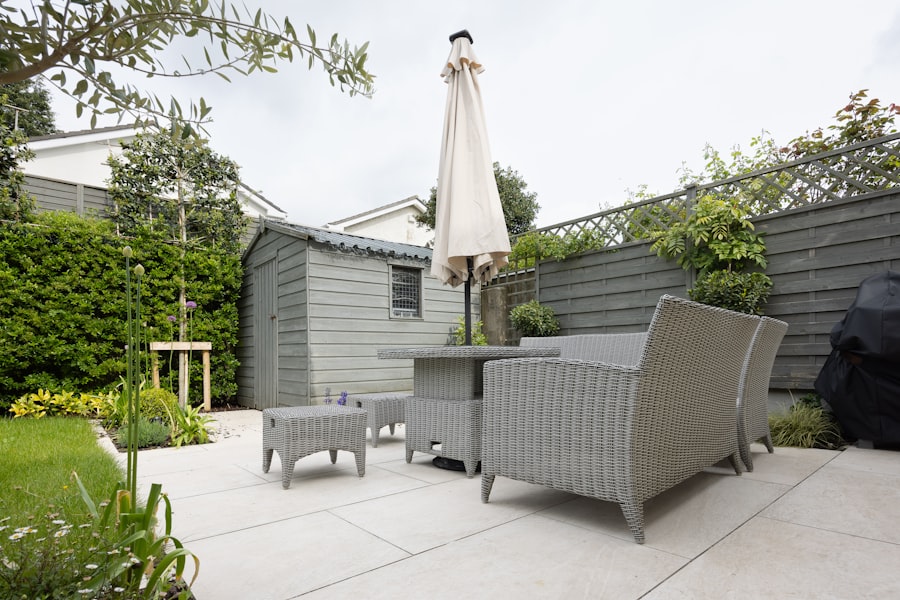
When designing your outdoor space, proximity to utilities like water and electricity is essential for functionality and convenience. If you plan on gardening, having easy access to water sources will make maintenance much simpler. Consider installing a hose bib or even a small irrigation system if you’re serious about cultivating plants.
This will save you time and effort while ensuring that your garden remains healthy and vibrant. Electricity is equally important if you envision using lighting for ambiance or power for appliances like grills or outdoor kitchens. Assess where existing outlets are located and whether they meet your needs.
You might find it beneficial to install additional outlets in strategic locations for convenience. By ensuring that water and electricity are easily accessible, you’ll enhance the usability of your outdoor space and make it more enjoyable for various activities.
Assess the potential for noise interference
Noise can significantly impact your outdoor experience, so it’s crucial to assess potential sources of interference before finalizing your design. Consider nearby roads, construction sites, or even loud neighbors that could disrupt your peace and quiet. If noise is a concern, think about incorporating sound barriers such as fences or dense plantings that can help muffle unwanted sounds.
Additionally, consider how sound can be used to enhance your outdoor space rather than detract from it. Water features like fountains or ponds can create soothing background noise that masks other disturbances while adding visual interest. By thoughtfully addressing noise concerns and incorporating elements that promote tranquility, you can create an outdoor environment that feels serene and inviting.
Think about the overall aesthetic and flow of your outdoor living space
Finally, as you bring all these elements together, consider the overall aesthetic and flow of your outdoor living space. The design should reflect your personal style while also harmonizing with the surrounding environment. Think about color schemes, materials, and textures that resonate with you and create a cohesive look throughout the area.
Flow is equally important; ensure that each zone transitions smoothly into the next without feeling disjointed. Use pathways, plantings, or decorative elements to guide movement through the space naturally. By paying attention to both aesthetics and flow, you’ll create an outdoor living area that feels inviting and well-organized—a true extension of your home where you can relax and entertain with ease.
In conclusion, designing an outdoor living space requires careful consideration of various factors including layout, proximity to indoor spaces, wind direction, shade availability, privacy concerns, utility access, noise levels, and overall aesthetics. By taking these elements into account and planning thoughtfully, you can create an outdoor oasis that meets your needs and enhances your lifestyle for years to come.
If you are considering adding an outdoor kitchen to your home, you may also be interested in reading about collaborating with local craftsmen for authentic regional designs. This article from Better Home Contractor explores the benefits of working with artisans to create a unique and personalized outdoor space that reflects the style and culture of your region. By incorporating local materials and craftsmanship into your outdoor kitchen design, you can create a one-of-a-kind space that truly stands out.
FAQs
What are the factors to consider when deciding where to put an outdoor kitchen?
Some factors to consider when deciding where to put an outdoor kitchen include the proximity to the indoor kitchen, prevailing wind direction, access to utilities such as water and electricity, and the layout of the outdoor space.
Should I place my outdoor kitchen near the house or further away?
Placing the outdoor kitchen near the house is generally more convenient as it allows for easier access to utilities and reduces the distance for carrying food and supplies. However, some homeowners may prefer to place the outdoor kitchen further away to create a separate entertaining area.
What are the benefits of placing an outdoor kitchen near the house?
Placing an outdoor kitchen near the house provides easier access to utilities such as water and electricity, allows for seamless indoor-outdoor entertaining, and can create a more cohesive outdoor living space.
What are the benefits of placing an outdoor kitchen further away from the house?
Placing an outdoor kitchen further away from the house can create a separate entertaining area, reduce cooking odors near the house, and provide a more secluded and private outdoor cooking and dining experience.
How does prevailing wind direction affect the placement of an outdoor kitchen?
Prevailing wind direction can affect the placement of an outdoor kitchen by influencing smoke and cooking odors, as well as the comfort of guests. It is important to consider wind direction to ensure that smoke and odors are not blown towards the house or seating areas.
What are some popular locations for outdoor kitchens?
Popular locations for outdoor kitchens include near the indoor kitchen for convenience, on a patio or deck for easy access, and in a backyard or garden to create a separate outdoor entertaining area.