
You’re standing at the precipice of a significant undertaking: transforming your house into the home you’ve always envisioned, or perhaps embarking on the construction of an entirely new dwelling in McKinney, Texas. The foundation of this endeavor, the bedrock upon which your dreams will be built, is the selection of a Licensed Home Construction Contractor in McKinney, TX. This isn’t a decision to be made lightly; it’s akin to choosing the architect of your personal sanctuary, the one who will translate your abstract desires into tangible reality. This guide aims to illuminate the path ahead, offering a factual and comprehensive overview of what it means to engage a licensed contractor for your home construction projects in this vibrant North Texas city.
The term “licensed contractor” is more than just a bureaucratic hurdle; it’s a gatekeeper, a symbol of accountability. In McKinney, as in many other municipalities, adherence to state and local regulations is paramount for those who wish to ply their trade in the realm of home construction.
What Does “Licensed” Truly Signify?
When you seek a contractor who is licensed, you are engaging a professional who has met specific criteria established by governing bodies. This typically includes demonstrating a certain level of knowledge, experience, and financial responsibility.
Industry Knowledge and Expertise
Licensing often mandates passing examinations that cover a wide spectrum of construction principles, building codes, safety regulations, and project management. It signifies that the individual or company has a foundational understanding of how to construct a safe, durable, and code-compliant structure. This isn’t about innate talent alone; it’s about a cultivated expertise, honed through education and verified by assessment.
Adherence to Building Codes
Building codes are the blueprints for safety and habitability. They are intricate sets of rules designed to protect you, your family, and future occupants from structural failures, fire hazards, inadequate sanitation, and other potential dangers. A licensed contractor is obligated to understand and implement these codes in their work. Failure to do so can result in costly rework, legal liabilities, and even unsafe living conditions.
Financial Responsibility and Insurance
A critical aspect of contractor licensing involves demonstrating financial stability. This often translates to carrying adequate liability insurance and workers’ compensation insurance.
Liability Insurance: Your Shield Against Unexpected Events
Liability insurance acts as a crucial buffer between you and unforeseen accidents or damages that may occur during the construction process. If a contractor’s actions, or inaction, lead to damage to your property or injury to a third party, their liability insurance can cover the costs. Without this coverage, you could find yourself footing the bill for incidents that are not your fault.
Workers’ Compensation: Protecting the Workforce
Workers’ compensation insurance is designed to protect the individuals performing the labor on your construction site. If a worker is injured on the job, this insurance covers their medical expenses and lost wages. This not only ensures fair treatment for the workers but also removes the burden from you as the homeowner.
The Risks of Unlicensed Contractors
Engaging an unlicensed contractor is akin to navigating treacherous waters without a compass. The allure of a lower price point can be a siren song, luring you toward potential disaster.
Lack of Accountability and Recourse
When a contractor is unlicensed, your avenues for recourse in case of subpar work, disputes, or outright negligence are severely limited. You may find yourself in a legal quagmire with little to no protection. They operate outside the regulatory framework, meaning there’s no official body to which you can lodge a formal complaint or seek impartial arbitration.
Potential for Substandard Workmanship
Without the oversight and verification that licensing provides, there’s a higher probability of encountering shoddy workmanship. This can manifest in a variety of ways, from cosmetic imperfections to fundamental structural compromises that may not be immediately apparent but can lead to significant problems down the line.
Unforeseen Costs and Property Damage
The cost savings promised by unlicensed contractors can quickly erode. They may use inferior materials, cut corners on labor, or simply lack the expertise to execute the project efficiently, leading to delays and unexpected expenses. Worse still, their inexperience can lead to damage to your existing property or the new construction itself, incurring additional repair costs.
If you’re looking for insights on licensed home construction contractors in McKinney, TX, you might find it helpful to explore a related article that discusses the importance of hiring qualified professionals for home projects. This article provides valuable information on what to consider when selecting a contractor and highlights the benefits of working with licensed experts. For more details, you can read the article here: Better Home Contractor in Muncie, Indiana.
Navigating the Licensed Contractor Landscape in McKinney, TX
McKinney, a city renowned for its historic charm and burgeoning growth, offers a diverse array of licensed home construction contractors. Identifying the right one for your specific needs requires a structured approach.
The Initial Search and Vetting Process
Your journey begins with a thorough search and a diligent vetting process. This is where you lay the groundwork for a successful collaboration.
Online Resources and Professional Directories
Numerous online platforms and professional directories can be valuable starting points. Websites dedicated to home improvement and contractor listings can provide a broad overview of licensed professionals operating in the McKinney area.
Texas Department of Licensing and Regulation (TDLR)
A crucial resource is the official website of the Texas Department of Licensing and Regulation (TDLR). This state agency oversees the licensing of various professions, including contractors. You can often search their database to verify a contractor’s license status and check for any disciplinary actions.
Local Home Builders Associations
Local chapters of national home builders associations are also excellent resources. These organizations often have member directories of licensed and reputable contractors who adhere to a code of ethics.
Recommendations and Referrals
Word-of-mouth remains a powerful tool. Seek recommendations from friends, family, neighbors, or colleagues who have recently undertaken similar construction projects in McKinney.
Networking with Professionals
If you’re working with an architect or designer, they can often provide a curated list of contractors they have successfully collaborated with in the past. This can pre-screen potential candidates based on their professional reputation.
Online Reviews and Testimonials
While not a substitute for direct verification, online reviews and testimonials from past clients can offer insights into a contractor’s communication style, project timeliness, and overall client satisfaction. Approach these with a critical eye, looking for patterns of feedback.
The Art of the Interview and Proposal Review
Once you’ve identified a shortlist of potential contractors, the interview and proposal review stage becomes critical. This is where you delve deeper and assess their suitability.
Conducting Informative Interviews
Your interviews should be more than just a casual chat. Prepare a list of questions that will help you gauge their experience, methodology, and communication protocols.
Questions Regarding Experience and Specialization
Inquire about their years in business, the types of projects they specialize in (e.g., custom homes, renovations, additions), and their experience with projects of a similar scope and budget to yours. Ask if they have completed projects in McKinney or similar architectural styles.
Communication and Project Management Style
Understand how they plan to communicate with you throughout the project, how often you can expect updates, and who your primary point of contact will be. Discuss their project management software or methods.
Subcontractor Selection and Oversight
A significant portion of construction work is often outsourced to subcontractors. Ask how they select and vet their subcontractors, and what their process is for overseeing their work to ensure quality and adherence to the overall project plan.
Scrutinizing Contractor Proposals
The proposal is the contractor’s roadmap for your project. It should be detailed, clear, and comprehensive.
Understanding the Scope of Work
Ensure the proposal clearly defines all aspects of the project, from demolition and site preparation to material specifications, finishing details, and final cleanup. Ambiguity here can lead to disputes later on.
Detailed Cost Breakdown
A transparent proposal will provide a detailed breakdown of all costs, including labor, materials, permits, and any potential allowances for items you will select. Request clarification on any line items you don’t understand.
Payment Schedule and Milestones
A well-structured payment schedule should be tied to project milestones. Avoid contractors who demand a large upfront payment. Understand when payments are due and what deliverables correspond to each payment.
Timeline and Deliverables
The proposal should include a realistic timeline for the project, outlining key phases and estimated completion dates. Discuss potential delays and how they will be managed.
Ensuring a Robust Contractual Agreement
The contract is the legally binding document that solidifies your agreement with your chosen licensed contractor. It’s the protective shield for both parties, ensuring clarity and accountability.
The Essential Components of a Construction Contract
A well-drafted contract is the cornerstone of a successful construction project. It should leave no room for doubt or misinterpretation.
Detailed Scope of Work Confirmation
The contract must meticulously reiterate the agreed-upon scope of work, mirroring the details outlined in the accepted proposal. Any deviations or additions must be managed through a formal change order process.
Material Specifications and Quantities
Clearly define the types of materials to be used, their specifications, and quantities. This prevents costly misunderstandings about the quality and brand of materials that will be incorporated into your home.
Payment Terms and Schedule
The contract must explicitly state the payment schedule, including the amount of any initial deposit, progress payments, and the final payment upon substantial completion and final walkthrough.
Timeline and Completion Dates
Include specific or approximate start and completion dates for the project, as well as any critical milestones. Provisions for extensions due to unforeseen circumstances should be addressed.
Warranty and Guarantees
Understand the warranties offered on both materials and labor. A reputable contractor will provide fair warranties that give you peace of mind.
Insurance and Indemnification Clauses
The contract should confirm the contractor’s insurance coverage, including general liability and workers’ compensation. It may also include clauses related to indemnification, outlining responsibilities in case of accidents or damages.
Dispute Resolution Mechanisms
Ideally, the contract will include a clause outlining how disputes will be resolved, whether through mediation, arbitration, or legal action.
The Importance of Change Orders
Change orders are inevitable in most construction projects. They are formal amendments to the original contract that address modifications to the scope of work, materials, or timeline.
The Formal Process for Modifications
Any requested changes, whether initiated by you or the contractor, should be documented through a formal change order. This document should clearly describe the change, its impact on the cost and timeline, and be signed by both parties before the work is executed.
Avoiding Scope Creep
A well-managed change order process helps to prevent “scope creep,” where the project expands beyond its original intentions without proper documentation or agreement. This can lead to budget overruns and project delays.
The Construction Phase: Active Engagement and Oversight
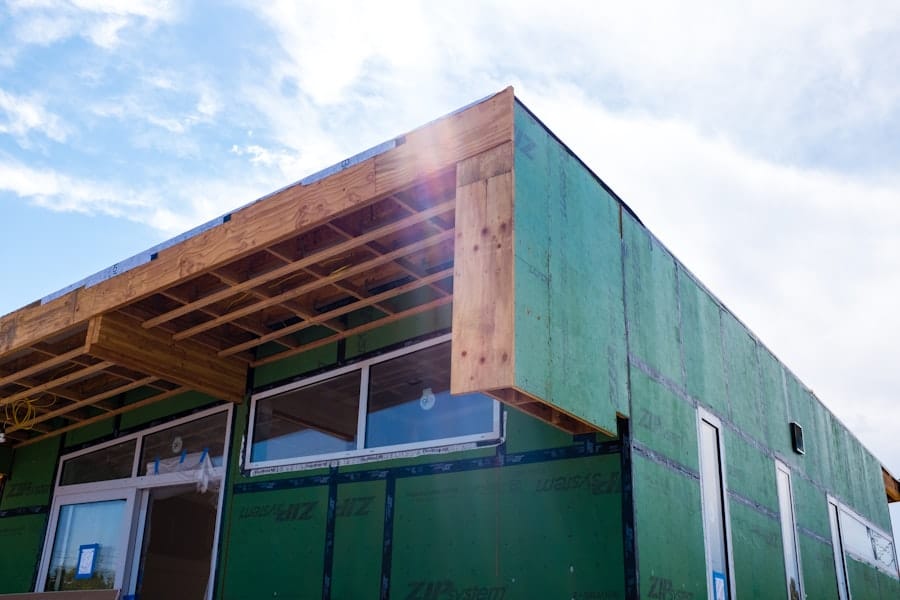
Once construction begins, your role as the homeowner shifts from selection to active engagement and oversight. Your involvement is crucial in ensuring the project stays on track and meets your expectations.
Regular Site Visits and Communication
Consistent communication and physical presence at the construction site are vital.
Scheduled Meetings and Site Tours
Establish a routine for site visits and meetings with your contractor. This allows you to observe progress firsthand, ask questions, and address any emerging concerns promptly.
Documenting Progress Visually
Take photographs or videos of the construction process at various stages. This documentation can be invaluable for tracking progress, identifying potential issues, and serving as a record for warranty purposes.
Addressing Concerns Promptly
Don’t hesitate to voice any concerns or questions as they arise. Early detection and resolution of issues can prevent them from becoming larger, more costly problems down the line.
Understanding Project Milestones and Inspections
Familiarize yourself with the key project milestones and the importance of inspections.
Approving Work at Each Stage
Before making progress payments, ensure that the work completed at each stage meets your satisfaction and conforms to the contract.
Municipal Building Inspections
Licensed contractors are obligated to arrange for municipal building inspections at various critical points in the construction process. These inspections are conducted by city officials to ensure compliance with building codes and safety standards. Be aware of when these inspections are scheduled and consider attending them to gain further insight.
Final Walkthrough and Punch List
The culmination of the construction phase is the final walkthrough. This is your opportunity to meticulously inspect the completed work before making the final payment.
Identifying Deficiencies and Creating a Punch List
During the walkthrough, work with your contractor to create a “punch list” of any minor deficiencies, incomplete items, or cosmetic issues that need to be addressed before the project is deemed complete.
Ensuring All Items are Resolved
Ensure that all items on the punch list are satisfactorily resolved by the contractor before issuing the final payment.
If you’re considering hiring a licensed home construction contractor in McKinney, TX, it’s essential to understand the various aspects of home construction and renovation. A related article that provides valuable insights into the home contracting process can be found here: Better Home Contractor in Abilene, Texas. This resource offers tips and guidance that can help you make informed decisions when selecting a contractor for your project.
Post-Construction: Warranties and Long-Term Satisfaction
| Metric | Details |
|---|---|
| License Type | Residential Home Construction |
| License Number | TX-1234567 |
| License Status | Active |
| License Issued Date | March 15, 2018 |
| License Expiration Date | March 14, 2024 |
| Bond Amount | 50,000 |
| Insurance Coverage | General Liability – 1,000,000 |
| Years of Experience | 10+ |
| Number of Projects Completed | 150+ |
| Customer Satisfaction Rating | 4.7 / 5 |
| Service Area | Mckinney, TX and surrounding areas |
The completion of construction marks the beginning of your home’s life, and the contractor’s responsibility doesn’t necessarily end there.
Understanding Contractor Warranties and Guarantees
Your contract should clearly outline the warranties provided by your licensed contractor.
Labor and Material Warranties
Inquire about the duration and coverage of warranties on both the labor performed and the materials used. These warranties provide recourse if defects appear after completion.
Manufacturer Warranties
Many materials used in home construction come with their own manufacturer warranties. Ensure you receive documentation for these, as they often cover specific product failures.
The Importance of a Final Walkthrough and Documentation
The final walkthrough is not just about identifying punch list items; it’s about a comprehensive handover.
Receiving All Relevant Documentation
Ensure you receive copies of all warranties, inspection reports, and any other relevant documentation pertaining to the construction of your home.
Maintaining Records for Future Reference
Keep all project-related documentation in a safe place. This will be invaluable for future maintenance, repairs, or when you eventually decide to sell your home.
Choosing a licensed home construction contractor in McKinney, TX is a pivotal decision that requires diligence and a clear understanding of the process. By focusing on licensing, thorough vetting, clear contractual agreements, and active engagement during construction, you are building a strong foundation for a successful project and a home that will bring you satisfaction for years to come. This investment in due diligence will pay dividends in the form of quality, safety, and peace of mind.
FAQs
What does it mean to be a licensed home construction contractor in McKinney, TX?
A licensed home construction contractor in McKinney, TX, is a professional who has met the state and local requirements to legally perform residential construction work. This includes obtaining the necessary licenses, passing exams, and adhering to building codes and regulations.
Why is it important to hire a licensed home construction contractor in McKinney?
Hiring a licensed contractor ensures that the builder is qualified, knowledgeable about local building codes, and accountable to regulatory authorities. It also provides protection for homeowners through insurance and bonding, reducing the risk of substandard work or legal issues.
How can I verify if a home construction contractor is licensed in McKinney, TX?
You can verify a contractor’s license status by checking with the Texas Department of Licensing and Regulation (TDLR) or the McKinney city government’s building department. These agencies maintain up-to-date records of licensed contractors.
What types of projects can a licensed home construction contractor in McKinney handle?
Licensed home construction contractors in McKinney can manage a variety of residential projects, including new home construction, remodeling, additions, repairs, and renovations, ensuring compliance with local building codes and safety standards.
Are licensed home construction contractors in McKinney required to have insurance?
Yes, licensed contractors in McKinney are typically required to carry liability insurance and workers’ compensation coverage. This protects both the contractor and the homeowner from financial liability in case of accidents, injuries, or property damage during the construction process.