Home contracting is a multifaceted field that encompasses a wide range of activities, from the initial design phase to the final touches that make a house a home. As a homeowner or potential client, understanding the intricacies of home contracting can empower you to make informed decisions throughout your renovation or construction journey. Whether you are looking to build a new home from the ground up or renovate an existing space, the role of a contractor is pivotal in ensuring that your vision becomes a reality.
In essence, home contracting involves coordinating various elements of construction, including design, budgeting, scheduling, and compliance with local regulations. It requires not only technical skills but also strong communication and project management abilities. As you embark on your home contracting journey, it’s essential to grasp the various stages involved and how each contributes to the overall success of your project.
This understanding will help you navigate the complexities of home construction and renovation with confidence.
Key Takeaways
- Home contracting involves various stages such as initial client consultation, obtaining permits, sourcing materials, overseeing construction, managing subcontractors, and final inspections.
- The initial client consultation is crucial for understanding the client’s needs and expectations, and project planning helps in setting clear goals and timelines.
- Obtaining permits and approvals from local authorities is essential to ensure that the project complies with building codes and regulations.
- Sourcing and managing materials require careful planning and coordination to ensure timely delivery and quality control.
- Overseeing construction and renovation, managing subcontractors and workers, and maintaining communication with clients and stakeholders are key to the successful completion of a home contracting project.
Initial Client Consultation and Project Planning
The initial client consultation is a critical first step in the home contracting process. During this meeting, you will have the opportunity to discuss your ideas, preferences, and budget with your contractor. This is your chance to articulate your vision for the project, whether it involves a complete overhaul of your living space or specific renovations to enhance functionality and aesthetics.
A good contractor will listen attentively, ask probing questions, and provide insights based on their experience to help refine your ideas. Once the consultation is complete, project planning begins in earnest. This phase involves creating a detailed plan that outlines the scope of work, timelines, and budget estimates.
You will work closely with your contractor to establish realistic goals and milestones for the project. This collaborative approach ensures that both you and your contractor are on the same page regarding expectations and deliverables. A well-thought-out project plan serves as a roadmap for the entire construction process, helping to minimize misunderstandings and keep the project on track.
Obtaining Permits and Approvals
Navigating the world of permits and approvals can be one of the more daunting aspects of home contracting. Depending on the nature of your project, you may need various permits from local authorities before any work can commence. Your contractor will typically take the lead in this area, leveraging their knowledge of local regulations to ensure compliance.
This not only saves you time but also helps avoid potential legal issues down the line. The process of obtaining permits often involves submitting detailed plans and specifications to local building departments for review. You may also need to schedule inspections at various stages of construction to ensure that all work meets safety and quality standards.
While this may seem like a tedious process, it is essential for protecting your investment and ensuring that your home is safe and up to code. Your contractor will guide you through these requirements, making sure that all necessary approvals are secured before moving forward with construction.
Sourcing and Managing Materials
Once permits are in place, the next step is sourcing and managing materials for your project. This phase is crucial because the quality of materials directly impacts the durability and aesthetics of your home. Your contractor will typically have established relationships with suppliers, allowing them to procure high-quality materials at competitive prices.
As a client, you should be involved in selecting materials that align with your vision while also considering factors such as durability, maintenance, and cost. Managing materials effectively is equally important. Your contractor will oversee inventory levels, ensuring that materials are delivered on time and stored properly to prevent damage.
This proactive approach helps avoid delays in construction due to material shortages or mishaps. Additionally, regular communication between you and your contractor regarding material choices can help ensure that your vision remains intact throughout the process.
Overseeing Construction and Renovation
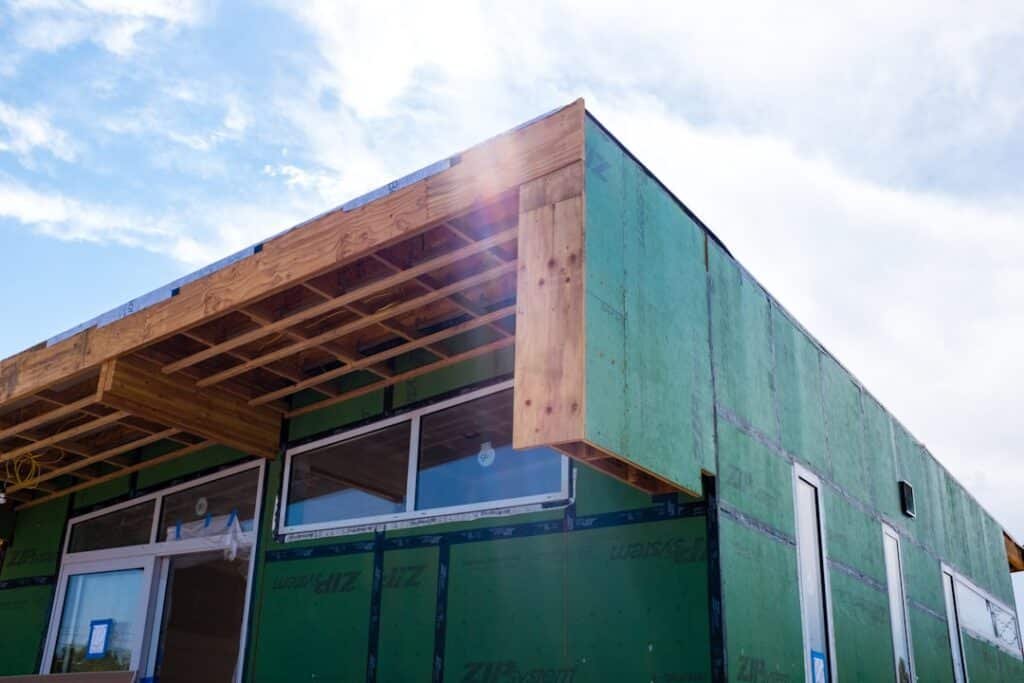
With materials secured, construction can begin in earnest. This phase is where your vision starts to take shape as walls go up, spaces are reconfigured, and finishes are applied. Your contractor will oversee all aspects of construction, ensuring that work is completed according to the established timeline and quality standards.
Regular site visits will allow you to monitor progress and address any concerns that may arise. During this phase, it’s essential to maintain open lines of communication with your contractor. You may have questions about specific design choices or want updates on timelines.
A good contractor will keep you informed about progress and any challenges encountered along the way. This collaborative approach fosters a sense of partnership between you and your contractor, ultimately leading to a more successful outcome.
Managing Subcontractors and Workers
In many cases, home contracting involves working with subcontractors who specialize in specific trades such as plumbing, electrical work, or carpentry. Your contractor will be responsible for managing these subcontractors, ensuring that they adhere to project timelines and quality standards. This management role is crucial because it helps maintain consistency across different aspects of the project.
As a client, it’s beneficial to understand the roles of various subcontractors involved in your project. Each trade brings its own expertise and challenges, so having a knowledgeable contractor who can coordinate their efforts is invaluable. Regular meetings and updates from your contractor will keep you informed about who is working on-site and what tasks are being completed at any given time.
Communication with Clients and Stakeholders
Effective communication is at the heart of successful home contracting. Throughout the project, your contractor should prioritize keeping you informed about progress, challenges, and any changes that may arise. Regular updates can take various forms—whether through scheduled meetings, phone calls, or emails—ensuring that you remain engaged in the process.
Additionally, communication extends beyond just you as the client; it also involves other stakeholders such as architects, designers, or even neighbors who may be affected by construction activities. Your contractor should facilitate this communication by providing updates to all relevant parties and addressing any concerns promptly. This proactive approach helps build trust and fosters a positive working relationship among everyone involved in the project.
Final Inspections and Project Completion
As construction nears completion, final inspections become necessary to ensure that everything meets local building codes and safety standards. Your contractor will coordinate these inspections with local authorities, addressing any issues that may arise during this process. It’s essential for you to be present during these inspections so that you can understand any final adjustments needed before officially closing out the project.
Once all inspections are passed and any necessary corrections made, it’s time for project completion. This phase often includes final walkthroughs where you can assess the work done and ensure it aligns with your original vision. Your contractor should provide you with documentation related to warranties for materials used and any maintenance guidelines for keeping your new space in top condition.
In conclusion, understanding the various stages of home contracting—from initial consultations to final inspections—can significantly enhance your experience as a homeowner embarking on a construction or renovation project. By actively engaging with your contractor throughout each phase, you can ensure that your vision is realized while navigating potential challenges with confidence. With careful planning, effective communication, and diligent oversight, your dream home can become a reality.
If you are interested in learning more about historical renovations and restorations, check out this insightful article on Learning from Historical Renovations and Restorations. This article provides valuable information on how home contractors can draw inspiration from the past to create beautiful and functional living spaces. It is a great resource for anyone looking to enhance their knowledge and skills in the field of home contracting.
FAQs
What does a home contractor do on a day-to-day basis?
A home contractor is responsible for overseeing and managing construction or renovation projects. Their day-to-day tasks may include meeting with clients, creating project plans, obtaining necessary permits, hiring and supervising subcontractors, and ensuring that the project stays on schedule and within budget.
How does a home contractor communicate with clients on a daily basis?
Home contractors communicate with clients through various means such as in-person meetings, phone calls, emails, and text messages. They provide updates on the project’s progress, discuss any changes or issues that may arise, and address any concerns or questions the clients may have.
What are the administrative tasks of a home contractor?
Administrative tasks of a home contractor may include preparing and submitting project proposals, obtaining permits and licenses, creating and managing project budgets, scheduling inspections, and maintaining project documentation.
How does a home contractor manage subcontractors and workers on a daily basis?
Home contractors are responsible for hiring and supervising subcontractors and workers. They assign tasks, ensure that work is being completed according to specifications and timelines, and address any issues or conflicts that may arise on the job site.
What are the financial responsibilities of a home contractor?
Home contractors are responsible for managing project budgets, tracking expenses, and ensuring that the project stays within the agreed-upon budget. They may also be responsible for invoicing clients, processing payments to subcontractors and suppliers, and managing any financial documentation related to the project.