How Long Does It Take to Build a House from Start to Finish?
The planning and design phase is where your vision begins to take shape. This initial stage is crucial, as it sets the foundation for the entire construction process. You start by defining your goals and objectives, considering factors such as budget, timeline, and the overall purpose of the building.
Whether you are constructing a new home, a commercial space, or an addition to an existing structure, having a clear understanding of your needs will guide your decisions moving forward. You may want to create a list of must-haves and nice-to-haves, which will help you prioritize features and amenities. Once you have a solid grasp of your requirements, it’s time to engage with architects or designers who can translate your ideas into tangible plans.
Collaborating with professionals allows you to explore various design options, materials, and layouts. You might find it helpful to gather inspiration from magazines, websites, or even existing buildings that resonate with your vision. During this phase, you will also want to consider the environmental impact of your design choices, as sustainable practices are increasingly important in modern construction.
By carefully planning and designing your project, you set the stage for a successful build that aligns with your aspirations.
Key Takeaways
- Careful planning and design are crucial for a successful construction project
- Obtaining permits and approvals is a necessary step to ensure compliance with regulations
- Site preparation and foundation work set the stage for the rest of the construction process
- Framing and structural work provide the building’s framework and support
- Installation of plumbing, electrical, and HVAC systems is essential for functionality and comfort
- Interior and exterior finishes give the building its final look and feel
- Final inspections and quality checks ensure the building meets safety and quality standards
- Move-in and post-construction maintenance mark the end of the construction process and the beginning of the building’s life cycle
Obtaining Permits and Approvals
Researching Required Permits
You will need to research the specific permits required for your type of construction, which may include zoning permits, building permits, and environmental assessments. Engaging with local authorities early in the process can help clarify what is needed and streamline the approval timeline.
Preparing Permit Applications
As you prepare your permit applications, be ready to provide detailed documentation, including architectural plans, engineering reports, and any other relevant information. This is where having a well-prepared design can pay off, as clear and comprehensive submissions are more likely to be approved without delays.
Public Hearings and Meetings
You may also need to attend public hearings or meetings if your project requires community input or if it impacts neighboring properties. Patience is key during this phase; while it may feel like a bureaucratic hurdle, obtaining the necessary permits ensures that your project adheres to safety standards and legal requirements.
Site Preparation and Foundation

With permits in hand, you can move on to site preparation and foundation work. This phase involves clearing the land, grading the site, and ensuring that it is ready for construction. You may need to remove trees, rocks, or existing structures that could impede progress.
It’s essential to conduct soil tests during this stage to determine the type of foundation that will be most suitable for your building. The soil’s composition can significantly influence the stability and longevity of your structure. Once the site is prepared, you will begin laying the foundation.
This step is critical, as it supports the entire building and must be executed with precision. Depending on your design and local conditions, you might choose between a slab foundation, crawl space, or basement. Each option has its advantages and considerations.
For instance, a slab foundation is often quicker to install but may not provide as much insulation as a basement. As the foundation takes shape, you will want to ensure that all measurements are accurate and that the work adheres to local building codes. A solid foundation is the bedrock of a successful construction project.
Framing and Structural Work
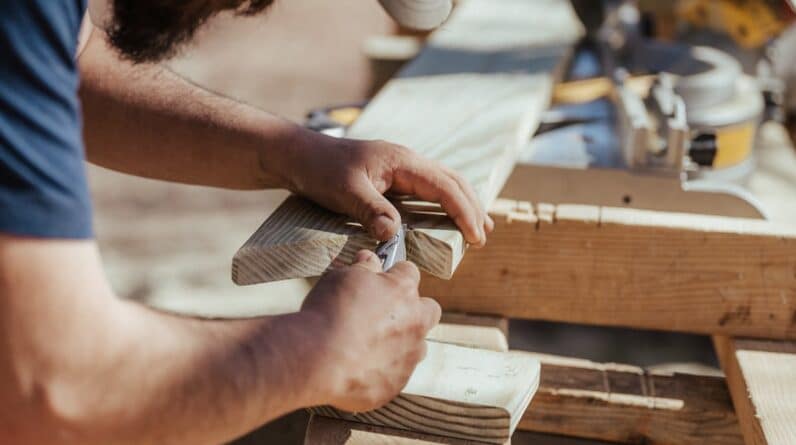
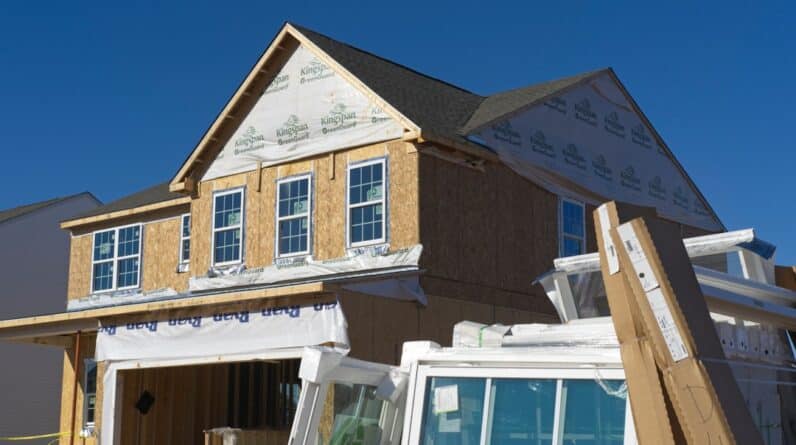
Once the foundation is complete, it’s time to move on to framing and structural work. This phase involves erecting the skeleton of your building, which includes walls, floors, and roofs. Framing is a critical step that defines the layout of your space and provides structural integrity.
You will likely work with skilled carpenters who will use wood or steel framing materials based on your design specifications and budget. During this stage, you will see your vision start to come alive as walls go up and rooms take shape. It’s an exciting time when you can begin to visualize how each space will function.
You may want to take this opportunity to make any necessary adjustments or modifications based on how the framing looks in reality compared to your original plans. Additionally, it’s essential to ensure that all framing adheres to safety standards and building codes. Properly executed framing not only supports the structure but also contributes to energy efficiency and overall comfort in your new space.
Installation of Plumbing, Electrical, and HVAC Systems
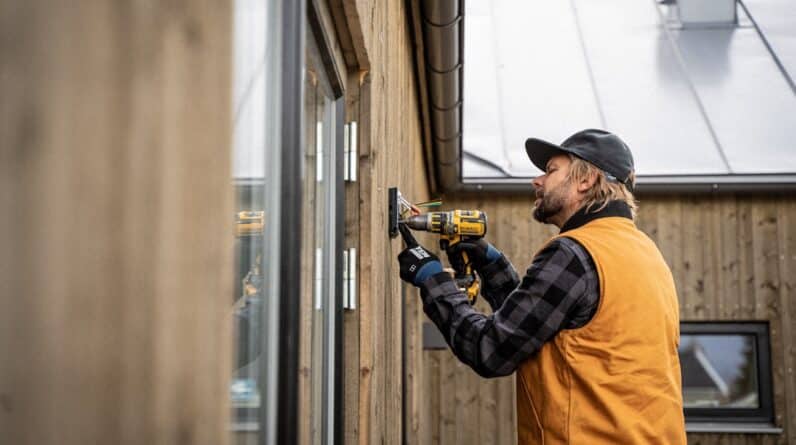
With the framing in place, you can now focus on installing essential systems such as plumbing, electrical wiring, and HVAC (heating, ventilation, and air conditioning). This phase is crucial for ensuring that your building functions effectively and comfortably. You will need to hire licensed professionals for each of these systems to guarantee compliance with safety regulations and local codes.
The plumbing installation involves laying pipes for water supply and drainage systems throughout the building. You’ll want to consider the layout carefully to ensure efficient water flow and accessibility for maintenance in the future. Similarly, electrical work requires careful planning; you’ll need to decide on outlets, lighting fixtures, and any specialized systems like home automation or security features.
The HVAC system installation is equally important for maintaining a comfortable indoor environment year-round. Properly designed ductwork and equipment placement can significantly impact energy efficiency and air quality in your new space.
Interior and Exterior Finishes

Personalizing Your Space
This phase allows you to personalize your space with choices in materials, colors, textures, and styles. For interior finishes, you might select flooring options such as hardwood, tile, or carpet; wall treatments like paint or wallpaper; and fixtures such as cabinets and countertops.
Exterior Finishes and Curb Appeal
Exterior finishes are equally important as they create curb appeal and protect your structure from the elements. You may choose siding materials like brick, stucco, or vinyl; roofing options that complement your design; and landscaping elements that enhance the outdoor environment.
Maintaining a Cohesive Design Theme
During this phase, it’s essential to maintain a cohesive design theme throughout both interior and exterior spaces. Collaborating with designers or contractors can help ensure that your selections align with your overall vision while also considering durability and maintenance requirements.
Final Inspections and Quality Checks
As construction nears completion, final inspections and quality checks become paramount. This phase ensures that everything has been built according to plan and adheres to local building codes and safety regulations. You will likely schedule inspections with local authorities who will assess various aspects of the construction process—from structural integrity to electrical safety.
During these inspections, be prepared for potential adjustments or corrections that may be required before final approval is granted. It’s essential to address any issues promptly to avoid delays in moving forward with occupancy permits. Quality checks should also be conducted by you or a designated representative to ensure that all finishes meet your expectations in terms of craftsmanship and aesthetics.
This thorough review process helps guarantee that you are satisfied with every detail before officially moving into your new space.
Move-In and Post-Construction Maintenance
Finally, after all inspections are completed and approvals are secured, it’s time for you to move in! This moment marks the culmination of months—if not years—of planning, designing, and constructing your new space. As you unpack boxes and arrange furniture, take a moment to appreciate all the hard work that has gone into creating this environment tailored just for you.
However, moving in is just the beginning of a new chapter; post-construction maintenance is vital for preserving the integrity of your building over time. You’ll want to establish a routine for regular inspections of key systems such as plumbing, electrical wiring, and HVAC units to ensure they continue functioning efficiently. Additionally, keeping up with exterior maintenance—like cleaning gutters or checking for signs of wear—will help protect your investment in the long run.
By staying proactive about maintenance tasks, you can enjoy your new space worry-free for many years ahead.
If you are interested in learning more about the process of building a house, you may want to check out this article on Better Home Contractor in El Paso, Texas. This article provides valuable insights into the construction timeline and factors that can affect the duration of a home building project. It offers tips and advice on how to streamline the building process and ensure that your project stays on track.
FAQs
What is the average time it takes to build a house from start to finish?
The average time it takes to build a house from start to finish is around 7-12 months. However, this can vary depending on factors such as the size and complexity of the house, the weather, and the availability of materials and labor.
What are the different stages involved in building a house?
The different stages involved in building a house include obtaining permits and approvals, site preparation, foundation construction, framing, roofing, exterior finishing, interior work, and final inspections.
What factors can affect the timeline for building a house?
Factors that can affect the timeline for building a house include the size and complexity of the house, the availability of materials and labor, the weather, changes in design or scope of work, and any unforeseen issues or delays that may arise during the construction process.
How can I expedite the process of building a house?
To expedite the process of building a house, you can work with an experienced and efficient construction team, have a clear and detailed plan in place before starting construction, and ensure that all necessary permits and approvals are obtained in a timely manner. Additionally, staying on top of any potential issues or delays and being proactive in addressing them can help keep the project on track.