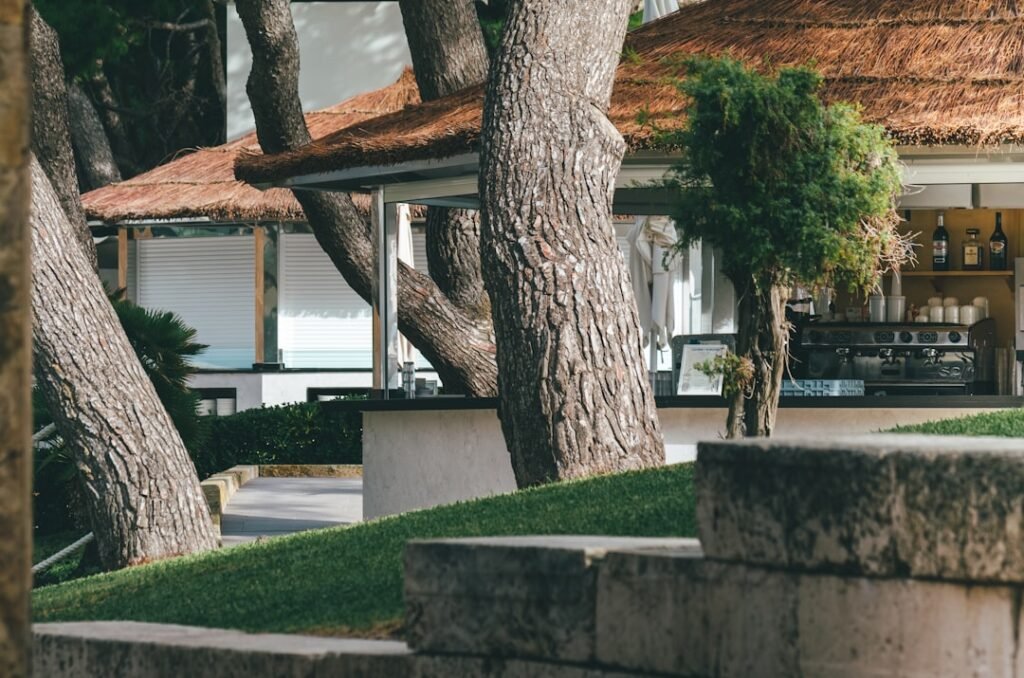
When you embark on the journey of creating an outdoor kitchen, the first step is to engage in thorough planning and design. You need to envision how you want the space to function and what activities you plan to enjoy there. Consider the layout carefully; will it be a simple grill station, or do you envision a full-fledged kitchen with a pizza oven, sink, and refrigerator?
Think about how you will use the space. Will it be primarily for family gatherings, or do you plan to entertain guests frequently? Understanding your needs will help you create a functional design that enhances your outdoor living experience.
As you sketch out your ideas, take into account the flow of movement within the space. You want to ensure that there is enough room for people to move around comfortably while cooking and dining. Consider the proximity of your outdoor kitchen to your indoor kitchen; this can make transporting food and supplies much easier.
Additionally, think about the orientation of your kitchen in relation to the sun and wind. Positioning your kitchen to take advantage of natural light while providing some shelter from the elements can significantly enhance your outdoor cooking experience.
Key Takeaways
- Plan and design your outdoor kitchen with functionality and flow in mind, considering the layout and placement of appliances and work areas.
- Choose appliances and equipment that are specifically designed for outdoor use, such as stainless steel grills and weather-resistant refrigerators.
- Select durable and weather-resistant materials for countertops, cabinets, and flooring to withstand outdoor elements and ensure longevity.
- Create a comfortable and inviting dining area with ample seating, shade options, and a focal point such as a fireplace or fire pit.
- Incorporate ample storage and counter space to keep your outdoor kitchen organized and efficient for food preparation and entertaining.
- Add stylish and functional lighting to enhance the ambiance and functionality of your outdoor kitchen, including task lighting for cooking and dining areas.
- Incorporate greenery and natural elements such as potted plants, herbs, and outdoor-friendly decor to create a welcoming and organic atmosphere.
- Maintain and care for your outdoor kitchen by regularly cleaning and covering appliances, sealing surfaces, and protecting furniture and accessories from the elements.
Choosing the Right Appliances and Equipment
Once you have a solid plan in place, it’s time to select the appliances and equipment that will bring your outdoor kitchen to life. The choices you make here will greatly influence both the functionality and enjoyment of your space. Start by considering what types of cooking you enjoy most.
If grilling is your passion, investing in a high-quality grill is essential. Look for models that offer versatility, such as those with multiple burners or built-in smokers. If you love baking, a pizza oven could be a fantastic addition that allows you to create delicious meals outdoors.
In addition to grills and ovens, think about other appliances that can enhance your outdoor cooking experience. A refrigerator can keep your ingredients fresh and drinks cold, while a sink can make food prep and cleanup much more convenient. You might also want to consider a side burner for sauces or a warming drawer for keeping dishes hot until serving.
By carefully selecting appliances that align with your cooking style, you can create an outdoor kitchen that feels like an extension of your indoor culinary space.
Selecting Durable and Weather-Resistant Materials
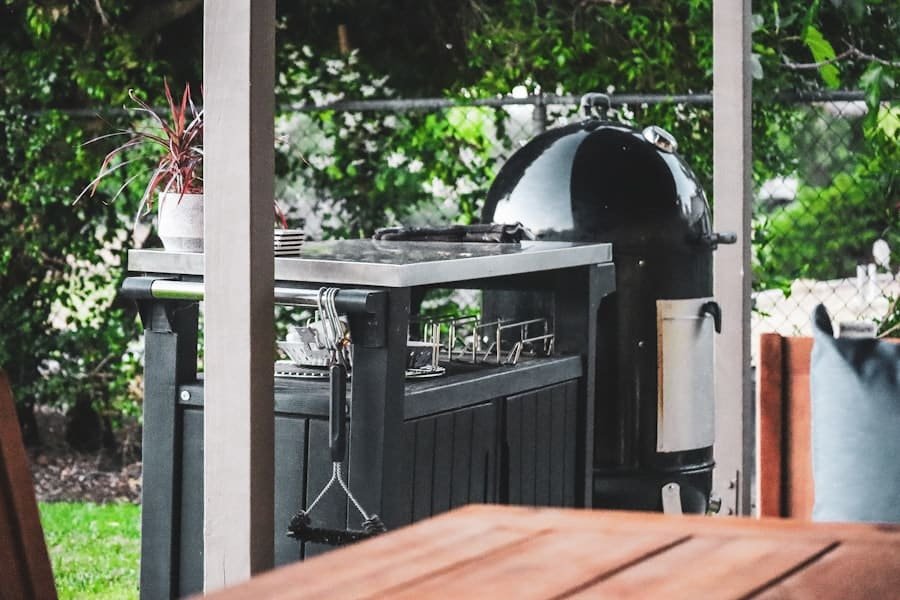
The materials you choose for your outdoor kitchen are crucial for ensuring its longevity and functionality. Since this space will be exposed to the elements, it’s important to select materials that can withstand varying weather conditions without deteriorating. Stainless steel is a popular choice for appliances and cabinetry due to its resistance to rust and corrosion.
It not only looks sleek but also offers durability that can last for years with minimal maintenance. In addition to stainless steel, consider using stone or brick for countertops and surfaces. These materials are not only aesthetically pleasing but also incredibly durable.
They can handle heat from cooking appliances and are resistant to scratches and stains. When selecting materials, think about how they will complement your home’s overall design while also providing practicality. By investing in high-quality, weather-resistant materials, you can ensure that your outdoor kitchen remains beautiful and functional for many seasons to come.
Creating a Comfortable and Inviting Dining Area
An outdoor kitchen is not just about cooking; it’s also about creating a space where friends and family can gather and enjoy meals together. To achieve this, focus on designing a comfortable and inviting dining area. Start by selecting furniture that is both stylish and functional.
Look for weather-resistant materials such as teak or aluminum that can withstand outdoor conditions while providing comfort for your guests. Consider the layout of your dining area as well. A large table can accommodate family gatherings, while smaller bistro sets may be perfect for intimate dinners.
Don’t forget about seating options; incorporating a mix of chairs, benches, or even lounge seating can create a relaxed atmosphere. Adding cushions or throws can enhance comfort while also allowing you to introduce color and texture into the space. By thoughtfully designing your dining area, you’ll create an inviting atmosphere that encourages people to linger over meals and enjoy each other’s company.
Incorporating Ample Storage and Counter Space
One of the key elements of a functional outdoor kitchen is ample storage and counter space. You want to ensure that everything you need is easily accessible while cooking outdoors. Start by incorporating cabinets or shelves where you can store utensils, cookware, and other essentials.
Consider using weatherproof materials for these storage solutions to protect your items from moisture and pests. Counter space is equally important; it provides a surface for food prep, serving, and even dining. If space allows, consider adding an island or bar area where guests can sit while you cook.
This not only increases your counter space but also creates an interactive environment where everyone can participate in the cooking process. By prioritizing storage and counter space in your design, you’ll create an efficient outdoor kitchen that meets all your culinary needs.
Adding Stylish and Functional Lighting
Functionality and Aesthetics
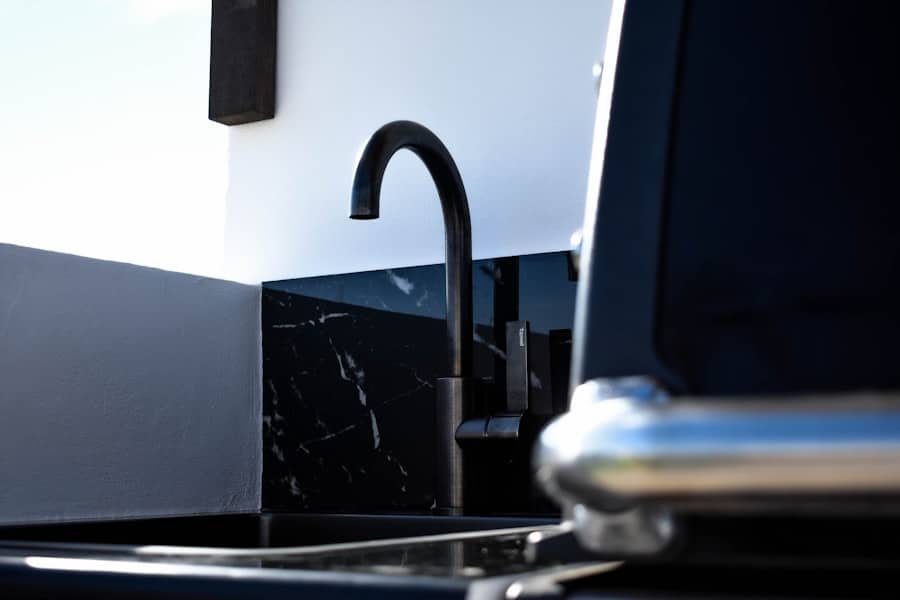
When planning your lighting scheme, it’s essential to consider both functionality and aesthetics. Bright task lighting is necessary over cooking areas to provide visibility while preparing meals, while softer ambient lighting can create a warm atmosphere for dining.
Variety of Lighting Fixtures
Incorporating various types of lighting fixtures can help achieve the desired effect. Pendant lights above an island or bar area can add style while providing focused illumination. String lights or lanterns can create a cozy atmosphere around dining spaces, making them perfect for evening meals under the stars.
Adjustable Lighting Options
Installing dimmers or adjustable lighting options allows you to easily change the mood as needed. By thoughtfully integrating lighting into your outdoor kitchen design, you’ll enhance both its functionality and overall appeal.
Incorporating Greenery and Natural Elements
To truly elevate your outdoor kitchen experience, consider incorporating greenery and natural elements into your design. Plants not only add beauty but also create a sense of tranquility in your space. You might choose to include potted herbs that are easily accessible for cooking or larger plants that provide privacy and shade.
Vertical gardens or trellises with climbing plants can also add visual interest while maximizing space. In addition to plants, think about how natural materials can enhance your outdoor kitchen’s aesthetic. Incorporating wood accents or stone features can create a harmonious connection with nature, making your kitchen feel like an integral part of the landscape.
You might even consider adding water features like fountains or small ponds to introduce soothing sounds that enhance relaxation during meals. By blending greenery and natural elements into your design, you’ll create an inviting atmosphere that encourages enjoyment of the outdoors.
Maintaining and Caring for Your Outdoor Kitchen
Finally, maintaining and caring for your outdoor kitchen is essential for ensuring its longevity and functionality over time. Regular cleaning is crucial; make it a habit to wipe down surfaces after each use to prevent buildup from food particles or grease. For appliances like grills, follow manufacturer guidelines for cleaning to keep them in optimal condition.
Seasonal maintenance is also important; before winter arrives, consider covering appliances or storing them indoors if possible to protect them from harsh weather conditions. Inspecting seals on cabinets and countertops can help prevent moisture damage as well. By establishing a routine for maintenance and care, you’ll ensure that your outdoor kitchen remains a beautiful and functional space for years to come.
In conclusion, creating an outdoor kitchen involves careful planning and consideration of various elements that contribute to its functionality and aesthetic appeal. From selecting durable materials to incorporating comfortable dining areas and effective lighting, each decision plays a vital role in crafting a space where you can enjoy cooking and entertaining outdoors. With thoughtful design and regular maintenance, your outdoor kitchen can become a cherished gathering place for family and friends alike.
If you are looking to enhance the ambiance and functionality of your outdoor kitchen, you may want to consider incorporating some outdoor lighting. A recent article on