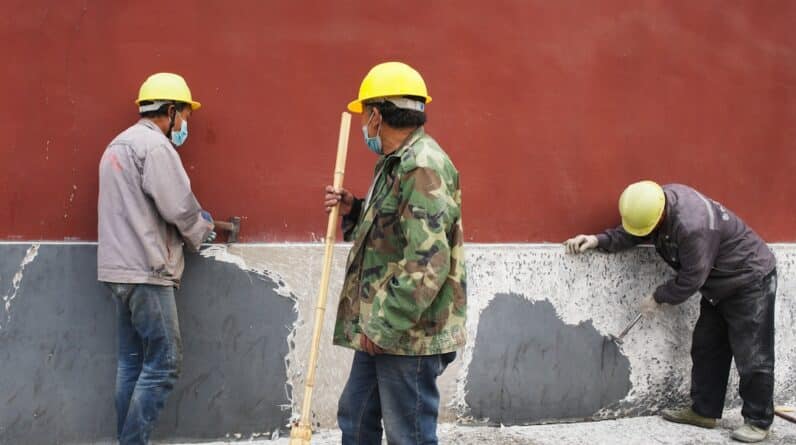
The Hidden Dance of Earth and Construction: Site Clearing Unveiled
When embarking on a construction project, the first step you must consider is site clearing. This process is not merely a preliminary task; it is a critical foundation for the success of any construction endeavor. Site clearing involves the removal of vegetation, debris, and any existing structures to prepare the land for new development.
By ensuring that the site is free from obstacles, you create a clean slate that allows for accurate planning and execution of construction activities. Without proper site clearing, you risk encountering unforeseen challenges that could delay your project and inflate costs. Moreover, site clearing plays a vital role in ensuring safety on the construction site.
A cluttered or overgrown area can pose significant hazards to workers and equipment. By removing potential dangers such as fallen trees, rocks, or old foundations, you create a safer working environment. This proactive approach not only protects your workforce but also minimizes the risk of accidents that could lead to costly delays or legal issues.
In essence, effective site clearing sets the stage for a smooth construction process, allowing you to focus on building rather than troubleshooting problems that arise from an improperly prepared site.
Key Takeaways
- Proper site clearing is crucial for ensuring a safe and efficient construction process
- Site clearing can have significant environmental impacts, including habitat destruction and soil erosion
- The process of site clearing involves careful planning, assessment of environmental impact, and execution using specialized equipment
- Technology plays a key role in site clearing, with advancements in equipment and software improving efficiency and reducing environmental impact
- Adhering to site clearing regulations and best practices is essential for minimizing environmental impact and ensuring safety
The Environmental Impact of Site Clearing
As you delve into the process of site clearing, it is essential to consider its environmental implications. The removal of vegetation and soil can lead to significant ecological disruption. Trees and plants play a crucial role in maintaining local ecosystems, providing habitats for wildlife and contributing to air quality.
When you clear a site without careful planning, you may inadvertently harm local flora and fauna, leading to biodiversity loss. This impact can extend beyond the immediate area, affecting surrounding ecosystems and water sources. To mitigate these environmental concerns, it is crucial to adopt sustainable practices during site clearing.
You can implement strategies such as selective clearing, which involves removing only the necessary vegetation while preserving as much natural habitat as possible. Additionally, incorporating erosion control measures can help protect soil integrity and prevent sediment runoff into nearby waterways. By being mindful of the environmental impact of your actions, you not only fulfill your responsibility as a builder but also contribute to the preservation of the natural landscape for future generations.
The Process of Site Clearing: From Planning to Execution

The journey of site clearing begins long before any machinery hits the ground. It starts with meticulous planning, where you assess the site’s topography, existing structures, and vegetation. This initial phase is crucial as it allows you to identify potential challenges and develop a comprehensive strategy for clearing the site efficiently.
You may need to conduct surveys or engage with environmental specialists to ensure that your plans align with local regulations and environmental considerations. Once planning is complete, you move into the execution phase, where the actual clearing takes place. This stage involves various activities, including tree removal, grading, and debris disposal.
You will likely employ heavy machinery such as bulldozers and excavators to facilitate these tasks. It is essential to coordinate these efforts carefully to minimize disruption and ensure that the site is cleared in an organized manner. Throughout this process, maintaining clear communication with your team and stakeholders is vital to address any issues that may arise promptly.
The Role of Technology in Site Clearing
In recent years, technology has revolutionized many aspects of construction, including site clearing. You now have access to advanced tools and equipment that enhance efficiency and precision during the clearing process. For instance, drones can be utilized for aerial surveys, providing you with detailed insights into the topography and vegetation of the site before any physical work begins.
This data allows for better planning and decision-making, ultimately leading to a more streamlined clearing process. Additionally, innovations such as GPS-guided machinery enable operators to perform site clearing tasks with remarkable accuracy. This technology reduces the likelihood of errors and minimizes waste by ensuring that only necessary areas are cleared.
Furthermore, software solutions can assist in project management by tracking progress and coordinating resources effectively. By embracing these technological advancements, you can enhance productivity while also reducing the environmental footprint associated with traditional site clearing methods.
Site Clearing Regulations and Best Practices
Navigating the regulatory landscape surrounding site clearing is an essential aspect of your project management responsibilities. Various local, state, and federal regulations govern land use and environmental protection, which means you must familiarize yourself with these laws before commencing any clearing activities. Failure to comply with these regulations can result in fines or project delays, making it imperative that you conduct thorough research and obtain necessary permits.
In addition to understanding regulations, adopting best practices during site clearing can significantly enhance your project’s success. For example, conducting an environmental impact assessment before beginning work can help identify potential issues early on. Implementing erosion control measures and establishing buffer zones around sensitive areas are also recommended practices that demonstrate your commitment to environmental stewardship.
By adhering to these guidelines, you not only ensure compliance but also foster positive relationships with local communities and regulatory bodies.
Challenges and Solutions in Site Clearing

Unforeseen Obstacles
Despite careful planning and execution, challenges often arise during the site clearing process. One common issue is dealing with unexpected underground utilities or hazardous materials that may be present on the site. These obstacles can halt progress and require specialized handling to ensure safety and compliance with regulations.
Mitigating Risks through Pre-Construction Surveys
To mitigate this risk, conducting thorough pre-construction surveys is essential. Engaging professionals who specialize in utility mapping can help identify potential hazards before they become problematic.
Effective Waste Management
Another challenge you may face is managing waste generated during site clearing. The removal of trees, debris, and other materials can lead to significant amounts of waste that require proper disposal or recycling. Implementing a waste management plan can help streamline this process by outlining how different materials will be handled. For instance, you might consider partnering with local recycling facilities to repurpose wood or other materials rather than sending them to a landfill.
By proactively addressing these challenges, you can maintain momentum on your project while minimizing environmental impact.
The Benefits of Proper Site Clearing for Construction Projects
Investing time and resources into proper site clearing yields numerous benefits for your construction project. First and foremost, a well-cleared site enhances safety for workers and equipment alike. By eliminating hazards such as overgrown vegetation or unstable ground conditions, you create a safer environment that reduces the risk of accidents or injuries on-site.
Additionally, proper site clearing contributes to improved project timelines and cost efficiency. When the land is adequately prepared, construction activities can proceed without unnecessary delays caused by unforeseen obstacles. This efficiency not only saves time but also helps keep your project within budget by minimizing unexpected expenses related to rework or additional labor costs.
Ultimately, prioritizing proper site clearing sets a positive tone for the entire construction process.
The Future of Site Clearing: Sustainability and Innovation
As the construction industry continues to evolve, so too does the approach to site clearing. The future lies in embracing sustainability and innovation as core principles guiding this essential process. You may find that more companies are adopting eco-friendly practices that prioritize minimizing environmental impact while maximizing efficiency.
This shift includes utilizing renewable energy sources for machinery or implementing green waste management strategies that promote recycling and repurposing materials. Moreover, advancements in technology will likely play a pivotal role in shaping the future of site clearing. As artificial intelligence and machine learning become more integrated into construction processes, you can expect enhanced predictive analytics that optimize site clearing operations based on real-time data.
These innovations will not only improve efficiency but also contribute to more sustainable practices by reducing waste and energy consumption. In conclusion, as you navigate the complexities of site clearing in construction projects, it is essential to recognize its importance in laying a solid foundation for success. By understanding its environmental impact, adhering to regulations, embracing technology, and implementing best practices, you position yourself for a smoother construction process that benefits both your project and the environment.
The future of site clearing holds exciting possibilities for sustainability and innovation—an opportunity for you to lead the way in responsible construction practices.
If you enjoyed reading about the intricacies of site clearing in construction in “The Hidden Dance of Earth and Construction: Site Clearing Unveiled,” you may also be interested in learning about how regional aesthetics can be balanced with contemporary functionality in architecture. Check out the article Fusion of Past and Present: Balancing Regional Aesthetics with Contemporary Functionality for more insights on this topic.
FAQs
What is site clearing?
Site clearing is the process of removing trees, vegetation, rocks, and other obstacles from a piece of land in preparation for construction or development.
Why is site clearing important in construction?
Site clearing is important in construction because it creates a clean and level surface for building, reduces the risk of damage to construction equipment, and allows for proper planning and layout of the construction site.
What are the methods used for site clearing?
The methods used for site clearing include manual clearing (using hand tools and equipment), mechanical clearing (using heavy machinery such as bulldozers and excavators), and chemical clearing (using herbicides to kill vegetation).
What are the environmental considerations in site clearing?
Environmental considerations in site clearing include the impact on wildlife and ecosystems, soil erosion, and the preservation of valuable trees and vegetation. Proper planning and mitigation measures are important to minimize the environmental impact of site clearing.
What are the regulations and permits required for site clearing?
Regulations and permits for site clearing vary by location and may include requirements for environmental impact assessments, tree preservation, erosion control, and permits for the removal of protected species or habitats.
What are the potential challenges in site clearing?
Potential challenges in site clearing include the presence of protected or endangered species, steep or uneven terrain, and the disposal of cleared vegetation and debris. Proper planning and coordination with environmental agencies are important to address these challenges.