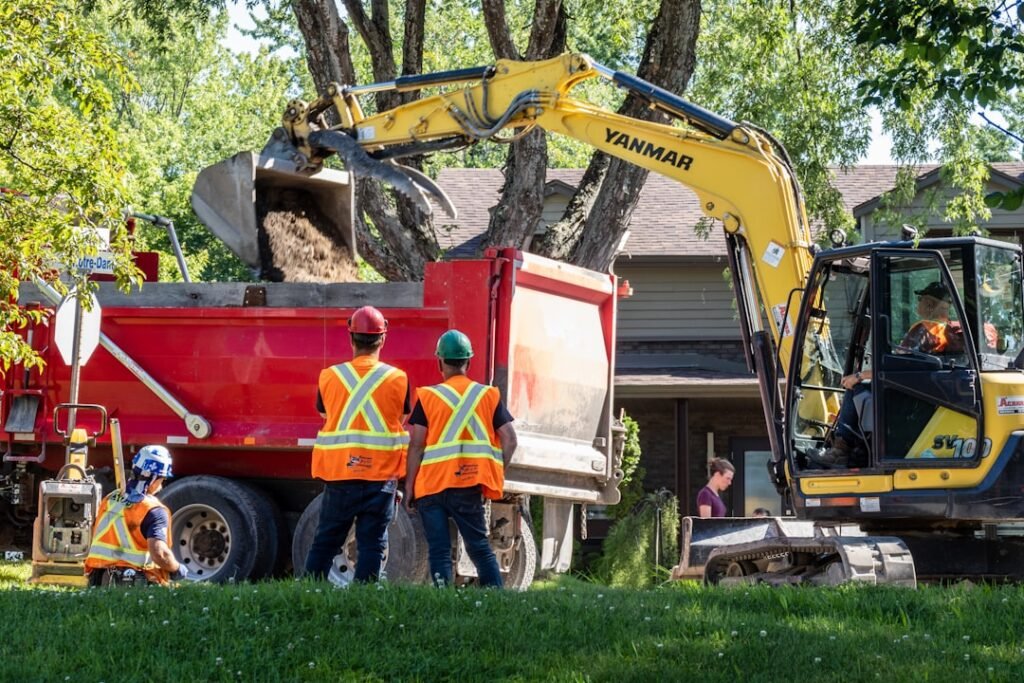
When you embark on a construction or renovation project, one of the most immediate challenges you face is the removal of debris and waste. The sheer volume of materials that accumulate can be overwhelming. From scraps of wood and metal to packaging materials and discarded tools, the remnants of your project can clutter your space and hinder progress.
You may find yourself navigating through piles of debris, which not only obstructs your workflow but also poses a risk to safety. Therefore, establishing a systematic approach to debris removal is essential. To effectively manage waste, consider implementing a plan that includes designated disposal areas and regular clean-up schedules.
You might want to invest in waste bins or containers that can accommodate different types of materials, ensuring that everything is sorted correctly. This not only streamlines the removal process but also promotes recycling and responsible disposal practices. By taking the time to organize your waste removal strategy, you can maintain a cleaner work environment, allowing you to focus on the tasks at hand without the distraction of clutter.
Key Takeaways
- Proper debris and waste removal is essential for maintaining a clean and safe construction site.
- Dust and dirt accumulation can lead to respiratory issues and should be regularly addressed.
- Streaks and smudges on surfaces can affect the overall appearance of the construction site and should be cleaned regularly.
- Residual construction materials should be properly stored and disposed of to prevent hazards and maintain a clean environment.
- Odor and air quality should be monitored and addressed to ensure a healthy work environment for workers.
Dust and Dirt Accumulation
As you work on your project, dust and dirt will inevitably accumulate, creating an uninviting atmosphere. This buildup can be particularly problematic, as it not only affects the aesthetics of your space but also poses health risks. Breathing in dust particles can lead to respiratory issues, especially if you or anyone else in the vicinity has allergies or pre-existing conditions.
Therefore, it’s crucial to address dust accumulation proactively. To combat this issue, consider implementing regular cleaning routines throughout your project. You might find it beneficial to use high-efficiency particulate air (HEPA) filters in your vacuum cleaners and air purifiers to capture fine dust particles effectively.
Additionally, wearing masks while working can help protect you from inhaling harmful dust. By prioritizing cleanliness and air quality, you create a healthier environment for yourself and anyone else involved in the project.
Streaks and Smudges on Surfaces

As you progress with your construction or renovation work, you may notice unsightly streaks and smudges on various surfaces. These imperfections can detract from the overall appearance of your project, making it look unfinished or poorly executed. Whether it’s paint splatters on walls or fingerprints on newly installed fixtures, these blemishes can be frustrating to deal with.
You want your hard work to shine, so addressing these issues promptly is essential. To tackle streaks and smudges effectively, consider using appropriate cleaning solutions tailored to the surfaces you’re working with. For instance, glass cleaners can help restore clarity to windows and mirrors, while specialized surface cleaners can remove grime from countertops and cabinets.
Additionally, using microfiber cloths can prevent scratching while ensuring a streak-free finish. By taking the time to clean surfaces regularly, you’ll enhance the overall appearance of your project and create a polished final result.
Residual Construction Materials
After completing a construction or renovation project, you may find yourself left with residual materials that were not used during the process. These leftover items can range from extra tiles and paint cans to unused fixtures and fittings. While it may be tempting to simply discard these materials, consider the potential benefits of repurposing or recycling them instead.
Not only can this save you money in future projects, but it also contributes to sustainability efforts. You might want to explore local donation centers or community organizations that accept leftover construction materials. Many of these places are eager to receive items that can be reused in other projects or by individuals in need.
Additionally, some materials can be repurposed creatively within your own home, such as using leftover wood for DIY projects or creating unique decor items. By finding new uses for residual materials, you not only reduce waste but also add a personal touch to your space.
Odor and Air Quality
During construction or renovation work, unpleasant odors can permeate the air, making it uncomfortable for you and anyone else in the vicinity. These odors may stem from various sources, including paint fumes, adhesives, or even dust accumulation. Poor air quality can lead to headaches, fatigue, and other health issues, so it’s crucial to address this concern as part of your project management strategy.
To improve air quality and minimize odors, ensure proper ventilation throughout your workspace. Opening windows and using fans can help circulate fresh air and dissipate lingering smells. Additionally, consider using low-VOC (volatile organic compounds) paints and adhesives that emit fewer harmful fumes.
Incorporating air purifiers equipped with activated carbon filters can also help eliminate odors while improving overall air quality. By prioritizing a healthy environment, you create a more pleasant atmosphere for yourself and others involved in the project.
Safety Hazards

Safety should always be a top priority during any construction or renovation project. The presence of debris, dust, and residual materials can create numerous hazards that put you at risk for injury. From tripping over cluttered areas to inhaling harmful particles, it’s essential to remain vigilant about safety protocols throughout the process.
You want to ensure that your workspace is as safe as possible for everyone involved. To mitigate safety hazards, consider conducting regular safety inspections of your work area. Identify potential risks such as uneven surfaces or exposed wires and address them promptly.
Providing personal protective equipment (PPE) such as gloves, goggles, and hard hats can further enhance safety measures. Additionally, educating everyone involved about safe practices and emergency procedures will foster a culture of safety on-site. By prioritizing safety, you not only protect yourself but also create a more efficient working environment.
Proper Disposal of Hazardous Materials
As you navigate through your construction or renovation project, you may encounter hazardous materials that require special handling and disposal methods. Items such as paint thinners, solvents, asbestos-containing materials, or certain types of batteries pose significant risks if not disposed of correctly. It’s crucial to familiarize yourself with local regulations regarding hazardous waste disposal to ensure compliance and safety.
You might want to reach out to local waste management facilities or environmental agencies for guidance on proper disposal methods for hazardous materials. Many communities offer designated drop-off locations for such items or have specific collection days for hazardous waste. By following these guidelines, you not only protect yourself but also contribute to environmental preservation efforts by preventing harmful substances from entering landfills or contaminating water sources.
Time and Cost Constraints
Finally, as you embark on your construction or renovation journey, time and cost constraints will likely play a significant role in your decision-making process. Balancing the desire for quality work with budget limitations can be challenging but is essential for successful project completion. You may find yourself weighing the benefits of investing in high-quality materials against the need to stay within budgetary limits.
To navigate these constraints effectively, consider creating a detailed project plan that outlines timelines and budgets for each phase of the work. This will help you stay organized and focused on your goals while allowing for flexibility when unexpected challenges arise. Additionally, exploring cost-effective alternatives without compromising quality can lead to significant savings over time.
By being strategic about your approach to time and costs, you’ll set yourself up for success while achieving the results you desire in your project.
One common challenge that arises during post-construction cleanup is the disposal of hazardous materials. According to a recent article on