Building with Purpose: Site Preparations Impact on Communities
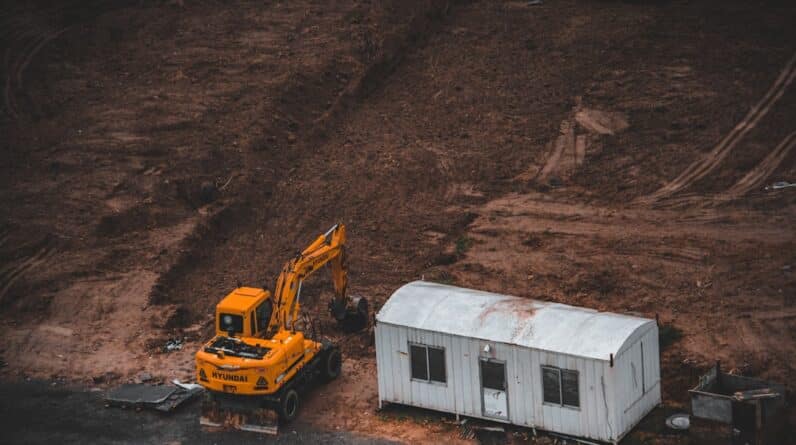
When embarking on any construction or development project, the significance of site preparations cannot be overstated. You may not realize it, but the groundwork laid during this phase sets the tone for the entire project. Proper site preparation involves a series of steps, including land clearing, grading, and soil testing, all of which are crucial for ensuring that the site is suitable for the intended use.
By investing time and resources into thorough site preparations, you can mitigate potential issues that may arise later in the construction process, such as structural instability or drainage problems. Moreover, effective site preparations can enhance the overall efficiency of the project. When you take the time to assess the land and prepare it adequately, you create a solid foundation for construction activities.
This not only streamlines the building process but also helps in adhering to timelines and budgets. You may find that a well-prepared site reduces the likelihood of unexpected delays and additional costs, ultimately leading to a more successful outcome. In essence, site preparations are not merely a preliminary step; they are a critical investment in the future success of any development endeavor.
Key Takeaways
- Proper site preparations are crucial for the success of any construction project
- Site preparations can have significant environmental impacts, including soil erosion and habitat destruction
- Site preparations can bring economic benefits to communities through job creation and increased property values
- Engaging with local communities is essential for successful and sustainable site preparations
- Sustainable site preparation practices can minimize negative impacts on the environment and communities
Environmental Impact of Site Preparations
Disruption of Local Biodiversity
Land clearing, for instance, often leads to habitat destruction, which can displace wildlife and disrupt local biodiversity. Every tree removed and every inch of soil disturbed can have far-reaching consequences for the environment.
Soil Erosion and Water Runoff Issues
When vegetation is removed, the soil becomes more susceptible to erosion by wind and water. This not only affects the immediate area but can also lead to sedimentation in nearby waterways, harming aquatic life and degrading water quality.
Minimizing Negative Effects
It is essential to implement strategies that minimize these negative effects. By doing so, you not only protect the environment but also enhance the sustainability of your project.
Social and Economic Impact on Communities

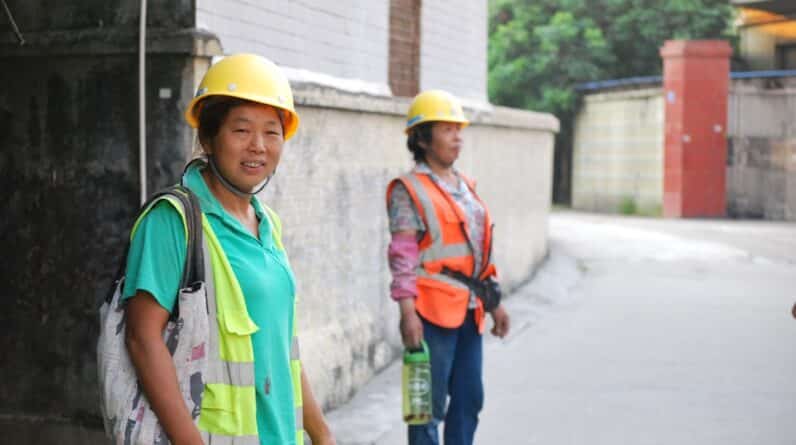
The social and economic ramifications of site preparations extend far beyond the immediate construction site. When you undertake a development project, you are inevitably impacting the surrounding community. For instance, construction activities can create jobs and stimulate local economies, providing employment opportunities for residents.
However, this economic boost can come at a cost. You may find that increased traffic and noise during the preparation phase disrupts daily life for those living nearby. Moreover, the social fabric of a community can be affected by site preparations.
As you clear land and alter landscapes, you may inadvertently displace residents or change the character of neighborhoods. This can lead to tensions between developers and community members who feel their voices are not being heard. It is essential to recognize that while site preparations can bring economic benefits, they also require careful consideration of their social implications.
Balancing these factors is key to fostering positive relationships with the community.
Community Engagement in Site Preparations
Engaging with the community during site preparations is not just a best practice; it is a necessity for successful development. You have an opportunity to build trust and foster collaboration by involving local residents in the planning process. This engagement can take many forms, from public meetings to surveys that gather input on community needs and concerns.
By actively seeking feedback, you demonstrate that you value the perspectives of those who will be most affected by your project. Furthermore, community engagement can lead to more informed decision-making. When you listen to residents’ insights and concerns, you may uncover valuable information that can shape your approach to site preparations.
For example, local knowledge about historical land use or environmental sensitivities can inform your strategies for minimizing impact. By prioritizing community engagement, you not only enhance the legitimacy of your project but also create a sense of ownership among residents, fostering a more harmonious relationship between developers and the community.
Sustainable Site Preparation Practices
In an era where sustainability is paramount, adopting eco-friendly practices during site preparations is essential. You have a responsibility to minimize your project’s environmental footprint while maximizing its benefits. Sustainable site preparation practices include techniques such as selective clearing, which preserves valuable vegetation and habitats while still allowing for necessary construction activities.
By implementing these practices, you contribute to biodiversity conservation and promote ecological balance. Another sustainable approach involves utilizing green infrastructure solutions during site preparations. For instance, incorporating permeable surfaces can help manage stormwater runoff effectively while reducing erosion risks.
You might also consider using recycled materials for construction or implementing erosion control measures that protect soil integrity. By prioritizing sustainability in your site preparations, you not only comply with regulations but also position your project as a forward-thinking initiative that aligns with contemporary environmental values.
Mitigating Negative Impact on Communities

While site preparations are necessary for development, they can also lead to negative consequences for surrounding communities if not managed properly. You must be proactive in identifying potential issues and implementing strategies to mitigate them. For example, noise pollution from heavy machinery can disrupt daily life for nearby residents.
To address this concern, consider scheduling construction activities during less disruptive hours or employing noise-reducing technologies. Traffic congestion is another common issue associated with site preparations. As construction vehicles enter and exit the site, local roads may become congested, affecting commuters and residents alike.
To alleviate this problem, you could develop a traffic management plan that includes designated routes for construction vehicles and clear signage to guide drivers safely around the area. By taking these steps to mitigate negative impacts, you demonstrate your commitment to being a responsible developer who prioritizes community well-being.
Case Studies of Successful Site Preparations
Examining case studies of successful site preparations can provide valuable insights into best practices and innovative approaches. One notable example is a mixed-use development project that prioritized community engagement from the outset. The developers held multiple public meetings to gather input from residents about their needs and concerns.
As a result, they were able to incorporate green spaces and pedestrian-friendly pathways into their design, enhancing both livability and environmental sustainability. Another case study highlights a project that implemented advanced erosion control measures during site preparations. By utilizing silt fences and sediment basins, the developers effectively minimized soil erosion and protected nearby waterways from sedimentation.
This proactive approach not only safeguarded local ecosystems but also garnered positive feedback from community members who appreciated the developers’ commitment to environmental stewardship.
Future Considerations for Site Preparations in Community Building
As you look toward the future of site preparations in community building, several considerations come to mind. First and foremost is the need for adaptability in an ever-changing landscape of regulations and community expectations. You must remain informed about emerging trends in sustainable development and be willing to adjust your practices accordingly.
Additionally, technology will play an increasingly vital role in site preparations moving forward. Innovations such as drone surveying and advanced modeling software can enhance efficiency and accuracy during the preparation phase. By embracing these technologies, you can streamline processes while ensuring compliance with environmental standards.
Ultimately, successful site preparations require a holistic approach that considers environmental sustainability, community engagement, and economic viability. As you navigate this complex landscape, remember that your actions today will shape the communities of tomorrow. By prioritizing responsible practices and fostering collaboration with local residents, you can create developments that not only meet immediate needs but also contribute positively to the long-term health and vitality of communities.
Building with Purpose: Site Preparations Impact on Communities is a crucial aspect of construction projects, as highlighted in the article Transforming Heritage: Adapting Historical Spaces for Contemporary Living. This article discusses the importance of preserving historical sites while adapting them for modern use, showcasing how thoughtful site preparations can positively impact communities and their cultural heritage.
FAQs
What is site preparation?
Site preparation refers to the process of clearing, grading, and leveling land in preparation for construction. This may involve removing trees, rocks, and other obstacles, as well as ensuring proper drainage and soil stability.
How does site preparation impact communities?
Site preparation can have a significant impact on communities in several ways. It can create job opportunities for local residents, stimulate economic growth through increased construction activity, and improve the overall infrastructure of the area.
What are the environmental considerations of site preparation?
Site preparation can have environmental implications, such as habitat disruption, soil erosion, and water pollution. It is important for developers to adhere to environmental regulations and implement sustainable practices to minimize these impacts.
What role does site preparation play in urban development?
Site preparation is a crucial step in urban development, as it sets the foundation for new infrastructure, buildings, and public spaces. Proper site preparation can contribute to the overall livability and functionality of urban areas.
How can site preparation contribute to community engagement?
Site preparation projects provide opportunities for community engagement and input, as they often involve public consultations, environmental assessments, and collaboration with local stakeholders. This can help ensure that the development aligns with the needs and values of the community.