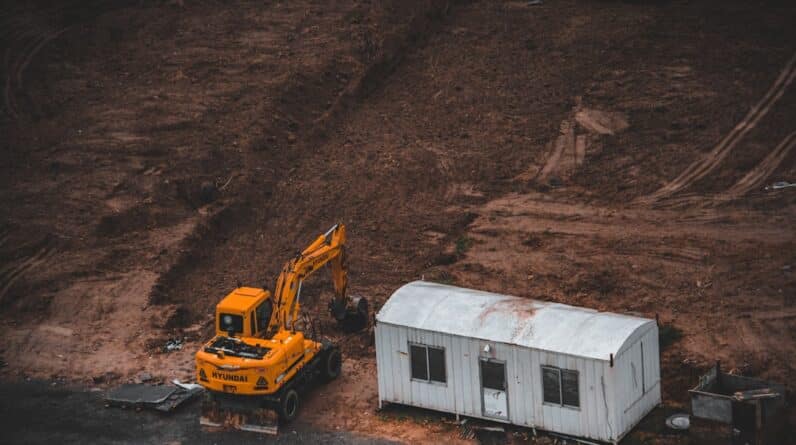
Building on Solid Ground: The Importance of Proper Site Clearing
When embarking on a construction project, the first step often involves site clearing, a process that lays the groundwork for all subsequent activities. You may not realize it, but this initial phase is crucial for ensuring that your project runs smoothly and efficiently. Site clearing involves removing obstacles such as trees, shrubs, rocks, and debris from the land where construction will take place.
By doing so, you create a clean slate that allows for accurate planning and execution of your project.
Without proper site clearing, you risk encountering unforeseen challenges that could delay your timeline and inflate your budget. Moreover, site clearing is not just about making space; it also involves assessing the land for its suitability for construction.
You need to consider factors such as soil quality, drainage patterns, and existing vegetation. By understanding these elements early on, you can make informed decisions about the design and layout of your project. This proactive approach minimizes the likelihood of complications arising later in the construction process, ultimately saving you time and resources.
In essence, site clearing is a foundational step that sets the tone for the entire project.
Key Takeaways
- Site clearing is crucial for preparing the construction site and ensuring a safe and efficient project.
- Site clearing involves the removal of trees, vegetation, and debris to make way for construction activities.
- Environmental considerations in site clearing include protecting wildlife, managing erosion, and preserving natural resources.
- Safety precautions and regulations in site clearing are essential to prevent accidents and ensure compliance with local laws.
- Effective site clearing methods and equipment, along with professional services, can streamline the process and minimize costs.
The Role of Site Clearing in Construction Projects
Site clearing plays a pivotal role in the overall success of construction projects. As you prepare to break ground, you must recognize that this phase is not merely a preliminary task; it is integral to the entire construction process. By removing obstacles and preparing the land, you create an environment conducive to efficient work.
This preparation allows contractors to access the site easily and ensures that heavy machinery can operate without hindrance. When you invest time and effort into thorough site clearing, you are essentially laying the groundwork for a successful build. Additionally, site clearing helps in establishing clear boundaries for your project.
By demarcating the area where construction will occur, you can avoid encroaching on neighboring properties or protected lands. This clarity is essential not only for legal compliance but also for maintaining good relationships with adjacent property owners. You may find that having a well-defined site enhances communication among team members and stakeholders, as everyone understands the scope of work and the designated areas for construction activities.
Environmental Considerations in Site Clearing

As you engage in site clearing, it is vital to consider the environmental impact of your actions. The removal of vegetation and alteration of land can have significant consequences on local ecosystems. You should be aware of the flora and fauna that inhabit the area and take steps to minimize disruption.
For instance, certain species may be protected by law, and their removal could lead to legal repercussions or fines. By conducting an environmental assessment before clearing begins, you can identify sensitive areas and develop strategies to mitigate harm. Furthermore, sustainable practices in site clearing can enhance your project’s reputation and align it with modern environmental standards.
You might consider options such as selective clearing, which involves removing only specific trees or plants while preserving others. This approach not only protects biodiversity but also helps maintain soil integrity and prevents erosion. By prioritizing environmental considerations during site clearing, you demonstrate a commitment to responsible construction practices that can resonate positively with clients and stakeholders alike.
Safety Precautions and Regulations in Site Clearing
Safety should always be at the forefront of your mind when undertaking site clearing activities. The process can be hazardous due to the presence of heavy machinery, sharp tools, and uneven terrain. You must ensure that all workers are equipped with appropriate personal protective equipment (PPE), such as helmets, gloves, and safety goggles.
Additionally, training sessions on safe operating procedures for machinery should be mandatory to minimize accidents on-site. By fostering a culture of safety, you not only protect your workers but also enhance overall productivity. In addition to internal safety measures, you must also adhere to local regulations governing site clearing activities.
These regulations often dictate how land can be cleared, what permits are required, and how waste materials should be disposed of.
Familiarizing yourself with these legal requirements is essential to avoid potential fines or project delays. Engaging with local authorities early in the planning process can provide clarity on what is expected and help you navigate any bureaucratic hurdles that may arise.
Methods and Equipment for Effective Site Clearing
To achieve effective site clearing, you need to employ the right methods and equipment tailored to your specific project needs. Depending on the size and complexity of the site, various techniques may be utilized. For smaller areas, manual clearing methods such as hand tools may suffice; however, for larger sites or those with dense vegetation, heavy machinery like bulldozers or excavators becomes necessary.
Understanding the capabilities of each piece of equipment will allow you to select the most efficient tools for your project. In addition to machinery, innovative technologies such as drones can play a role in site clearing by providing aerial surveys of the land. These surveys can help you assess vegetation density and identify areas that require more intensive clearing efforts.
By combining traditional methods with modern technology, you can streamline the site clearing process and ensure that no detail is overlooked. Ultimately, investing in the right equipment and techniques will enhance efficiency and contribute to a successful construction project.
Cost Considerations in Site Clearing

When planning your construction budget, it is essential to account for the costs associated with site clearing. These expenses can vary significantly based on factors such as site size, location, and complexity of the terrain. You should consider not only the direct costs of labor and equipment but also indirect expenses like permits and environmental assessments.
By conducting a thorough cost analysis upfront, you can avoid unexpected financial burdens later in the project. Additionally, while it may be tempting to cut corners by opting for cheaper methods or equipment, doing so can lead to long-term consequences that outweigh initial savings. Poorly executed site clearing can result in delays or complications during construction, ultimately driving up costs.
Therefore, it is wise to invest adequately in this phase to ensure a solid foundation for your project. By recognizing the importance of budgeting for site clearing, you position yourself for greater success throughout the entire construction process.
The Impact of Proper Site Clearing on Project Success
The success of any construction project hinges significantly on how well the site is cleared before work begins. Proper site clearing not only facilitates smoother operations but also enhances overall project efficiency. When obstacles are removed and the land is prepared correctly, contractors can work more effectively without interruptions or delays caused by unforeseen challenges.
This streamlined workflow contributes to meeting deadlines and staying within budget—two critical factors in any successful project. Moreover, effective site clearing can lead to improved safety outcomes on-site. With a clean and organized workspace free from debris or hazards, workers are less likely to encounter accidents or injuries during construction activities.
This focus on safety not only protects your workforce but also fosters a positive work environment where productivity thrives. Ultimately, investing time and resources into proper site clearing sets a strong foundation for achieving your project goals.
Hiring Professional Site Clearing Services
While some may consider handling site clearing independently, hiring professional services often proves to be a wise investment. Experienced site clearing companies bring specialized knowledge and expertise that can significantly enhance the efficiency of this phase. They understand local regulations, possess advanced equipment, and have trained personnel who can navigate challenges effectively.
By entrusting this task to professionals, you free yourself from potential pitfalls associated with inexperience. Additionally, professional services often have established relationships with local authorities and environmental agencies, which can expedite permit approvals and compliance processes. This advantage allows you to focus on other aspects of your project while ensuring that site clearing is conducted safely and efficiently.
Ultimately, hiring professionals not only saves time but also provides peace of mind knowing that experts are managing this critical phase of your construction project. In conclusion, understanding the importance of site clearing is essential for anyone involved in construction projects. From its role in facilitating smooth operations to its impact on safety and environmental considerations, every aspect of this phase contributes to overall project success.
By recognizing its significance and investing appropriately in professional services and effective methods, you position yourself for a successful build that meets both timelines and budgets while adhering to safety regulations and environmental standards.
Building on Solid Ground: The Importance of Proper Site Clearing emphasizes the significance of preparing the construction site properly before starting any building project. This article highlights the potential risks and challenges that can arise from neglecting this crucial step. For further insights on the importance of proper site preparation, check out this article on home remodeling and repair in Chesapeake, Virginia. It delves into the various aspects of site clearing and how it can impact the overall success of a construction project.
FAQs
What is site clearing?
Site clearing is the process of removing trees, vegetation, rocks, and other obstacles from a piece of land in preparation for construction or development.
Why is proper site clearing important?
Proper site clearing is important because it ensures a level and stable foundation for construction, reduces the risk of erosion and drainage issues, and allows for proper placement of infrastructure such as utilities and roads.
What are the potential consequences of improper site clearing?
Improper site clearing can lead to unstable building foundations, increased risk of erosion and flooding, damage to underground utilities, and environmental damage.
What are the steps involved in proper site clearing?
Proper site clearing involves surveying the land, obtaining necessary permits, removing trees and vegetation, grading the land, and properly disposing of any debris.
Who is responsible for ensuring proper site clearing?
The responsibility for proper site clearing typically falls on the property owner or developer, who may hire a professional site clearing company to carry out the necessary work.
Are there any regulations or guidelines for site clearing?
Yes, there are often local regulations and guidelines that dictate the proper methods for site clearing, including requirements for erosion control and protection of natural resources. It is important to consult with local authorities and environmental agencies before beginning any site clearing activities.