

When you step into a newly constructed or renovated space, the excitement of fresh beginnings often overshadows the potential dangers lurking in the aftermath of construction. Post-construction cleanup is a critical phase that not only enhances the aesthetic appeal of a property but also ensures a safe environment for future occupants. However, this process is fraught with various hazards that can pose significant risks to your health and safety.
Understanding these hazards is essential for anyone involved in the cleanup process, whether you are a contractor, a worker, or even a homeowner preparing to move into a newly built space. The cleanup phase is not merely about removing debris and dust; it involves navigating a landscape filled with potential dangers. From airborne particles to chemical residues, the hazards can be both visible and hidden.
As you engage in post-construction cleanup, it is crucial to recognize these risks and take appropriate measures to protect yourself and others. This article will delve into the various hazards associated with post-construction cleanup, providing insights into respiratory risks, chemical exposures, physical dangers, biological contaminants, and effective mitigation strategies.
Key Takeaways
- Post-construction cleanup poses various health hazards that workers need to be aware of and protected against.
- Dust and debris from construction sites can lead to respiratory issues such as asthma and bronchitis.
- Workers are at risk of chemical exposure from cleaning agents, paints, and other construction materials.
- Physical hazards such as slips, trips, and falls, as well as injuries from handling heavy objects, are common in post-construction cleanup.
- Biological hazards like mold, bacteria, and other contaminants can pose health risks to workers if not properly addressed.
Respiratory Hazards from Dust and Debris
One of the most immediate concerns during post-construction cleanup is the presence of dust and debris that can significantly impact your respiratory health. Construction activities generate a considerable amount of particulate matter, including wood dust, drywall dust, and other fine particles that can linger in the air long after the work has been completed. When you inhale these particles, they can lead to a range of respiratory issues, from mild irritation to more severe conditions such as asthma or chronic obstructive pulmonary disease (COPD).
Moreover, the risk is compounded by the fact that many construction materials contain harmful substances. For instance, asbestos may still be present in older buildings, and its fibers can become airborne during cleanup activities. If you are not aware of these risks or fail to take proper precautions, you could be exposing yourself to serious health threats.
It is essential to use appropriate ventilation methods and air filtration systems to minimize dust accumulation and ensure that the air quality remains safe during the cleanup process.
Chemical Exposure Risks
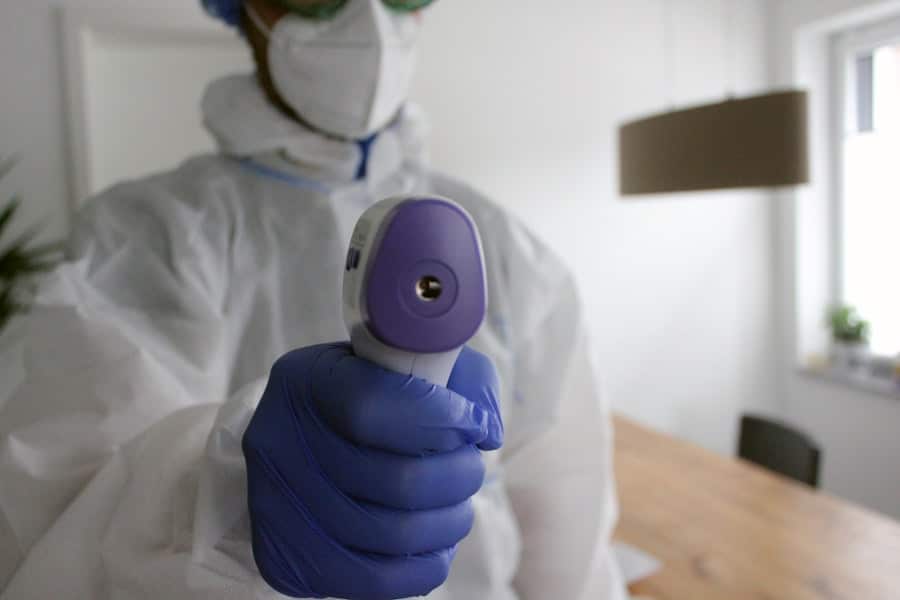
In addition to respiratory hazards, chemical exposure is another significant concern during post-construction cleanup. Various substances used in construction—such as paints, solvents, adhesives, and sealants—can release volatile organic compounds (VOCs) into the air. These chemicals can have both short-term and long-term health effects, including headaches, dizziness, and even damage to vital organs with prolonged exposure.
As you engage in cleanup activities, it is crucial to be aware of the materials you are handling and their potential hazards. Furthermore, improper disposal of construction waste can lead to chemical spills or leaks that pose additional risks. For example, leftover paint or cleaning agents may not only contaminate the environment but also create hazardous conditions for anyone involved in the cleanup.
To mitigate these risks, it is vital to familiarize yourself with Material Safety Data Sheets (MSDS) for any chemicals you encounter and follow proper handling and disposal procedures. By doing so, you can significantly reduce your risk of chemical exposure during post-construction cleanup.
Physical Hazards and Injuries
Physical hazards are an ever-present concern in any construction-related activity, including post-construction cleanup. The environment is often cluttered with sharp objects, heavy materials, and uneven surfaces that can lead to slips, trips, and falls. As you navigate through debris-laden areas, it is essential to remain vigilant and aware of your surroundings to avoid accidents that could result in serious injuries.
Additionally, lifting heavy items or moving bulky materials can lead to musculoskeletal injuries if proper lifting techniques are not employed. You may find yourself straining your back or injuring your joints if you attempt to lift something beyond your capacity without assistance. To minimize these risks, it is advisable to use equipment such as dollies or forklifts when moving heavy objects and to always ask for help when needed.
By prioritizing safety and employing best practices for physical tasks, you can significantly reduce the likelihood of injuries during post-construction cleanup.
Biological Hazards and Contaminants
Biological hazards are another critical aspect of post-construction cleanup that should not be overlooked. Construction sites can harbor various biological contaminants such as mold, bacteria, and pests that thrive in damp or neglected areas. If you encounter water damage or leaks during the cleanup process, mold growth may already be present, posing serious health risks if inhaled or touched.
Mold spores can trigger allergic reactions and respiratory issues, making it imperative to address any signs of mold promptly. In addition to mold, pests such as rodents or insects may have taken up residence in the construction area before or during the cleanup phase. These pests can carry diseases that pose health risks to humans.
It is essential to conduct a thorough inspection of the area for any signs of infestation and take appropriate measures to eliminate these biological hazards before proceeding with cleanup activities. By being proactive about identifying and addressing biological contaminants, you can create a safer environment for yourself and others involved in the post-construction process.
Mitigation Strategies for Health Hazards
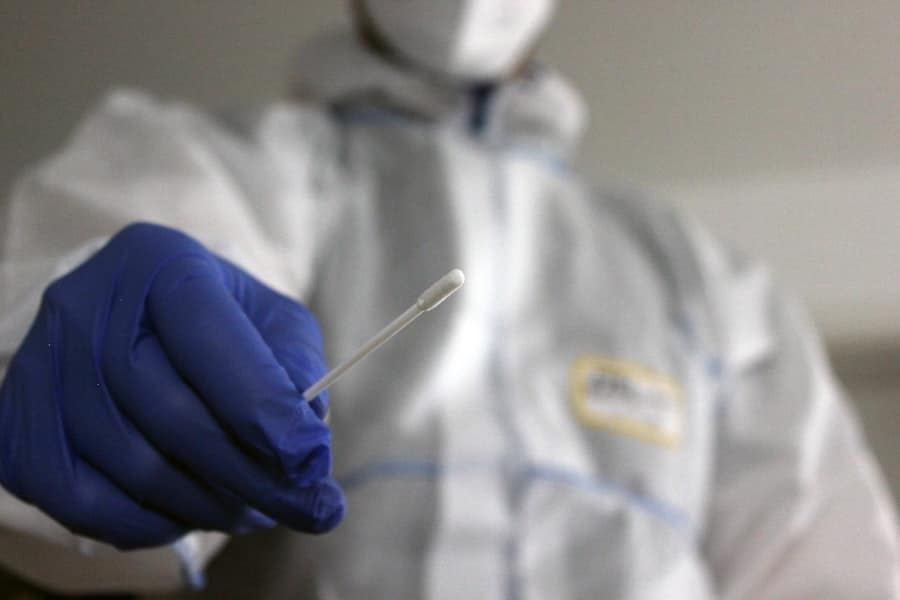
To effectively manage the various health hazards associated with post-construction cleanup, implementing robust mitigation strategies is essential. One of the first steps you should take is conducting a comprehensive risk assessment of the site before beginning any cleanup activities. This assessment will help you identify potential hazards specific to the location and inform your approach to safety measures.
Once you have identified the risks, developing a detailed plan that outlines specific actions to mitigate those hazards is crucial. This plan should include strategies for controlling dust emissions through proper ventilation and air filtration systems, as well as guidelines for safely handling chemicals and disposing of hazardous materials. Additionally, establishing clear protocols for addressing biological hazards—such as mold remediation—will further enhance safety during the cleanup process.
Personal Protective Equipment (PPE) and Safety Measures
Personal protective equipment (PPE) plays a vital role in safeguarding your health during post-construction cleanup activities. Depending on the specific hazards present at the site, appropriate PPE may include respirators, gloves, goggles, hard hats, and steel-toed boots. Wearing this equipment not only protects you from immediate dangers but also serves as a reminder to prioritize safety throughout the cleanup process.
In addition to PPE, implementing safety measures such as maintaining clear pathways for movement and ensuring adequate lighting can further reduce risks associated with physical hazards. Regularly inspecting your equipment and tools for wear or damage will also help prevent accidents caused by malfunctioning gear. By combining proper PPE usage with proactive safety measures, you can create a safer working environment during post-construction cleanup.
Training and Education for Post-Construction Cleanup Personnel
Finally, one of the most effective ways to ensure safety during post-construction cleanup is through comprehensive training and education for all personnel involved in the process. Providing workers with information about potential hazards and safe practices will empower them to make informed decisions while performing their tasks. Training should cover topics such as recognizing respiratory risks from dust exposure, understanding chemical safety protocols, and identifying biological contaminants.
Moreover, ongoing education is essential for keeping everyone updated on best practices and new regulations related to construction safety. Regular safety meetings can serve as an opportunity for workers to share experiences and discuss challenges they may face during cleanup activities. By fostering a culture of safety through training and education, you can significantly enhance the overall well-being of everyone involved in post-construction cleanup.
In conclusion, while post-construction cleanup is an essential step in preparing a space for occupancy, it comes with its own set of hazards that must be addressed proactively. By understanding respiratory risks from dust and debris, chemical exposure dangers, physical hazards leading to injuries, biological contaminants lurking in hidden corners, and implementing effective mitigation strategies alongside proper PPE usage and training programs, you can create a safer environment for yourself and others involved in this critical phase of construction work. Prioritizing safety not only protects your health but also contributes to a successful transition into a newly constructed space.
When considering the potential health hazards associated with post-construction cleanup, it is important to also focus on sustainable weatherproofing in historical renovations. This article from Better Home Contractor discusses the importance of using environmentally friendly materials and techniques to protect historical buildings from the elements. By incorporating these sustainable practices into construction projects, contractors can help mitigate health hazards during cleanup and ensure the long-term preservation of historical structures.
FAQs
What are the potential health hazards associated with post-construction cleanup?
Potential health hazards associated with post-construction cleanup include exposure to dust, debris, and hazardous materials such as lead, asbestos, and mold. These can lead to respiratory issues, skin irritation, and other health problems if proper precautions are not taken.
How can these health hazards be mitigated during post-construction cleanup?
To mitigate health hazards during post-construction cleanup, it is important to use personal protective equipment such as masks, gloves, and goggles. Proper ventilation and dust control measures should be implemented, and workers should be trained on handling hazardous materials safely. It is also important to conduct thorough inspections and testing for hazardous substances before beginning cleanup activities.


